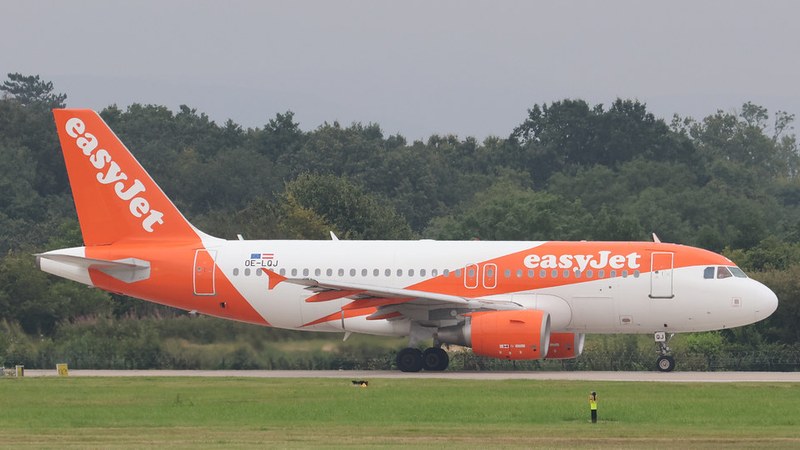
Europe experienced significant flight disruptions on July 19, 2026, with a total of 2,448 flight delays and 85 cancellations across major airports in countries including France, Germany, Spain, the Netherlands, the United Kingdom, Austria, Switzerland, Denmark, Ireland, and Iceland.
Delays and Cancellations Concentrated at Major European Hubs
Frankfurt Airport reported the highest level of disruption, recording 283 delayed flights and 5 cancellations. Paris Charles de Gaulle followed with 255 delays and 10 cancellations, while Zurich Airport logged 247 delays and 10 cancellations. Vienna Airport experienced 243 delays and 7 cancellations. London Heathrow faced 268 delays and 10 cancellations, marking it as one of the most affected airports on
the continent.
Lufthansa accounted for the largest share of delayed flights at Frankfurt. At Paris Charles de Gaulle, Air France faced the most operational issues. Swiss was the primary airline affected in Zurich, and Austrian Airlines carried the majority of delays at Vienna. British Airways was the most disrupted carrier at London Heathrow.
Austrian Airlines Leads Carrier Disruptions; United Records Most Cancellations
Austrian Airlines faced 153 delayed flights and 8 cancellations, the highest figures among all airlines operating across the affected European airports. This disruption was driven by extensive delays at Vienna and other impacts at Zurich. British Airways recorded 139 delayed flights and 4 cancellations, largely at London
Heathrow. Air France had 125 delays and 3 cancellations, mainly at Paris Charles de Gaulle.
United Airlines recorded the largest number of cancellations at 15, affecting flights across several airports including London Heathrow, Paris, Zurich, Frankfurt, Dublin, Edinburgh, and Keflavik.
Operational Challenges and Geopolitical Tensions Drive Disruptions
The widespread delays and cancellations resulted from operational challenges intensified by the high summer travel demand. The interconnected nature of major European hubs like Frankfurt, London, Paris, and Vienna caused local issues to cascade across the continent’s flight network.
Heightened security concerns and altered airspace management decisions linked to escalating US-Iran tensions contributed additional pressure. On July 17, 2026, an
Iranian missile and drone strike targeted a US base in Jordan, leading to American airstrikes in response. The resulting volatility affected European aviation operations with cautious airline planning and increased security measures.
Passenger Impact and Affected Routes
Passengers departing from or transiting through major European hubs such as London Heathrow, Paris Charles de Gaulle, Frankfurt, Madrid, Barcelona, Amsterdam, Vienna, Zurich, Dublin, Berlin, Copenhagen, Edinburgh, and Reykjavik encountered delays and cancellations. Airlines including Austrian Airlines, British Airways, Air France, Lufthansa, Ryanair, easyJet, KLM, Swiss, United Airlines, and Iberia faced operational challenges that disrupted connecting flights across extensive networks.
Data Source and Industry Strain
Flight data compiled at 1:00 pm Eastern Time
on July 19, 2026, by FlightAware provided the basis for these statistics. The data reveals that Europe’s aviation network is under considerable strain from thousands of delayed flights affecting busy hub cities during the summer peak travel season. The combination of operational challenges and ongoing geopolitical volatility continues to challenge airline schedules and airport capacities.