Florida’s tourism industry generated an estimated $134 billion in economic impact in 2025, supported by a record 143 million visitors, according to Governor Ron DeSantis. This represents an increase of about 38 million visitors from approximately 105 million in 2015, marking a decade of substantial growth for the Sunshine State’s tourism sector.
DeSantis Highlights Florida as Top U.S. Tourist Destination and Economic Driver
Speaking at the 2026 Governor’s Conference on Tourism in West Palm Beach, Governor DeSantis affirmed Florida’s position as the leading tourist destination in the United States, stating, “I’m excited to say that Florida is and remains and will continue to be the number one tourist destination in these
United States.” He emphasized tourism’s crucial role in supporting Florida’s state budget through significant sales and tourism-related tax revenues generated by visitors and seasonal residents.
DeSantis noted that a considerable percentage of Florida’s sales tax revenue comes from non-residents, reducing the tax burden on Florida residents. He credited this revenue stream as foundational for the state’s ongoing budget reductions over four consecutive years, a quadrupled rainy-day fund, and the repayment of 52% of Florida’s historical state debt during his tenure.
Florida Regions and Attractions Fuel Diversified Tourism Growth
Besides the globally recognized theme parks in Central Florida, major investments by Universal Orlando and Disney continue expanding the region’s
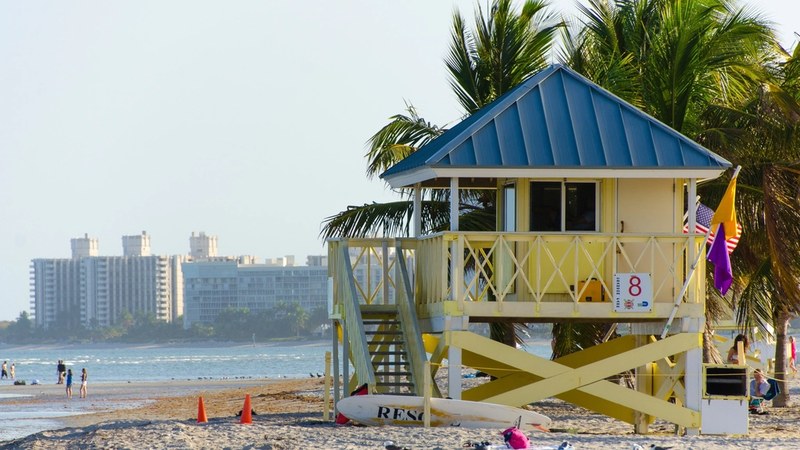
attraction portfolio. Governor DeSantis highlighted Florida’s beaches, stretching from Northwest Florida to South Florida, as key drivers of tourism. He praised the sugar-white sand beaches of Northwest Florida, including the Panhandle and 30A area, as significant pandemic-era travel destinations.
Communities such as Bradenton, Sarasota, Naples, Fort Myers, and Mexico Beach—a community recovering from Hurricane Michael in 2018—have drawn new investment and increased visitor interest. Florida’s fishing, boating, and cruise industries also contribute prominently to its tourism economy, extending the state’s appeal beyond traditional theme park offerings.
State COVID-19 Policies and Major Events Supported Rapid Tourism Recovery
Governor DeSantis attributed the swift rebound of Florida’s tourism sector in part to the
state’s decision not to impose statewide beach closures during the early COVID-19 period. Locations including Daytona Beach and parts of Brevard County kept beaches open, attracting visitors and supporting local businesses when many destinations remained closed nationwide.
DeSantis highlighted his direct outreach to UFC President Dana White, encouraging events to be held in Florida during the pandemic, resulting in UFC events hosted in Jacksonville. Alongside UFC, Florida resumed hosting major sporting events including golf tournaments, NASCAR races, Major League Baseball activities, the NBA bubble, and WWE matches.
Florida has also attracted marquee international sporting and cultural events such as two
Super Bowls, two college football national championships, the Daytona 500, Formula One racing, and Art Basel in Miami, reinforcing its tourism momentum.
Environmental Investments Reinforce Tourism and Fiscal Strength
The state has invested nearly $10 billion in Everglades restoration during Governor DeSantis’s administration, aiming to improve water quality and natural habitats. DeSantis linked these efforts to tourism by highlighting how cleaner waterways support boating and fishing activities while mitigating harmful algae outbreaks that had previously affected visitor experiences.
Florida’s thriving tourism economy has enabled substantial tax reductions approaching $10 billion over eight years, including eliminating the commercial rent tax and providing exemptions for family and recreational purchases.
The state is preparing for Amendment 3, projected to be the largest property-tax cut in Florida’s history for homesteaded homeowners.
Governor DeSantis connected tourism revenue to the state’s financial health, stating, “We’re able to do that because we have a strong economic base.” Despite various economic and geopolitical challenges in 2026, Florida’s tourism sector remains on pace nearly equal to its record-setting 2025 performance.