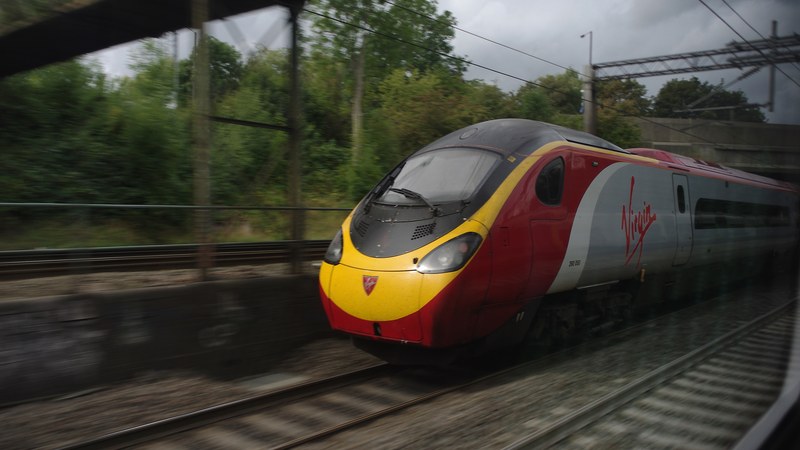
On Thursday, 14 August 2026, a train operated by Southern Rail derailed near Lewes in East Sussex, causing serious injuries to two passengers and lesser injuries to an additional 18. The 14:24 BST service from London Victoria to Eastbourne, carrying around 150 people, had three carriages come off the tracks. All individuals injured were confirmed to have no life-threatening injuries. Passengers were evacuated onto the railway track following the derailment, amid reports of panic and fear.
Rail Services Suspended and Alternative Travel Arrangements
Following the derailment, rail services between Haywards Heath and Lewes have been closed indefinitely. Trains running between London Victoria and Eastbourne were cancelled for
the weekend spanning 14-16 August 2026. Stations at Cooksbridge and Plumpton were not served during this period, with rail replacement buses operating to provide alternative routes. Passengers traveling to Eastbourne were advised to route their journeys via Brighton along the coast. Southern Rail urged commuters to monitor its website for updates, particularly for travel plans on Monday.
Ongoing Investigations and Recovery Efforts
The Rail Accident Investigation Branch (RAIB) deployed investigators to the Lewes derailment site to collect evidence. Their work includes examining railway infrastructure, reviewing CCTV footage, analysing signalling data, and assessing train records. Emergency responders and Network Rail operations are managing the scene from
a command centre near the site, using cranes to remove the derailed carriages. RAIB anticipates providing an update on the investigation next week. A separate derailment involving a Greater Anglia train near Wickford, Essex, occurred on the following day.
Statements from Rail Authorities and Local Officials
Martin Frobisher, Network Rail’s safety director, confirmed that the track section involved had been inspected the day prior to the incident. However, he indicated that it is too early to conclude the cause of the derailment. Speed restrictions were not in place at the time of the accident. John Whitehouse, CEO of Greater Thameslink Railway, which operates Southern Rail, stated that
“accidents of this nature are incredibly rare, and the railway is incredibly safe.” Whitehouse noted that a robust inspection regime exists during hot weather, and speed reductions are applied if necessary, although none were enforced in this case.
Lewes District Council’s deputy leader, Christine Robinson, commended the swift and coordinated response of emergency services, particularly the East Sussex Fire & Rescue Service. The British Transport Police have appealed for any passengers on the derailed train who have not yet spoken to police to come forward.
Passenger Accounts of the Derailment
Passengers described terrifying moments during the derailment. Rachel Heath recounted the train’s violent movements and
widespread panic, saying, “I just remember looking around and seeing so much panic and fear in so many people’s eyes.” She described the carriage as “almost lifted into the air before it came back down and fell on to its side,” believing she might die during the incident. Tracy McGregor compared the derailment to “a metal tube carving through the earth, picking up dirt from the field,” noting that after the train stopped, “there was this almighty cloud of mud and earth and everyone had mud on their faces.”
Investigations Focus on Track Conditions and Heat Effects
Investigators are reviewing whether hot weather conditions affected the rail infrastructure,
including the possibility of track buckling, as photos of the site show potential buckling of the railway line. Network Rail’s safety director emphasized that it is too soon to determine if heat contributed to the derailment. Richard Wilcock, industry editor at Rail Magazine, observed that images appear to show “clearly a buckled track.” BBC transport correspondent Katy Austin noted that while heat can influence railway tracks, no confirmation exists that this was a factor in the Lewes derailment.