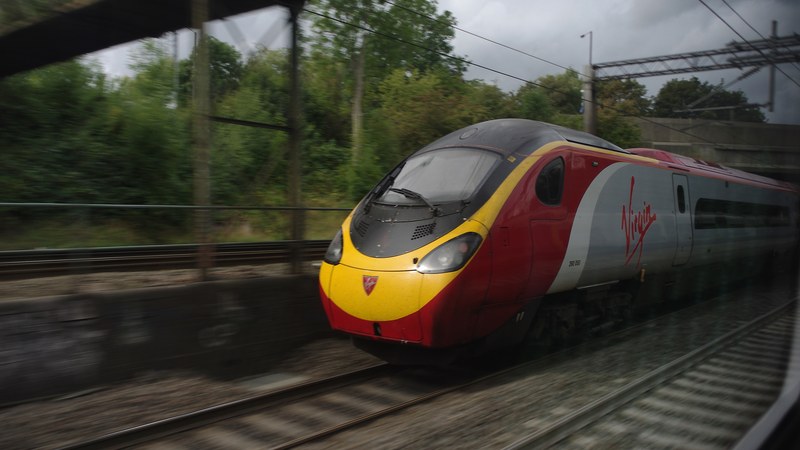
The Office of Rail & Road (ORR) announced on 8 October 2026 that it has rejected applications to introduce new passenger train services on the West Coast Main Line. The applications came from Wrexham, Shropshire & Midlands Railway (WSMR), Lumo NW, operated by FirstGroup, and Avanti West Coast. The proposals sought to launch services on the London Euston to Wrexham, Rochdale, and Blackpool routes, respectively.
Applicants, Proposed Routes, and Legislative Context
WSMR proposed running five daily return trains between Wrexham General and London Euston. Lumo NW sought approval for up to four weekday and Saturday return services plus three on Sundays between Rochdale and London Euston.
Avanti West Coast requested permission to add more trains between Blackpool and London Euston. These applications were submitted under Sections 17 and 22A of the Railways Act 1993 after the applicants failed to reach agreement with Network Rail. Network Rail opposed the Lumo and WSMR applications under Section 17 and raised concerns about Avanti West Coast’s proposals under Section 22A.
Capacity Constraints and Performance Risks
The ORR’s rejection was based on detailed analysis showing insufficient capacity on the West Coast Main Line, particularly the southern section. The regulator concluded that adding new services would reduce timetable resilience by encroaching on recovery margins currently built into
the schedule. ORR warned this would increase the risk of delays spreading across the network and negatively impact overall reliability. Economic factors were reviewed but did not influence the decision, which was driven by capacity and performance considerations.
Previous Decisions and External Review
This decision follows a similar rejection of applications involving WSMR, Lumo NW, and Virgin Trains in July 2025. An external review commissioned by ORR confirmed that network capacity and operational performance had not materially improved since then, reinforcing the regulator’s stance against adding further services at this time.
Official Statements from ORR and Stakeholders
Stephanie Tobyn, ORR’s Director of Strategy, Policy & Reform, said, “New services, destinations and
greater choice can bring real benefits for passengers and communities. But the West Coast Main Line is already under significant pressure, with performance reflecting limited resilience on a heavily used part of the rail network. Our detailed analysis has shown that adding more trains to the current timetable would reduce the ability to recover when disruption occurs, increasing the risk of delays spreading and making reliability of the network worse for all passengers.”
WSMR, supported by Alstom and consultancy SLC, expressed disappointment following approximately 2½ years of effort addressing statutory concerns. A WSMR spokesperson said they had received strong local
support from communities, businesses, councillors, and MPs. They added, “WSMR would have unlocked much-needed educational, leisure and work opportunities for communities.”
Shrewsbury Labour MP Julia Buckley called the decision “a setback” after estimating the proposed service could add £9 million annually to the regional economy. She confirmed that campaigning would continue and said, “I now look forward to working with the Department for Transport to find a way under Great British Railways nationalisation to restore this vital connection and other potential routes.”
FirstGroup, parent company of Lumo, is reviewing next steps after revising its proposal following initial feedback. A company
spokesperson stated the plan demonstrated strong economic benefits, greater choice, lower fares, and opportunities for growth across Manchester and the northwest. They added open access services “have an important role to play in improving connectivity, attracting more people to rail and supporting economic development, all at no cost to the public purse.”
Avanti West Coast declined to comment on the rejection, referring to the ORR’s decision letter as their official statement.
Impact on Passengers and Current Services
The ORR did approve Avanti West Coast’s existing 19:29 weekday route from Chester to London Euston to carry passengers. This service runs currently as a fully crewed empty move,
meaning approval does not add more trains to the timetable. No other new services will begin, preserving current levels of traffic on the West Coast Main Line to maintain timetable stability and reduce the risk of delays affecting passengers.
Industry Context and Regulatory Duty
ORR reiterated its support for open access services in principle as part of its statutory duty to promote competition for the benefit of rail users. However, the regulator emphasized that capacity constraints and the need to maintain performance on the heavily used West Coast Main Line take precedence in decisions to protect network reliability. Network Rail’s opposition to several applications highlighted
operational concerns that shaped the application outcomes.