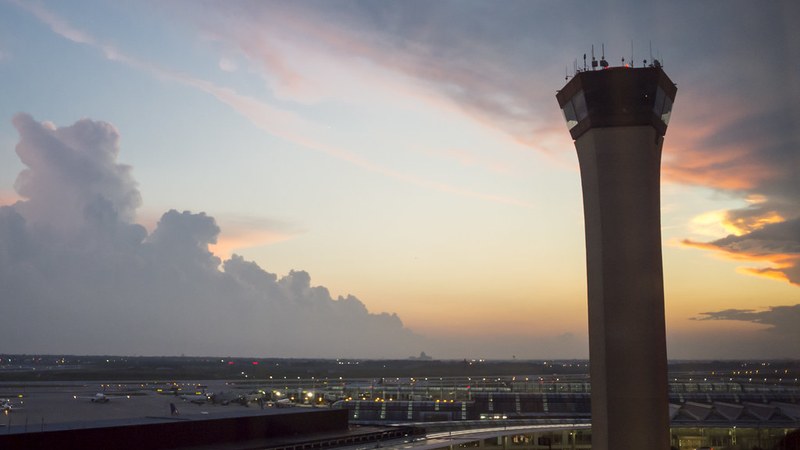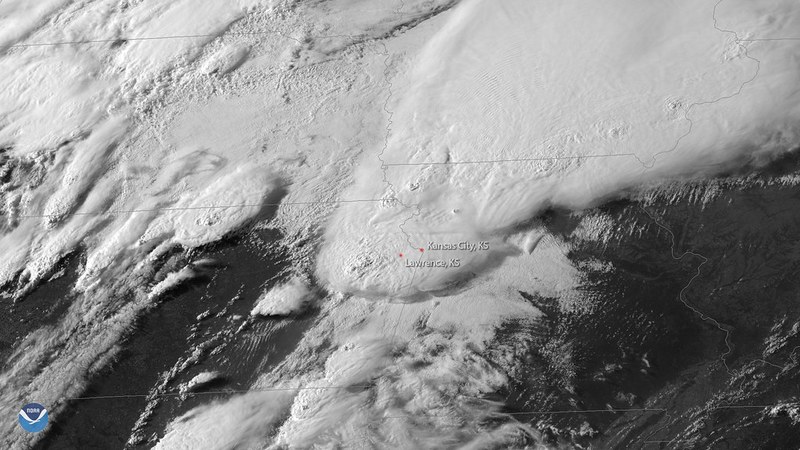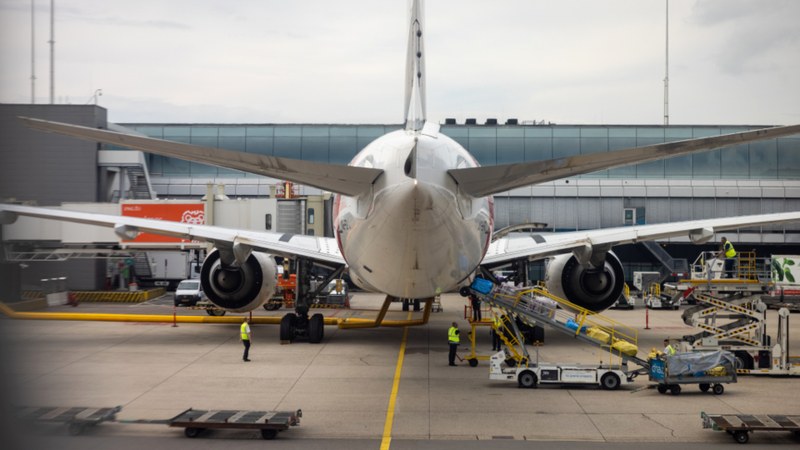
The Federal Aviation Administration (FAA) implemented a temporary ground stop at Hartsfield-Jackson Atlanta International Airport on July 12, 2026, due to thunderstorms moving across metro Atlanta and central Georgia. The restriction began Saturday afternoon and was expected to last at least until 5 p.m. Eastern as severe storms swept through the region.
Flight Operations Paused for Departures, Arrivals Continue
Departures from Hartsfield-Jackson were suspended, while arriving flights already en route to the airport were generally permitted to land. The ground stop applied to flights destined for Atlanta, leaving some planes held at their origin airports until weather conditions improved. This pause generated a backlog on the ground
that impacted airline schedules and led to downstream delays throughout carrier networks.
Flight tracking sources reported over 900 delays impacting Atlanta-area flights as of about 1 p.m., with average delays around 40 minutes and some lasting as long as 75 minutes. Airlines rebooked affected passengers on later flights or alternative routes through other hubs to alleviate the disruption.
FAA Use of Ground Stops to Manage Unsafe Weather Conditions
The FAA applies ground stops as a traffic management tool when weather conditions reduce airport and airspace capacity or pose safety concerns. Thunderstorms produce hazards including lightning, turbulence, wind shear, and rapid changes in cloud formations that compromise flight safety and restrict
traffic flow through narrow approach and departure corridors at busy hubs such as Atlanta.
By halting new departures bound for affected airports, the FAA aligns outbound flight volume with reduced operational capacity, avoiding congestion and extensive holding patterns in hazardous airspace. Ground stops are generally short-term and adjusted based on radar, lightning detection, and pilot reports. After storms move away, the FAA typically transitions to metered arrivals or ground delay programs to gradually restore normal flow.
Passenger Delays, Missed Connections, and Rebooking Challenges
The ground stop during a peak summer travel weekend caused significant scheduling challenges. Aircraft and crews were delayed, leading to missed connections especially affecting
travelers heading to smaller Southeast and Midwest cities that depend on Atlanta as a primary gateway.
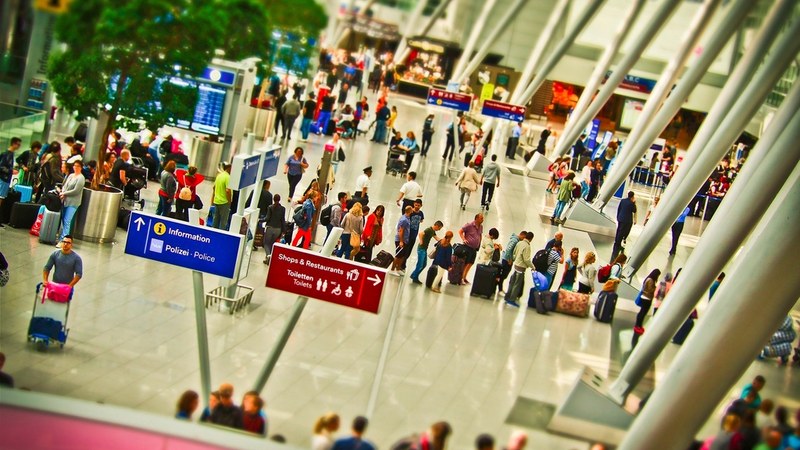
Passengers faced long waits in airport concourses and at customer service desks, often requiring rebooking. Crowded conditions and extended delays at both Hartsfield-Jackson and outlying airports affected traveler experiences. Some airlines offered same-day changes through digital platforms to reduce customer service lines.
Weather Forecasts and Regional Impact
The National Weather Service forecasted persistent hot, humid conditions with daily opportunities for scattered to severe thunderstorms across the Atlanta region through the weekend. A thunderstorm watch covered multiple eastern Georgia counties, including Baker, Berrien, Brooks, and several others, until 9 p.m.
on July 12, 2026.
Similar convective weather disrupted operations at other major eastern U.S. hubs this week, triggering temporary ground stops and arrival management programs. Aviation experts expect intermittent flow restrictions will continue in Southeast airspace, making real-time monitoring of flight status essential during storm-prone periods.