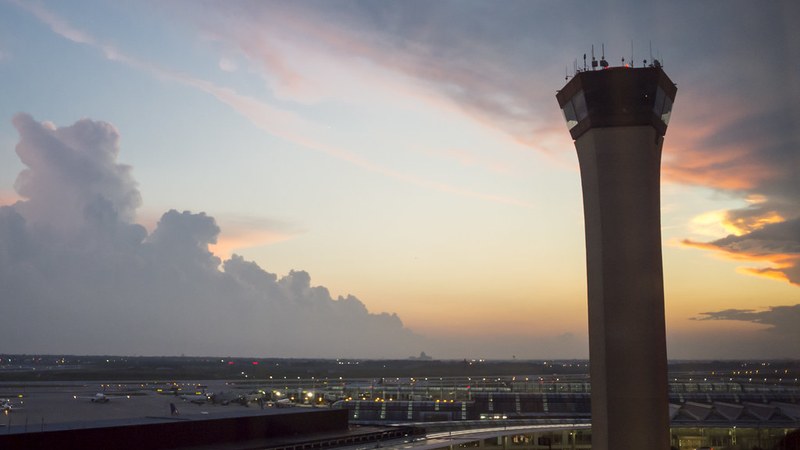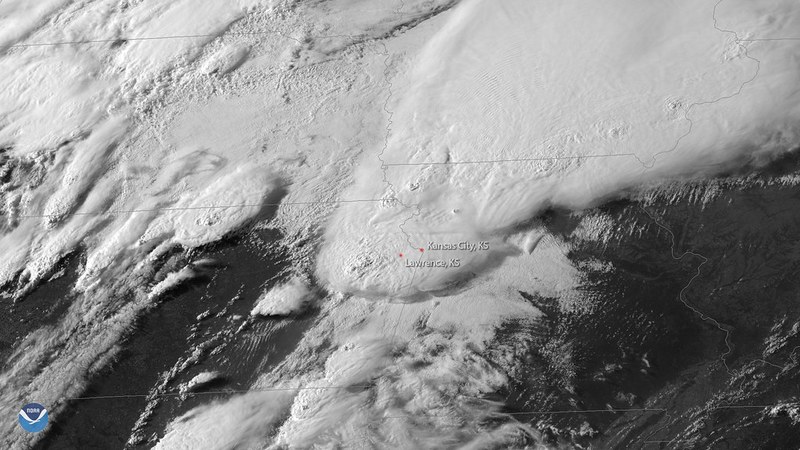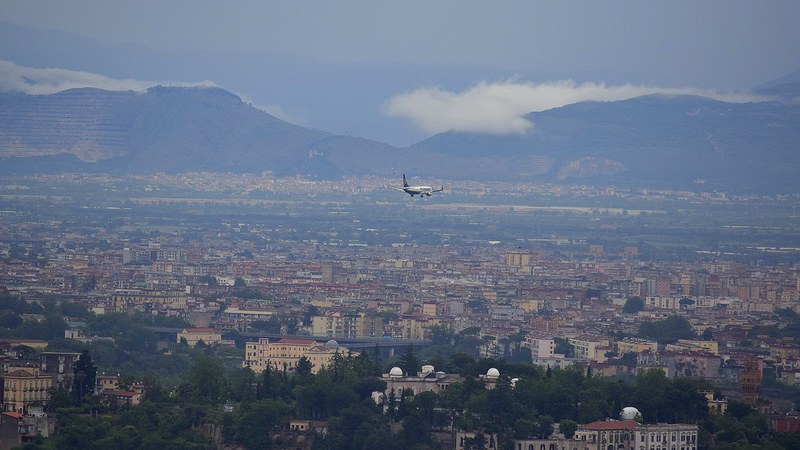
The Federal Aviation Administration (FAA) imposed a temporary ground stop at Hartsfield-Jackson Atlanta International Airport on Saturday, July 12, due to thunderstorms affecting the metro Atlanta and central Georgia regions. The ground stop halted all new departures to the airport during the afternoon, with an expected end time of at least 5 p.m. Eastern.
While arrivals already en route to Hartsfield-Jackson were generally permitted to land, the pause on new departures created a significant backlog of flights on the ground and throughout airline networks. This led to congestion in airport taxiways and gates once the ground stop was lifted.
Flight Delays, Cancellations, and Passenger Impact
More
than 900 flight delays were reported as of approximately 1 p.m. Eastern, with average delays lasting 40 minutes and some reaching 75 minutes. Airlines experienced mounting disruptions on routes involving Atlanta, including scattered cancellations. Several carriers rebooked passengers onto later flights or rerouted them through other eastern U.S. hubs.
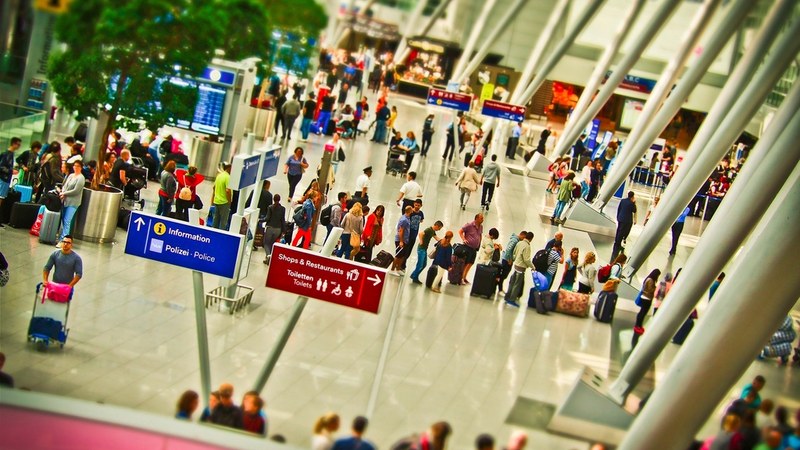
Travelers faced long waits in airport concourses and at outlying airports, with many missing connections to smaller cities in the Southeast and Midwest dependent on Atlanta as their primary gateway. After the ground stop was lifted, ongoing congestion and aircraft and crew repositioning challenges prolonged flight disruptions.
FAA Ground Stops as a Safety Measure During Thunderstorms
The FAA uses ground
stops to manage air traffic when conditions at an airport or in the surrounding airspace become unsafe or severely constrained. Thunderstorms over Atlanta reduced sector capacity by affecting arrival and departure corridors that funnel hundreds of daily flights into the airport.
The ground stop aligned inbound traffic flow with this diminished capacity, preventing aircraft from being routed into hazardous weather or forced into extended holding patterns. Ground stops ease the workload on air traffic controllers by temporarily halting departures until radar and lightning data indicate conditions have improved sufficiently.
Regional Weather Conditions and Effects on Air Traffic
The thunderstorms that prompted the ground stop developed over metro Atlanta
and central Georgia counties, which were under a severe thunderstorm watch until 9 p.m. These storms are typical for mid-summer in the Southeast, characterized by hot, humid conditions favorable to scattered strong thunderstorms producing lightning, wind shear, and turbulence.
Convective weather in key arrival and departure paths reduces safe handling capacity as flights must be rerouted around storm cells. Similar thunderstorm patterns have caused rolling disruptions in several eastern U.S. major airports during peak travel periods this week.
Travel and Airline Response to Thunderstorm Delays
Due to the ongoing storm threat, airlines have implemented rebooking policies allowing free same-day changes to affected passenger itineraries. Travelers passing through
Hartsfield-Jackson during frequent thunderstorm activity are advised to monitor flight status using airline apps for early notifications of delays or ground stops.
Building additional connection time during summer travel through the Southeast is recommended to mitigate missed flights caused by sudden ground stops. Customer service desks experienced heavy demand as passengers sought to adjust plans amid disrupted schedules.