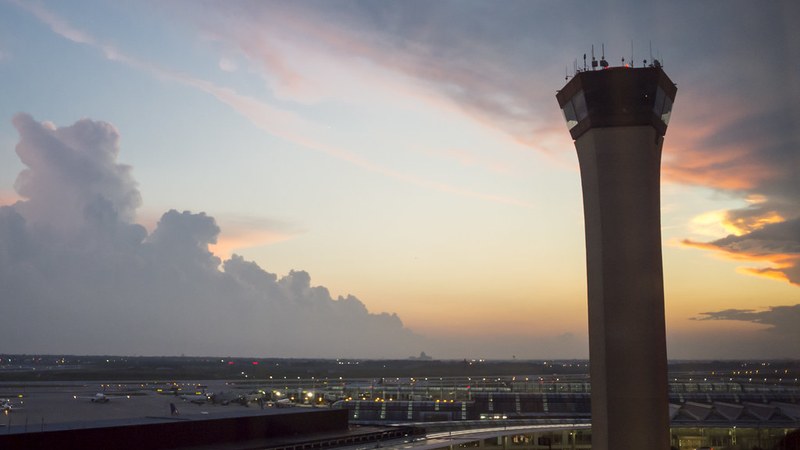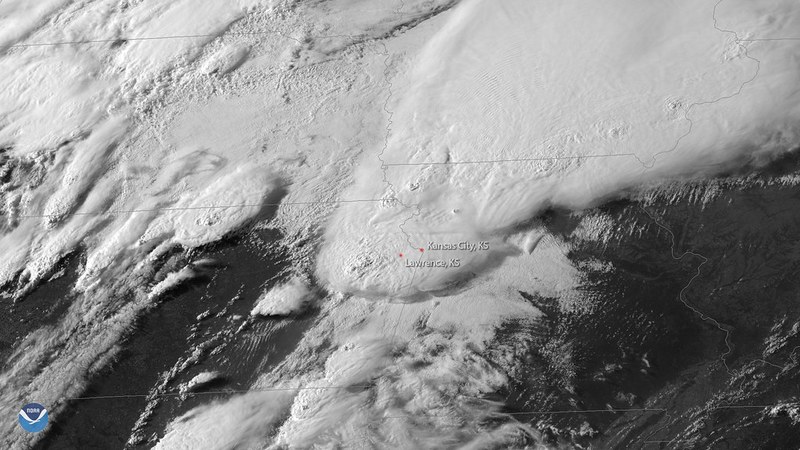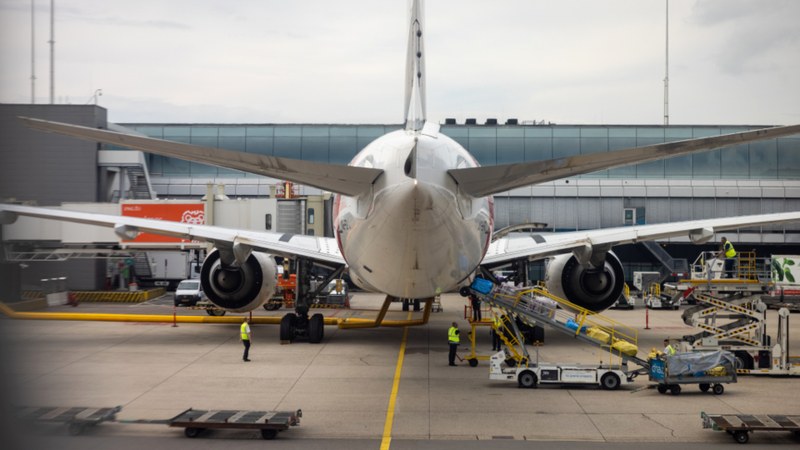
The Federal Aviation Administration imposed a temporary ground stop at Hartsfield-Jackson Atlanta International Airport on July 12, 2026, due to thunderstorms moving through the Atlanta area. The ground stop began Saturday afternoon and extended into the late afternoon, with some sources indicating it could last until at least 5 p.m. Eastern.
Thunderstorms Trigger Flight Halts and Network Delays
The ground stop paused departures from Hartsfield-Jackson while flights already en route to the airport were generally allowed to continue. This measure kept some aircraft parked at their origin airports and created a backlog on the ground. The pause in departures disrupted airline networks, leading to mounting delays and
scattered cancellations affecting routes connected to Atlanta.
Published airline status pages showed that carriers rebooked passengers on later flights or routed them through other hubs to accommodate the disruptions. The interruptions resulted in missed connections, particularly for smaller Southeast and Midwest cities relying on Atlanta as their primary gateway.
FAA Uses Ground Stops to Manage Traffic Flow in Hazardous Weather
The FAA employs ground stops to manage air traffic safely when conditions at or near the airport become unsafe or severely constrained. Thunderstorms with strong updrafts, downdrafts, wind shear, hail, and lightning near flight paths reduce the number of aircraft controllers can handle safely. These storms affect the narrow approach and
departure corridors into Hartsfield-Jackson, a primary connecting hub for domestic and international flights.
Ground stops prevent congested airspace and reduce risks of extended holding patterns near hazardous weather. The FAA adjusts ground stop status as radar, lightning data, and pilot reports show improvements, transitioning to metered arrivals or ground delay programs once storms weaken or move away.
Passenger Impact: Long Waits and Extended Delays
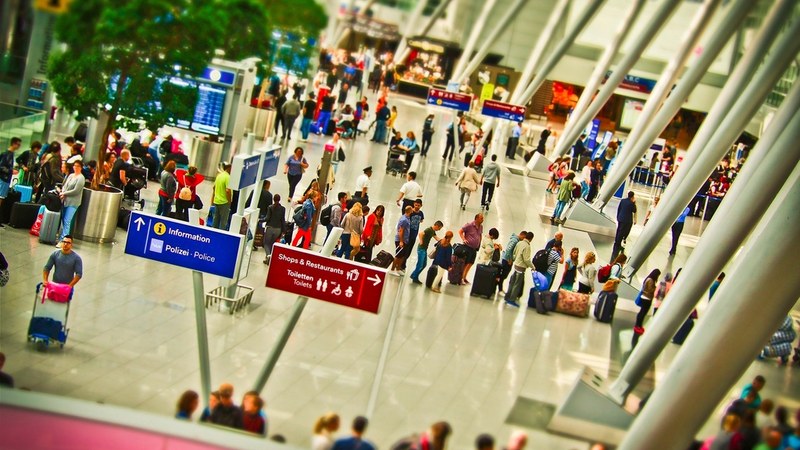
Travelers experienced prolonged waits on concourses and inside aircraft at outlying airports during the ground stop. Many reported missed connections due to the halt in departures and subsequent network delays. As airlines worked to clear backlogs after the ground stop lifted, congestion on
taxiways and gates further extended delays.
Passengers faced crowded airports and extended rebooking times. Airlines recommended using digital tools such as mobile apps for faster rebooking, as carriers commonly allow free same-day itinerary changes during significant weather-related disruptions.
Regional Weather Patterns Persist, Causing Continued Disruptions
Similar thunderstorms have affected other major hubs in the eastern United States this week, creating temporary ground stops and arrival management programs during peak travel hours. Aviation analysts expect ongoing delays and flow restrictions to remain across the Southeast due to the summer pattern of hot, humid conditions and daily chances of strong thunderstorms.
Passengers scheduled to travel through Hartsfield-Jackson during periods
of unsettled weather in the coming days should expect potential delays as storm cells move through critical air corridors.