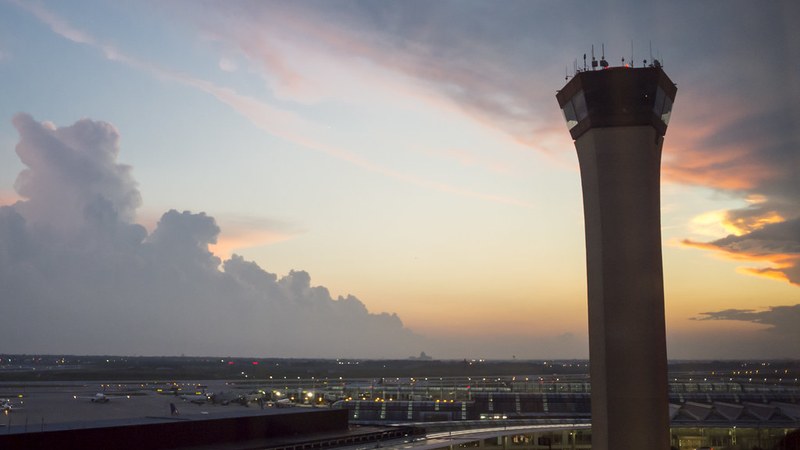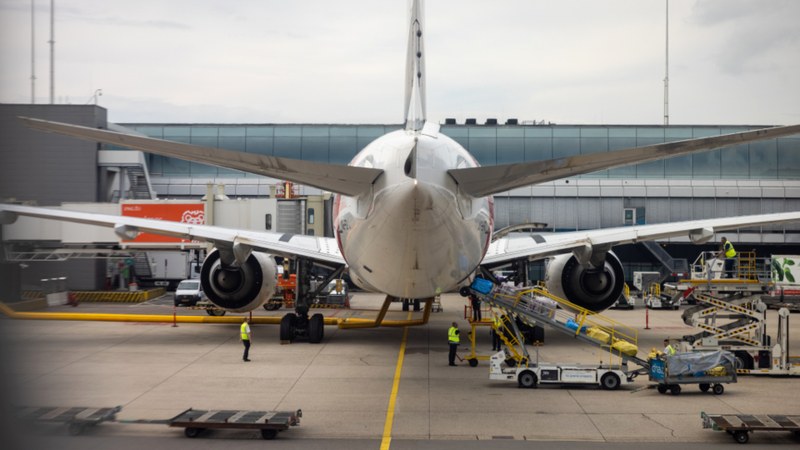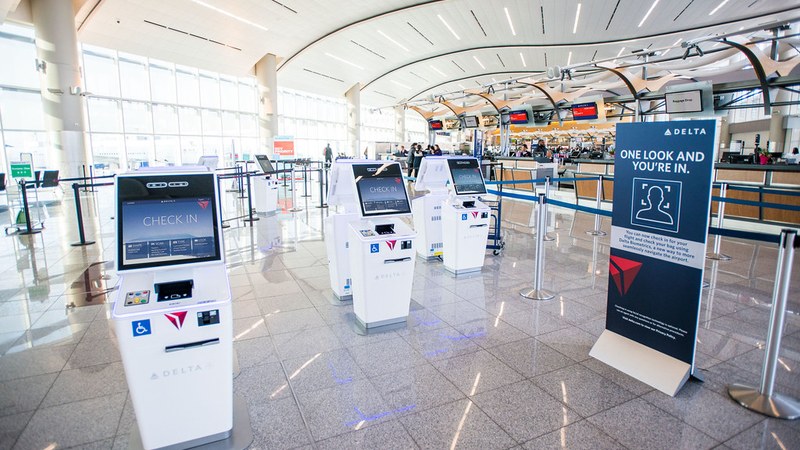
The Federal Aviation Administration (FAA) implemented a temporary ground stop at Hartsfield-Jackson Atlanta International Airport on Saturday, July 11, 2026, after thunderstorms developed over metro Atlanta and central Georgia. The ground stop halted departures destined for Atlanta, keeping aircraft at their origin airports until weather conditions allowed safe operations. Flights already airborne en route to Atlanta were typically permitted to continue landing during the restriction period.
Ground Stop Timing, Delay Figures, and Weather Warnings
The FAA initially imposed the ground stop until 2:30 p.m. Eastern time, later extending it until 4 p.m., after which it briefly expired before a new ground stop was issued lasting until 9 p.m.
Local time. As of approximately 1 p.m., the FAA reported more than 900 delays with an average delay duration of 40 minutes and a maximum delay reaching 75 minutes. Several counties in the Atlanta region, including Habersham, Morgan, Newton, and Walton, were under severe thunderstorm warnings with expiration times between 4:45 p.m. and 6:15 p.m. Eastern. Eastern Georgia remained under a severe thunderstorm watch through 9 p.m.
Thunderstorm Effects on Air Traffic Control Capacity
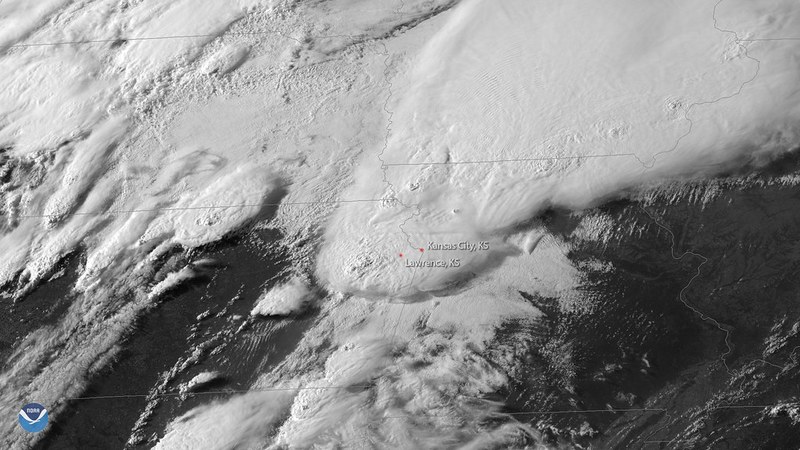
Severe thunderstorms constrained the arrival and departure corridors at Hartsfield-Jackson due to hazards such as lightning, turbulence, wind shear, and rapidly evolving cloud formations. These conditions reduce air traffic control sector capacity, requiring
traffic managers to pause departures to prevent congestion and extended holding patterns near hazardous weather. Ground stops align inbound traffic volume with safely manageable levels during such weather events. This is a common summer phenomenon in the Atlanta area, where hot, humid conditions trigger daily chances of convective storms that affect major airport hubs across the Southeast and eastern United States.
Impact on Travelers and Flight Operations
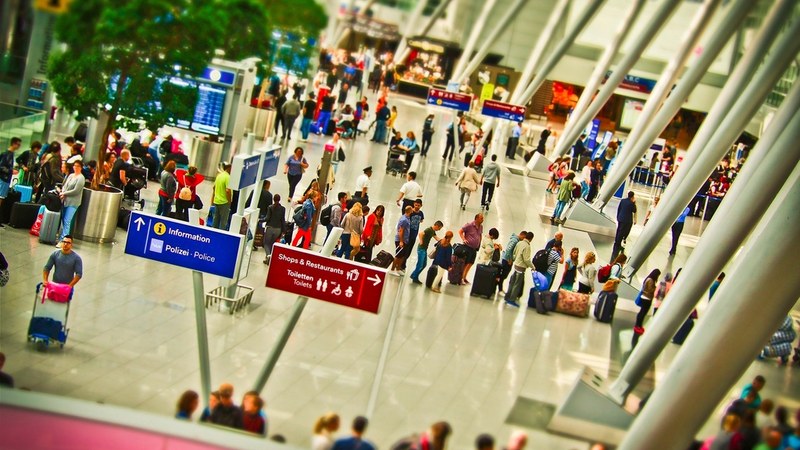
The ground stop led to a backlog of flights on the ground, causing mounting delays and multiple cancellations on routes through Atlanta. Passengers reported long waits in airport concourses and onboard aircraft at outlying airports pending clearance updates. Many
travelers experienced missed connections to smaller Southeast and Midwest cities reliant on Hartsfield-Jackson as a central hub. Some airlines rebooked affected passengers onto later flights or alternative routings via other hubs. After the stop was lifted, congestion increased on taxiways and at gates as airlines worked to clear delayed flights and manage aircraft and crew timing constraints.
FAA Operational Context and Passenger Guidance
The FAA uses ground stops to manage unsafe or highly constrained conditions at airports during severe weather, particularly thunderstorms affecting key airspace corridors. The agency noted a 30 to 60% chance of further ground stop extensions based on evolving conditions. Airlines and travel
advisors recommend travelers monitor flight status through airline apps, as digital platforms can offer faster rebooking options than in-person customer service. Passengers with tight connections at Hartsfield-Jackson were especially vulnerable to disruptions during the afternoon and evening thunderstorm period.
Regional Weather Patterns and Systemic Disruptions
Summer thunderstorms frequently impact air travel throughout the Southeast and eastern U.S., with multiple airports experiencing temporary ground stops and arrival restrictions this week amid peak travel hours. Meteorologist Eboni Deon identified ongoing scattered storms and isolated severe storm risks expected on Sunday across the Georgia region. These weather patterns routinely cause delays and operational adjustments at major hubs like Hartsfield-Jackson,
where high passenger volumes and network connectivity cause localized disruptions to cascade through airline schedules nationally.