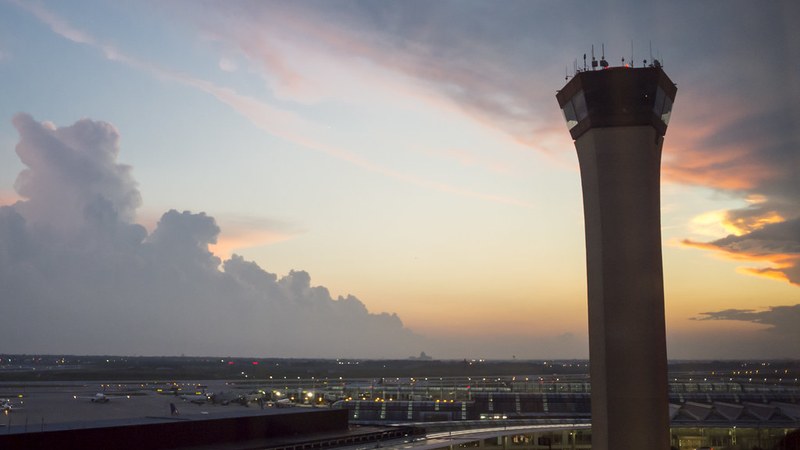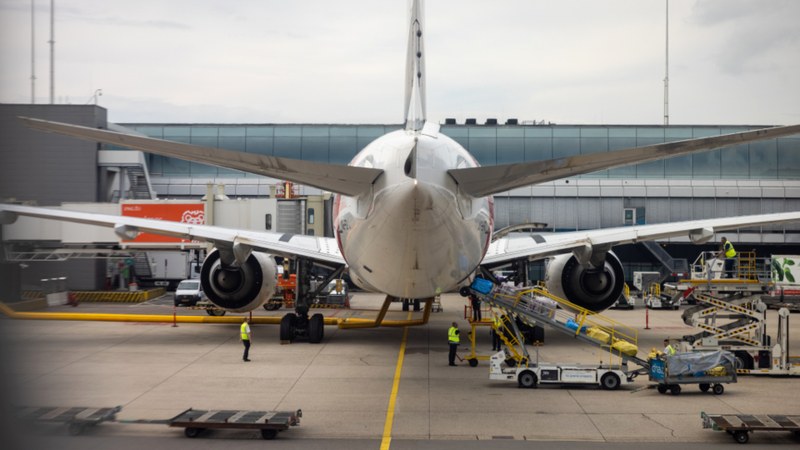
On July 12, 2026, the Federal Aviation Administration imposed a temporary ground stop at Hartsfield-Jackson Atlanta International Airport due to thunderstorms moving through the Atlanta metropolitan area. This safety measure halted departures during the afternoon to manage severe weather conditions affecting arrival and departure corridors.
Flight Operations and Delays
Departures from Hartsfield-Jackson were paused starting in the afternoon, while arrivals already in the air were generally permitted to continue. The ground stop caused a backlog of flights on the ground and delays across airline networks using the airport as a central connecting hub. Some sources reported the ground stop remained in place until at
least 5 p.m. Eastern, leading to flight delays and cancellations during a peak summer travel weekend.
FAA Safety and Congestion Management
The FAA uses ground stops to manage safety and congestion in severely constrained airspace conditions. Thunderstorms in the region caused lightning, turbulence, and rapidly changing cloud formations that reduced sector capacity, especially in narrow arrival and departure corridors around Hartsfield-Jackson. Ground stops prevent aircraft from being forced into extended holding patterns near hazardous weather and reduce controller workload.
Traveler Disruptions and Airline Responses
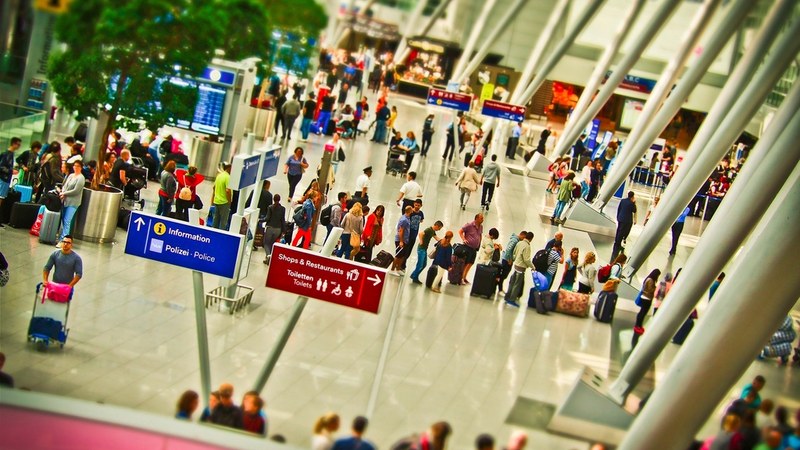
Passengers faced long waits on airport concourses and onboard aircraft at origin airports due to the ground stop. The backlog created missed connections for travelers using
Atlanta as a hub. Airlines rebooked passengers onto later flights or alternate routings through other hubs. Travelers reported crowded terminals and extended delays throughout the day.
Weather Context and Regional Impact
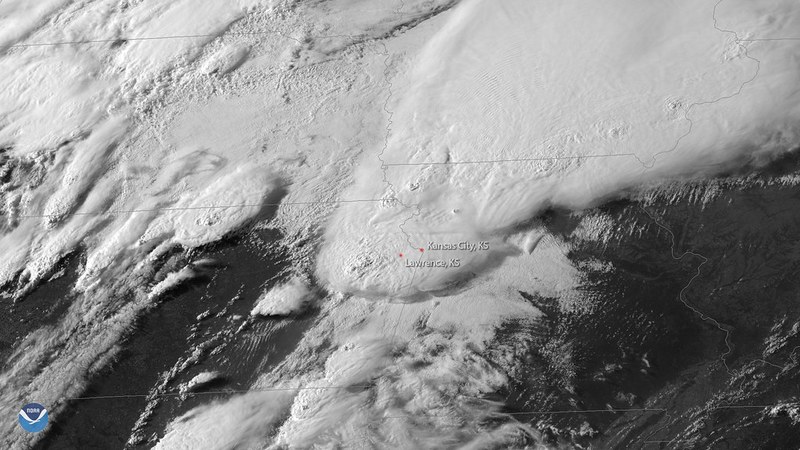
The National Weather Service forecasted persistent hot, humid conditions with daily scattered to strong thunderstorms in the Atlanta region on July 12. Isolated storm cells intersecting busy air corridors contributed to the FAA’s decision to impose the ground stop at Hartsfield-Jackson. Similar weather-related ground stops and arrival management programs took place earlier that week at other major eastern US airports, highlighting challenges in Southeast airspace during peak travel periods.
Operational Recovery Challenges
After the ground stop was
lifted, a surge in takeoff and landing demand caused additional congestion at Hartsfield-Jackson. Flights and crews falling behind schedule prolonged disruptions even as weather conditions improved. The FAA used flight-tracking data, airline status boards, radar, and pilot reports to adjust ground stop timing and manage recovery.