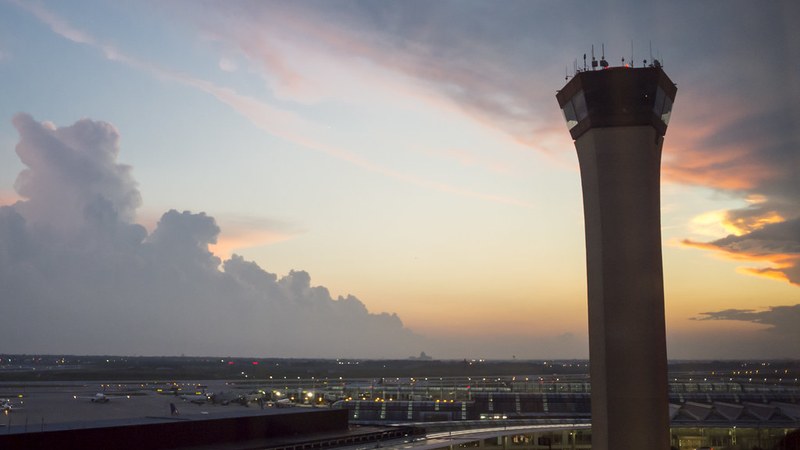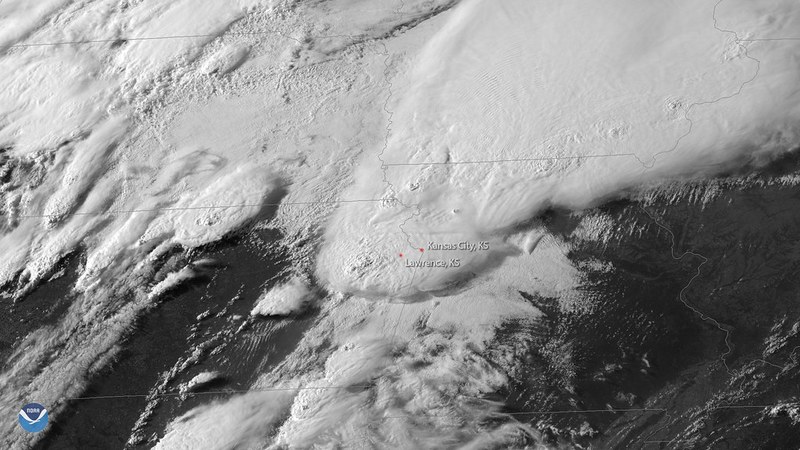
On July 12, 2026, the Federal Aviation Administration (FAA) enforced a temporary ground stop at Hartsfield-Jackson Atlanta International Airport due to thunderstorms developing over metro Atlanta and central Georgia. This measure halted departures bound for Atlanta during the Saturday afternoon, leaving aircraft parked at originating airports until conditions improved.
FAA Traffic Management During Thunderstorm Conditions
The ground stop is a traffic management action used by the FAA when weather makes airspace constrained or unsafe, especially in arrival and departure corridors at major hubs like Atlanta. Thunderstorms cause convective hazards such as lightning, wind shear, and turbulence that reduce sector capacity. Ground stops prevent the buildup of
inbound aircraft in saturated airspace, lowering risks of extended holding patterns near hazardous weather and easing controller workload.
Timing and Context of the Ground Stop
The ground stop started during Saturday afternoon and remained active into late afternoon with an expected end time of at least 5 p.m. Eastern. The disruption took place amid a peak summer travel weekend, when the airport handles high volumes of domestic and international flights. Arrivals already airborne toward Atlanta were generally allowed to continue to the airport during the ground stop.
Impact on Flights and Passengers
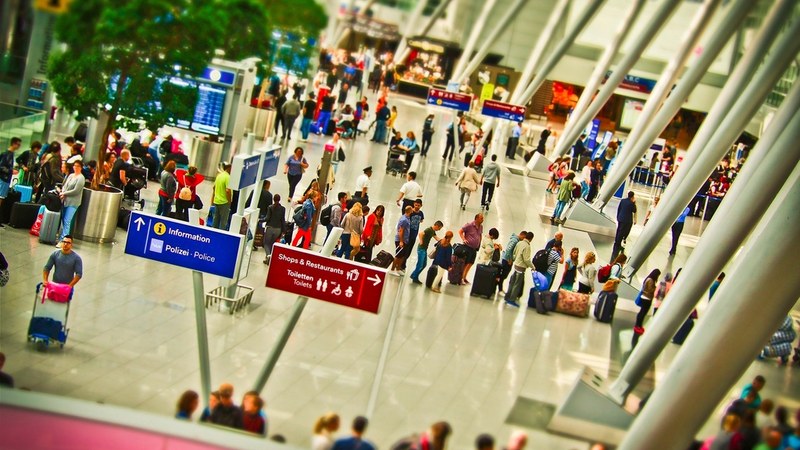
The ground stop caused significant disruptions across airline networks, creating a backlog of flights on the ground. Mounting delays and
scattered cancellations were reported on routes connecting to Atlanta. Some airlines rebooked passengers on alternate flights through other hubs. Travelers faced long waits both in airport concourses and on aircraft at distant airports as crews awaited clearance to depart. Missed connections were common, particularly for passengers traveling to smaller Southeast and Midwest cities relying on Atlanta as a gateway.
Recommendations and Regional Weather Patterns
Seasonal hot, humid conditions in the Southeast often trigger scattered afternoon thunderstorms, capable of sharply disrupting aviation operations. Similar weather conditions have caused temporary ground stops and arrival management at other major eastern U.S. hubs during the same week. Aviation analysts
advise that travelers to Hartsfield-Jackson use airline apps for real-time flight updates and rebooking options, as customer service desks can be overwhelmed during weather disruptions.
After the ground stop is lifted, airlines typically face a surge in demand for slots, leading to congestion on taxiways and gates and continued delays. The FAA transitions from full ground stops to metered arrivals or ground delay programs based on weather improvements.
The thunderstorms affecting metro Atlanta on July 12 produced sudden downpours, lightning, and strong convective activity that made departure operations at Hartsfield-Jackson unsafe and constrained the surrounding airspace, necessitating the temporary halt
in flight departures.