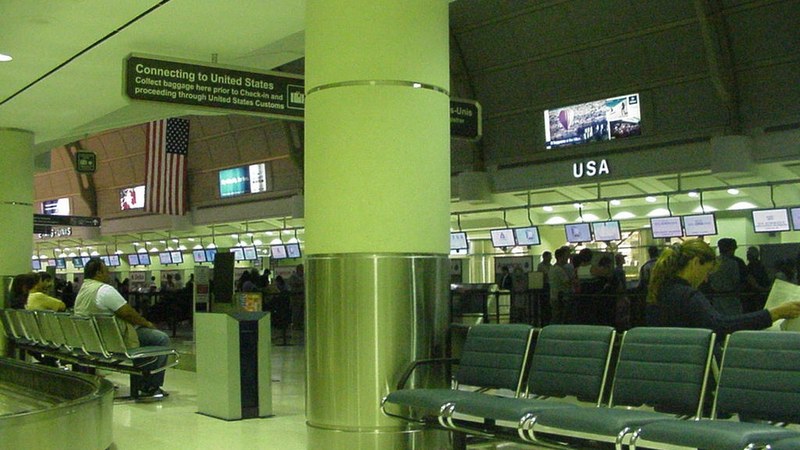
The U.S. Federal Aviation Administration (FAA) issued a nationwide ground stop on November 13, 2026, due to telecommunications failures at regional U.S. air traffic control centres. The halt, which suspended all U.S.-bound flights, was lifted shortly before 9 p.m. local time on November 13. In response, NAV Canada applied traffic management measures at Toronto Pearson International Airport, Montreal-Trudeau Airport, Calgary International Airport, and Vancouver airports to safely manage air traffic and lifted these restrictions shortly after 6 p.m.
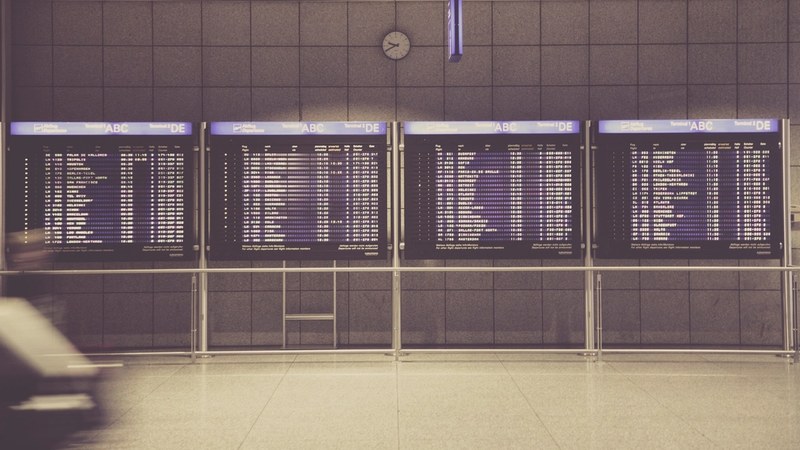
Canadian airports faced significant disruptions on November 14, 2026, as hundreds of U.S.-bound flights were cancelled or delayed. Toronto Pearson International Airport
suspended all departures and arrivals to and from the U.S. during the FAA ground stop. Montreal-Trudeau and Calgary International Airport also experienced numerous cancellations. Calgary’s ground stop lasted several hours, during which some passengers seated on aircraft prepared for departure were asked to disembark due to flown cancellations. Airlines including Air Canada and WestJet reported widespread delays and flight cancellations amid the disturbance.
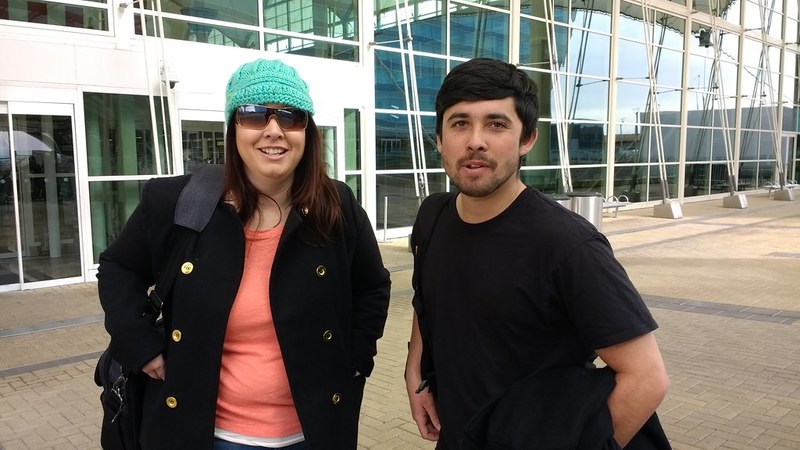
Passengers filed reports of confusion and long wait times. Naji Zuain, a passenger stranded at Calgary International Airport after his Air Canada flight to Denver was cancelled and rebooked for the following morning, paid out-of-pocket for overnight
lodging after being told the airline would not cover costs. Billy Bishop Toronto City Airport indicated it did not expect diverted U.S. flights during the disruption but advised travelers to contact airlines for status updates. Meanwhile, John C. Munro Hamilton International Airport reported no operational impact and operated normally on November 14.
John Gradek, professor of operations and integrated aviation management at McGill University, described the fault as a major disruption comparable in scale to the 9/11 airspace shutdown but less severe. He emphasized the criticality of communication between air traffic controllers and airlines to avoid accidents amid such interruptions.
Duncan Dee, former Air Canada chief operating officer and aviation analyst, noted that grounding flights due to failures in both primary and backup communication systems led to a cascading ripple effect across North American airline schedules.
NAV Canada issued a statement warning of potential ongoing delays as backlogs in operations are cleared and encouraged passengers to verify flight status with their carriers. Toronto Pearson Airport confirmed suspension of U.S.-bound departures and arrivals during the ground stop and urged passengers to check directly with airlines. Federal Transport Minister Steven McKinnon said the federal government was closely monitoring the situation and maintained
communication with NAV Canada and other authorities.
Even after the FAA lifted the ground stop shortly before 9 p.m. on November 13, delays persisted through November 14 as operations at Canadian airports worked to normalize. Airlines faced the challenge of reassembling schedules amid uncertainty, with flights rebooked for times as late as 9 a.m. November 14. The disruption spread widely due to the reliance of Canadian air traffic on U.S. airspace and prompted significant passenger inconvenience and operational adjustments.