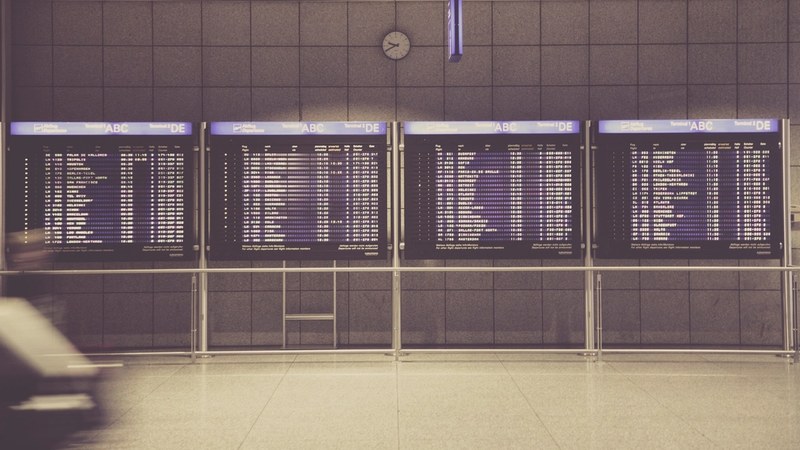
The Federal Aviation Administration issued a nationwide ground stop on November 14, 2026, at 2:54 p.m. Central Time, halting departures at all U.S. airports for over four hours. The ground stop was lifted before 7:30 p.m. local time but caused major disruptions across the country.
Flight Disruptions at Chicago Airports
Prior to the nationwide ground stop, local halts were implemented at Chicago O’Hare International Airport at 2:10 p.m. and Chicago Midway International Airport at 2:17 p.m. CT. As of 11:50 a.m. the following day, November 15, O’Hare had seen 548 flight cancellations, while Midway recorded 68. Delays remained significant, averaging 29 minutes at O’Hare and
under 15 minutes at Midway on the morning of November 15, prolonging the impact on travelers.
Cause of Ground Stop and Safety Measures
The nationwide halt was triggered by faulty Federal Aviation Administration communications equipment during a routine maintenance project at a remote location. Workers were shifting telecommunication lines from copper wire to fiber optic cables when a defective router flooded air traffic control systems with more than 1,000 connection attempts every four to five seconds. This caused loss of radar feeds and disrupted communications with aircraft, forcing the FAA to halt traffic for safety.
FAA Administrator Bryan Bedford confirmed there was no evidence of cyberattack or
malicious activity, stating: “We see zero evidence of anything nefarious, and zero evidence of anything AI-related. So we want to be clear that we have an equipment issue.” Transportation Secretary Sean Duffy added that once the faulty work was isolated, systems were restored.
Traveler Impact and Airline Responses
The ground stop resulted in hundreds of cancellations and delays at Chicago airports and affected thousands of flights nationwide. At O’Hare and Midway, passengers faced long waits on runways and crowded terminals. American Airlines responded by adding 1,750 extra seats and scheduling additional flights on November 15 to help recover from the disruption. The carrier also imposed
fare caps on domestic and short international routes anticipating continued delays.
Official Statements and Political Reactions
Transportation Secretary Sean Duffy described the incident as an emergency caused by outdated technology, declaring, “Either through contractor error or a faulty piece of equipment… that router… started flooding other routers ” and called for congressional funding to modernize FAA infrastructure. He predicted recovery would take time.
Department of Homeland Security Secretary Markwayne Mullin said investigators found no sign of cyberattack but continued examining the event. New York Governor Kathy Hochul criticized Duffy’s management, accusing him of neglect amid repeated aviation failures and demanding his resignation or removal.
International Flight Adjustments and Sports Schedule Changes
The
ground stop also had international repercussions. Mexico’s Federal Civil Aviation Agency imposed temporary flight restrictions as a precautionary measure. Air Canada canceled flights between the U.S. and Canada despite no reported impact on Canadian systems. Flights to Europe resumed earlier than others, relying on separate control systems unaffected by the disruption.
Several college football conferences delayed kickoff times on November 14 due to travel delays caused by the FAA halt. The Mississippi versus Oklahoma game was postponed from Saturday to Sunday, with some teams choosing bus travel to bypass air disruptions.
Calls for FAA Modernization Funding
The failure exposed vulnerabilities in the FAA’s aging communication
systems. Secretary Duffy emphasized the need for billions in congressional funding to upgrade critical infrastructure, warning that air traffic control failures pose ongoing risks. The incident marked only the second nationwide ground stop since the September 11 attacks, underscoring urgent modernization requirements.