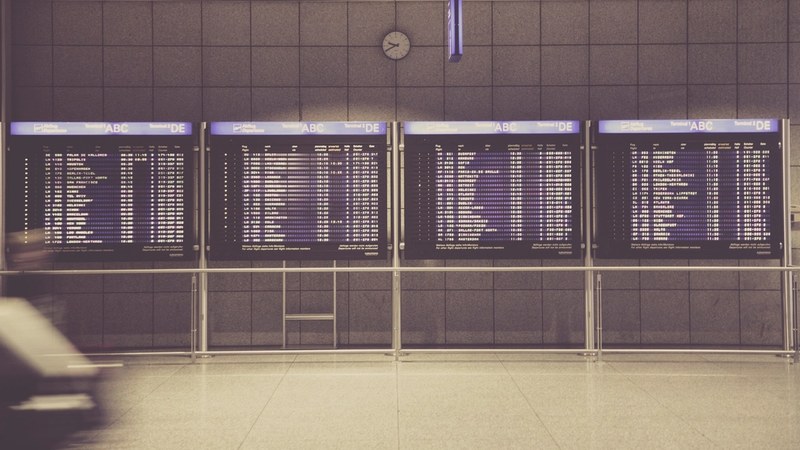
The Federal Aviation Administration (FAA) implemented a nationwide ground stop at approximately 4 p.m. Eastern Time on November 13, 2026, grounding over 3,500 airplanes across United States airports due to instability in radar and communications systems at air traffic control centers. The stoppage lasted more than four hours, with the FAA lifting the ground stop around 8:15 p.m. ET.
Radar and Communication Failures Trigger Nationwide Stop
The U.S. Transportation Secretary Sean Duffy attributed the disruption to the FAA’s outdated analog air traffic control system, which became overloaded and began sending inconsistent data from switches and routers. “They started to give us inconsistency in the data from those
routers, and because of that we shut the system down,” Duffy said. Digital IP-based air traffic control centers did not experience failures, underscoring the need to finish upgrading the system. Prior isolated failures in New York and Newark had indicated growing vulnerability of the analog system.
Airline Responses Focus on Resuming and Rescheduling Flights
American Airlines prioritized flights to non-hub cities and international routes as part of recovery efforts. United Airlines noted that while many Friday evening flights were canceled, some continued operations during recovery. Delta Airlines offered no-cost flight changes to affected customers. Airlines worked to resume service amid ongoing delays and cancellations caused by crews and
equipment being out of position.
Travel Disruptions Affect Major U.S. and Canadian Airports
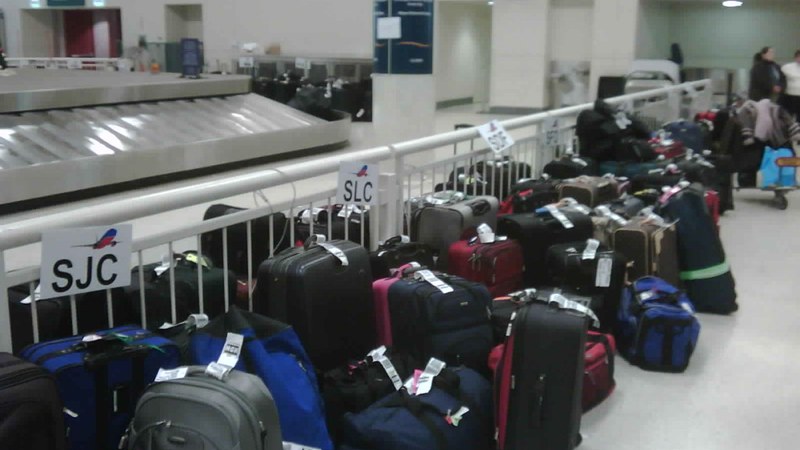
The ground stop stranded thousands of passengers across major airports including Chicago O’Hare, Midway, Toronto Pearson, Montreal-Trudeau, Philadelphia International, Boston Logan, Detroit, Flint, and Grand Rapids. International flights, including those to Istanbul and Auckland, were also disrupted. Travelers faced delays of two or more hours, many rebooked or sought alternate transportation such as rental cars, Amtrak trains, and buses. The disruption occurred weeks before the busy Thanksgiving travel period starting November 26, 2026. Passengers at Denver were affected by cancellations and rebooking amid a political event there.
Officials Confirm Safety, Reject Cyberattack Claims
Homeland Security Secretary Markwayne Mullin reassured the public
that the outage posed no safety threat. “The public was never at danger through this process. There were never any lives at risk. There was no flights at risk,” Mullin said. He denied any evidence of cyberattack or terrorist activity, stating, “There is no prior indication as of yet that this was nefarious attack against us.” The FAA allowed exceptions for critical medevac, life-saving cargo, and law enforcement flights during the ground stop.
Funding Push to Modernize Air Traffic Control
Transportation Secretary Sean Duffy called for increased congressional funding to upgrade the air traffic control system, raising the request from President Donald Trump’s $30 billion to $50
billion. “You will have more of these. You will have more of them, unless the American people and in Congress tell us to build. I can’t wait for that,” Duffy said. President Trump declared the failures a national emergency and has been receiving constant updates as airlines and airports work to recover. The FAA communicated the lift of the ground stop via its website around 8:30 p.m. ET. Recovery of flight operations is expected to take several days due to crew availability and equipment positioning challenges.