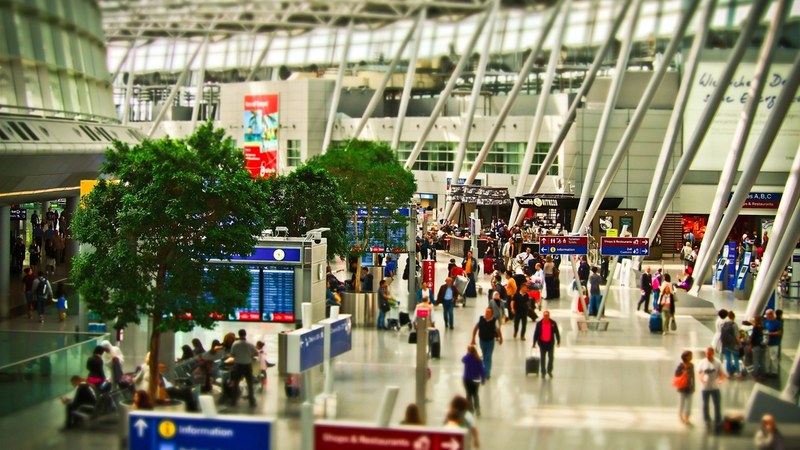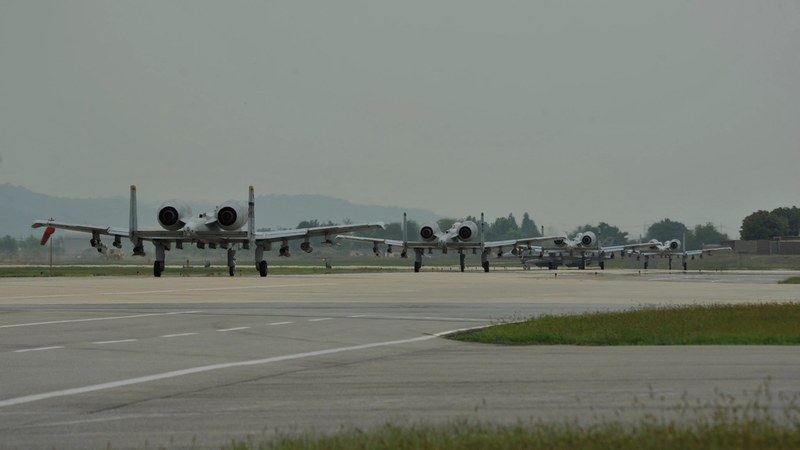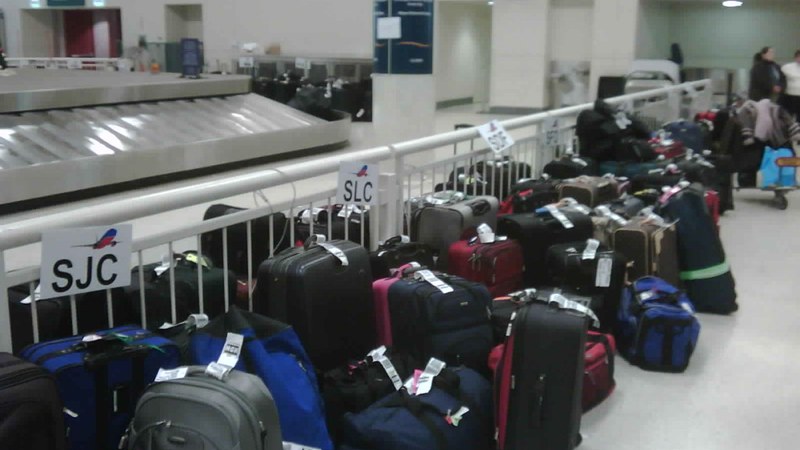
The Federal Aviation Administration (FAA) ordered a nationwide ground stop beginning November 13, 2026, lasting more than four hours and affecting all U.S. airports coast to coast. This suspension of flights disrupted air travel across the country.
Flight Cancellations and Delays Total Over 12,500
According to flight tracking service FlightAware, the ground stop resulted in at least 12,506 cancellations between November 13 and 14, 2026. On November 13 alone, 9,132 flights were canceled and 7,030 delayed nationwide. On the morning of November 14, 3,374 cancellations and 1,008 delays were reported as airlines struggled to resume operations.
Faulty Telecommunications Equipment Causes System Overload
The FAA traced the root cause to a malfunction at a
remote facility during routine maintenance that replaced telecommunications lines from older copper wire to fiber optic. The replacement router flooded the air traffic control system with over 1,000 connection attempts every four to five seconds, disrupting communication with aircraft and radar feeds. This equipment failure triggered safety protocols, halting all U.S. airspace operations.
Officials Rule Out Cyberattack, Confirm Equipment Failure
FAA Administrator Bryan Bedford confirmed the cause was faulty equipment and explicitly ruled out cyberattack or artificial intelligence involvement. “We see zero evidence of anything nefarious, and zero evidence of anything AI-related,” Bedford said. Department of Homeland Security Secretary Markwayne Mullin also stated that no signs of
a cyberattack were present, though investigations remain ongoing.
Travelers Face Continued Disruptions as Recovery Progresses
Though the FAA lifted the ground stop by November 14, airlines continued facing delays and cancellations while reorganizing crew schedules and aircraft positioning. Transportation Secretary Sean Duffy said operations were “slowly” returning to normal with flights taxiing and taking off, but cautioned that delays would persist. “I believe that it’s going to take us some time to get back to capacity,” Duffy said. “You will continue to see some delays and cancellations as carriers reschedule flights and reposition aircraft/crews where they are needed most.”
Duffy called for Congressional funding to modernize FAA
infrastructure. “In at least one of our remote FAA locations, a contractor was doing routine maintenance to switch telecommunication lines from old copper wire, and they were bringing it over to fiber,” he said. The Transportation Secretary described the situation as an emergency caused by outdated technology overload. “Once we were able to isolate the work that was being done at this remote location, all of our systems came back online, so we don’t believe this was cyber at all. This was an FAA system that didn’t meet the moment,” Duffy added.
He emphasized that the top priority remains safely
returning travelers to their destinations and thanked air traffic controllers and flight crews for their dedication throughout the disruption. “Our top priority right now is making sure travelers get home safely to their families as quickly as possible,” he said. “The nation thanks you for your professionalism and dedication to the flying public.” The Department of Homeland Security Secretary Markwayne Mullin confirmed that investigations into the incident continue.