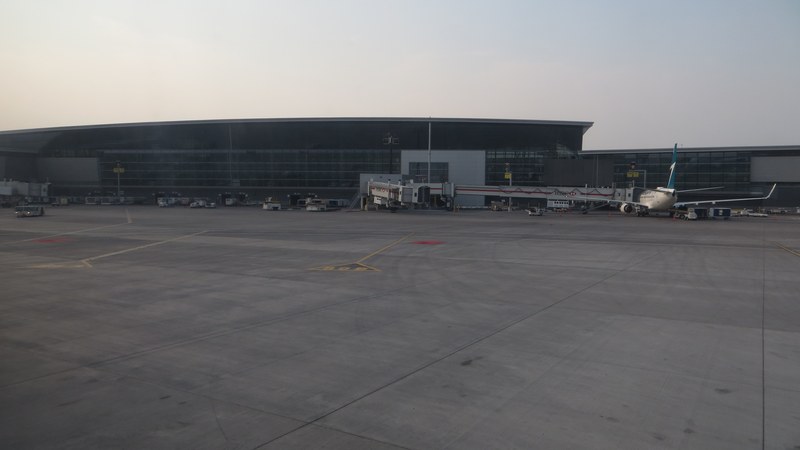
The Federal Aviation Administration issued a nationwide ground stop on November 13, 2026, due to communications failures at regional air traffic control centers. The halt lasted approximately four hours and was lifted around 7:30 p.m. Central Time, causing widespread disruptions across U.S. airports.
Flight Delays and Cancellations at Chicago Airports
Chicago O’Hare International Airport and Chicago Midway International Airport reported severe impacts from the FAA ground stop. At 9:30 p.m. Central Time on November 13, nearly 900 flights were delayed and over 800 were canceled at both airports combined, with cancellations mostly concentrated at O’Hare. By 9 a.m. on November 14, delayed flights had decreased to fewer
than 400, while cumulative cancellations remained above 500. Specifically, ABC7 reported 421 flight cancellations at O’Hare and 58 at Midway by 7:35 a.m. on November 14.
Passenger and Airport Conditions During the Disruption
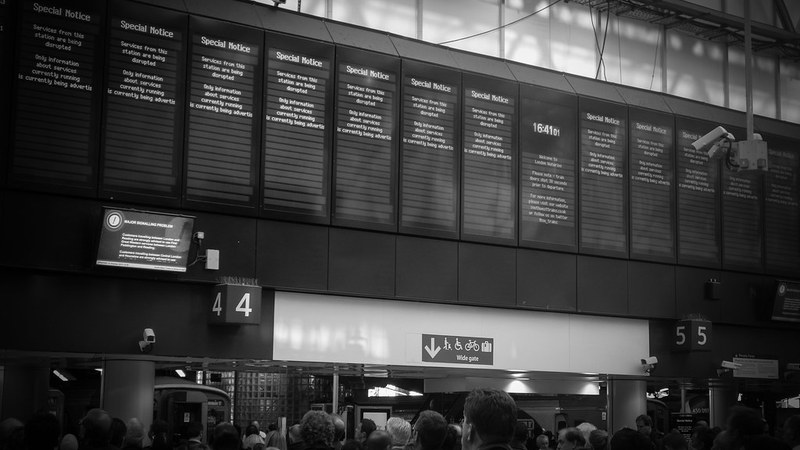
Passengers at O’Hare experienced crowded gate areas and confusion, with large groups stranded as flights were grounded. Security checkpoint lines saw low activity due to the grounding. Traveler Shawntell Sharrock described the gate areas at O’Hare as chaotic, noting inconsistent information and heavy security presence. Many passengers faced extended waits and made alternative plans, including booking hotels or leaving the airport.
Official Statements and Airline Operations
The FAA cited “extraordinary circumstances and for reasons of safety” as the cause
for the ground stop. U.S. Secretary of Homeland Security Markwayne Mullin attributed the outage to a telecommunications failure and ruled out a cyberattack, stating, “this was a nefarious attack against us. It’s just a telecommunications outage.” Mullin reassured the public about flight safety during the disruption.
United Airlines resumed flight operations following the ground stop, including some scheduled Friday night services. The airline acknowledged a significant number of cancellations and activated travel waivers to provide customers flexibility over the weekend amid expected ongoing delays on November 14. American Airlines prioritized operating flights to non-hub destinations and international routes to position
aircraft and crews for recovery, anticipating residual delays and cancellations through Saturday.
The Chicago Department of Aviation clarified that none of its infrastructure was involved in the FAA’s communications failure affecting air traffic control.
Traveler Experiences and Airline Recovery Efforts
Travelers faced long delays and sudden cancellations disrupting plans. Passenger Pankti Patel was stranded at O’Hare for hours, unable to reach Napa Valley for a long-awaited family trip. Danitra Haynes, visiting Chicago for a work conference, experienced a two-hour delay and preemptively booked a hotel after learning of the ground stop. Airlines issued travel waivers allowing customers to adjust travel with no penalty while working to
restore flight schedules.
FAA Infrastructure and Historical Context
This was the second nationwide ground stop by the FAA since September 11, 2001, following a January 2023 event caused by a computer system malfunction. The outage exposed ongoing issues with aging and outdated FAA radar and communications technology. Transportation Secretary Sean Duffy described FAA infrastructure as obsolete and called for additional funding beyond the $12.5 billion already approved for modernization. The FAA is deploying a new artificial intelligence system to assist air traffic control, but it operates near Washington, D.C. and was not connected to the communications failure.
Aviation experts noted similarities between this nationwide outage
and a regional communications failure that disrupted Northeast air traffic in September 2026, emphasizing the urgency of replacing deteriorating technology.
Broader Industry Impact
The ground stop and resulting flight disruptions affected travel beyond Chicago, including for routes to Ohio, Los Angeles, and international destinations. The Federal Civil Aviation Agency in Mexico imposed temporary restrictions, and Air Canada canceled some Canada-U.S. flights, though Canadian air traffic control networks were unaffected. Some college football games scheduled around the weekend experienced kickoff delays or rescheduling due to travel interruptions linked to the disruption.
Senator Tammy Duckworth, Ranking Member of the U.S. Senate Aviation Subcommittee, called for
a comprehensive investigation into the ground stop’s cause to prevent future occurrences.