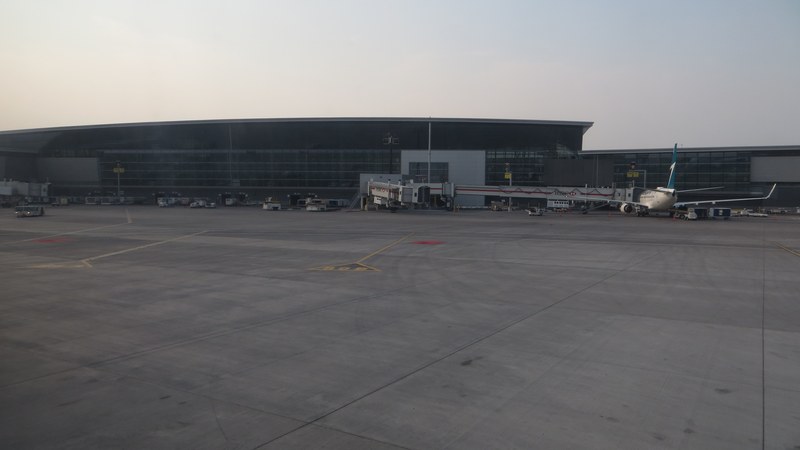
On Friday, November 13, 2026, the Federal Aviation Administration (FAA) issued a nationwide ground stop for all U.S. airports shortly after 4 p.m., halting flights for more than four hours. The pause was triggered by communication failures at regional air traffic control centers, forcing Canadian airports including Toronto Pearson International Airport (YYZ) and Billy Bishop Toronto City Airport (YTZ) to suspend all flights bound for the United States. The FAA lifted the ground stop at 8:15 p.m., ending the approximately 4.5-hour disruption.
Canadian Airports and Airlines Affected
Following the FAA’s directive, Toronto Pearson and Billy Bishop airports cancelled all remaining U.S.-bound flights for the day.
Air Canada and Porter Airlines also cancelled their U.S.-inbound and outbound services on November 13. While international and domestic flights that did not require U.S. airspace continued operating at Pearson, traffic management measures affecting Toronto Pearson, Montreal-Trudeau, Calgary International (YYC), and Vancouver airports were implemented by NAV Canada and lifted near 6 p.m.
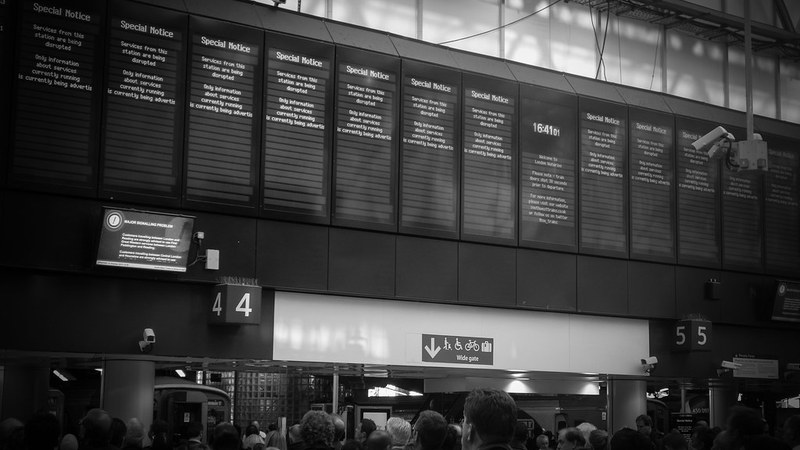
Hundreds of passengers were stranded. At Toronto Pearson, travellers waited in terminals for hours, many unable to secure immediate flight rebookings. Calgary International Airport also held U.S.-bound flights, leading to cancellations and passengers forced to deplane after boarding. Passenger Naji Zuain at Calgary reported paying $330 for
an unscheduled hotel stay and was rebooked for a 9 a.m. Saturday departure but criticized his airline for not covering accommodation costs.
Official Statements on Ground Stop and Resumption
The FAA stated the ground stop was issued “due to extraordinary circumstances and for reasons of safety” related to communication system failure at Air Route Traffic Control Centers. U.S. Transportation Secretary Sean Duffy announced reopening of U.S. airspace at 8:15 p.m. NAV Canada confirmed normal system operations during the disruption but acknowledged the traffic management measures put in place to maintain safety in Canadian airspace while the FAA addressed issues.
Canadian Transport Minister Steven MacKinnon posted on social
media, “We remain ready to provide support to our American colleagues as the situation evolves.” Toronto Pearson Airport warned, “U.S. flights arriving at and departing from Toronto Pearson continue to experience disruptions and cancellations as airlines work to restore normal flight schedules.” Billy Bishop Airport advised passengers that domestic flights were expected to run normally, though U.S. flights could face ongoing delays.
U.S. Secretary of Homeland Security Markwayne Mullin confirmed no indication of a security attack related to the outage and described the failure of primary and backup FAA communication systems. He said, “When a system like this fails, the
backup systems also failed and the backups of the backups failed.”
Passenger Experiences During Disruption
Passengers affected described uncertainty and costly accommodations due to the cancellations. Hannah Vollen at Toronto Pearson, who planned to fly to Washington, D.C., said she learned on social media that her flight was cancelled and had to book a $330 hotel. Elementary school teacher Lesley Gosio delayed her plans to visit New York City after her flight was repeatedly delayed and ultimately cancelled. She expressed concern over the safety implications of the FAA communication failure.
In Calgary, passengers like Naji Zuain faced overnight rebooking with limited airline support for
hotel expenses. Travelers reported being seated on planes ready for departure before flights were abruptly cancelled and passengers made to disembark.
Context and Operational Impact
This was only the second time since the September 11, 2001, attacks that all U.S. aircraft were grounded, with the previous nationwide stoppage in January 2023 linked to an FAA computer malfunction. The FAA’s communication failure disrupted a peak operational period on a Friday evening in North America’s aviation network.
John Gradek, aviation management professor at McGill University, noted the rarity and severity of such stoppages and the significant operational challenges involved in restoring normal schedules. He pointed out
that some U.S. airports risk running out of parking and terminal space for grounded aircraft, potentially affecting Canadian airports though no overflow had been confirmed.
Toronto Pearson and Billy Bishop continue to caution travellers to verify their flight status directly with airlines due to persistent disruptions as carriers gradually resume U.S. flight operations.