The Federal Aviation Administration imposed a nationwide ground stop on November 13, 2026, due to communication failures at regional air traffic control centers, resulting in extensive flight delays and cancellations at Chicago O’Hare and Midway International Airports.
Flight Delays and Cancellations at Chicago Airports
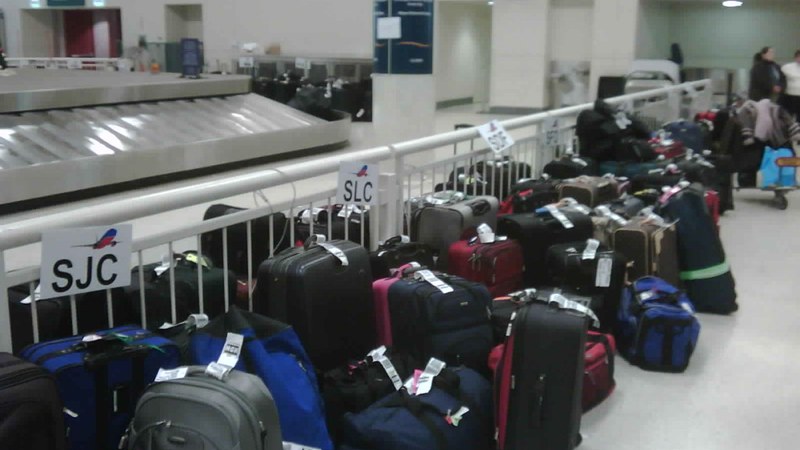
The ground stop lasted over four hours before lifting around 7:30 p.m. Central time. By 9:30 p.m., Chicago’s two main airports reported nearly 900 delayed flights and more than 800 cancellations, with most cancellations occurring at O’Hare. By 9 a.m. the following day, delays decreased to under 400 flights, but cancellations remained above 500.
Earlier on the same day, localized ground stops were
implemented at O’Hare at 2:10 p.m. and Midway at 2:17 p.m. Central time before the nationwide halt was issued at 2:54 p.m. Central.
Nationwide, over 8,500 flights were delayed and nearly 8,000 flights canceled, triggering cascading effects on international flights including Heathrow and Air Canada flights to the United States.
Airline Operations and Recovery Efforts
United Airlines resumed partial operations late Friday night, acknowledging a significant number of canceled flights. The carrier issued waivers allowing customers to alter travel plans amid ongoing disruptions through the weekend. American Airlines focused on maximizing remaining flights Friday evening and prioritized flights to non-hub cities and international destinations to
aid recovery.
Cause of the Ground Stop and Official Responses
The FAA attributed the ground stop to a telecommunications outage affecting all U.S. regional air traffic control centers. Transportation Secretary Sean Duffy described FAA communication systems as outdated, citing overloaded analogue telecom switches and routers as the cause. The FAA approved a $12.5 billion modernization project last year and requested an additional $30 billion to complete an overhaul of the outdated air traffic control infrastructure, which relies on copper wires and radio systems vulnerable to failures.
Department of Homeland Security Secretary Markwayne Mullin confirmed the disruption was not caused by a cyberattack, emphasizing passenger safety. The Chicago Department
of Aviation confirmed no local infrastructure was involved in the affected FAA communications. FAA technicians are investigating the cause, including potential links to the rollout of a new AI air traffic control system that operates remotely near Washington, D.C.
U.S. Senator Tammy Duckworth demanded a thorough FAA investigation into the incident.
Passenger Experiences at Chicago Airports
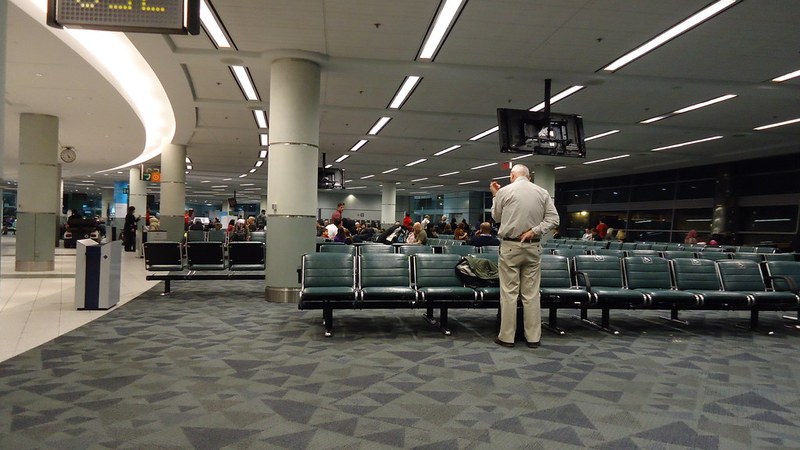
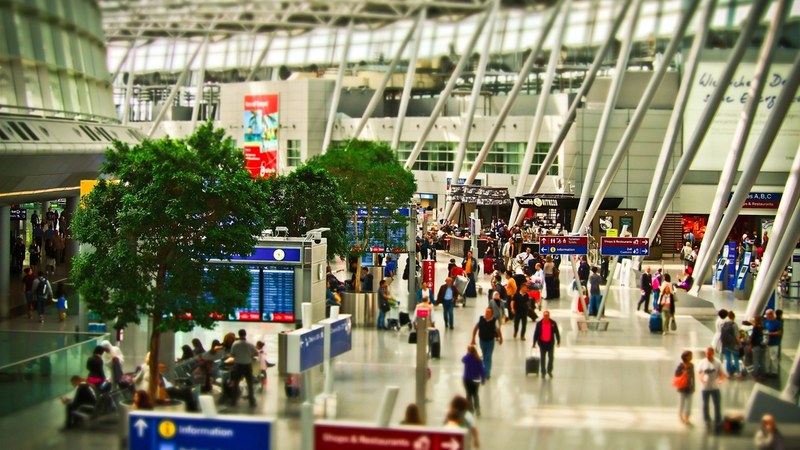
Travelers faced crowded and chaotic conditions at gates during the ground stop and afterward. Passenger Shawntell Sharrock described the scene at O’Hare as chaotic, noting inconsistent information and a strong security presence. Pankti Patel’s original 1:30 p.m. flight was delayed, causing her to cancel weekend plans to Napa Valley
and return home. Danitra Haynes experienced a two-hour delay, booked a hotel at O’Hare, and later flew to Los Angeles. Crowds at gates led many travelers to book overnight accommodations due to uncertainty about flights. The disruptions also affected college football travel plans scheduled for the following day.