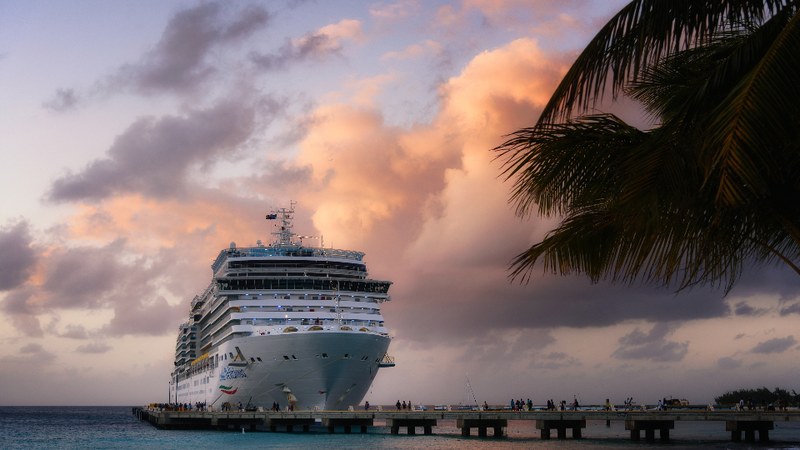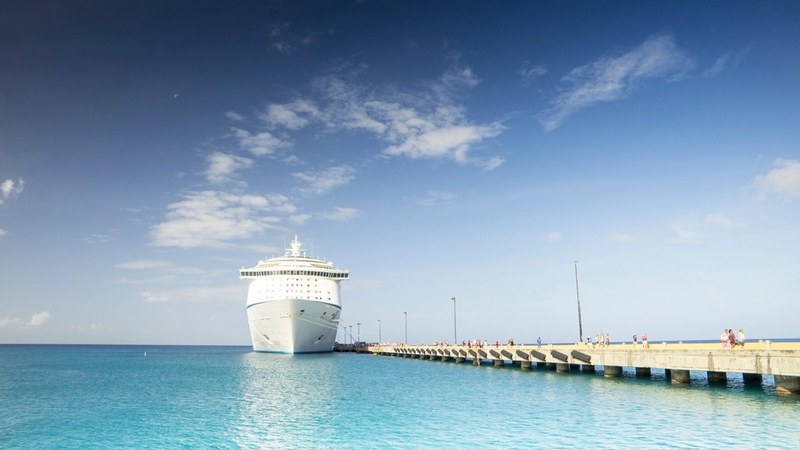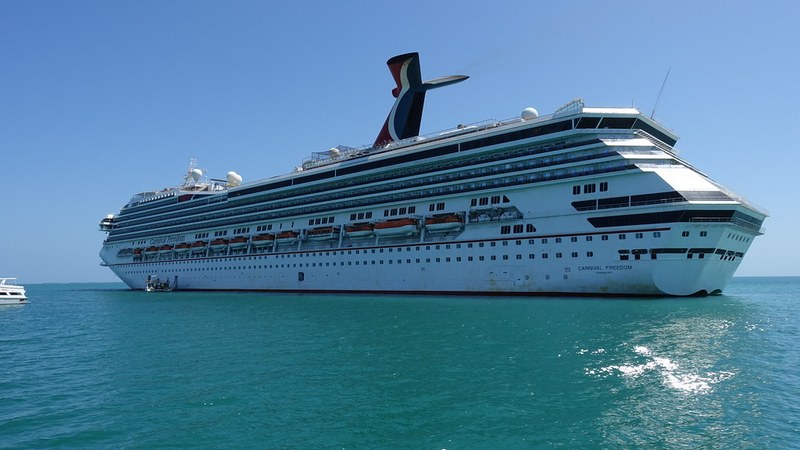
A hantavirus outbreak has affected the MV Hondius, a luxury cruise ship operated by Netherlands-based Oceanwide Expeditions, currently anchored off Cape Verde with 149 passengers representing 23 nationalities onboard. The vessel departed from Argentina three weeks ago with a planned route to Antarctica.
American Passenger Reports from MV Hondius Amid Outbreak
American passenger Jake Rosmarin has publicly described the uncertain conditions onboard via social media. He emphasized the passengers’ desire for safety, clarity, and repatriation, stating, “There’s a lot of uncertainty, and that’s the hardest part.” Rosmarin also highlighted the human aspect saying, “We’re not just headlines. We’re people. People with families, with lives, with people waiting for
us at home.”
Timeline and Details of Passenger Illnesses and Fatalities
The first onset of symptoms linked to the outbreak occurred on April 6 when a 70-year-old Dutch male passenger developed fever, headache, abdominal pain, and diarrhea. He died onboard on April 11 without microbiological testing at the time. His wife subsequently fell ill during repatriation and died two weeks later with confirmed hantavirus infection. Both cases were confirmed by the World Health Organization (WHO).
A British passenger became symptomatic on April 24 and was evacuated to South Africa where he remains in intensive care with a positive hantavirus test. A German woman developed pneumonia symptoms on April
28 and died on May 2; her cause of death is not yet established.
Medical Evacuations and Planned Cruise Movements
Oceanwide Expeditions announced that two specialized aircraft are en route to Cape Verde to evacuate two passengers needing urgent medical care and one individual associated with the deceased passenger from May 2. These patients are planned to be medically transferred to the Netherlands. An exact evacuation timeline has not been provided.
Following patient transfer, the MV Hondius intends to sail for three days to the Canary Islands, choosing between Gran Canaria or Tenerife, pending further authorization from relevant authorities.
Health Authority Coordination and Response Measures
Cape Verde’s national director of health, Ângela
Gomes, confirmed a regional hospital has established an isolation area with isolation capacity prepared. A dedicated medical team consisting of infectious disease specialists, nurses, doctors, and laboratory technicians is supporting patients onboard and stands ready for land-based care if necessary.
South African health officials noted severe respiratory complications in some passengers initially suspected to have acute respiratory infections. WHO is conducting contact tracing for a repatriation flight to Johannesburg following confirmed hantavirus infections among passengers.
Hantavirus Transmission and Quarantine Rationale
The Centers for Disease Control and Prevention (CDC) states hantavirus transmission occurs through contact with rodent urine, droppings, or saliva. Certain hantavirus species found in
Argentina have reported cases of human-to-human transmission. Dr. Emily Abdoler, clinical associate professor of medicine at the University of Michigan, cited these transmission risks as factors influencing quarantine decisions and the timing of passenger confinement.
Passengers on MV Hondius have been instructed to remain in cabins and maintain strict hygiene measures while disembarkation and medical evacuations require coordination and approval from both local and international health authorities.
Official Statements from Cruise Operator and Health Authorities
Oceanwide Expeditions confirmed the ongoing medical evacuations stating, “The medical evacuation of two individuals currently requiring urgent medical care, and the individual associated with the guest who passed away on 2 May, will
occur using two specialized aircraft that are en route to Cape Verde.” They added the vessel’s plan to proceed to the Canary Islands after patient transfer with discussions ongoing with local authorities.
Cape Verde’s national health director stated, “A dedicated team has been formed, with doctors, infectious disease specialists, nurses and laboratory technicians, to support patients on board and, if necessary, also on land.”