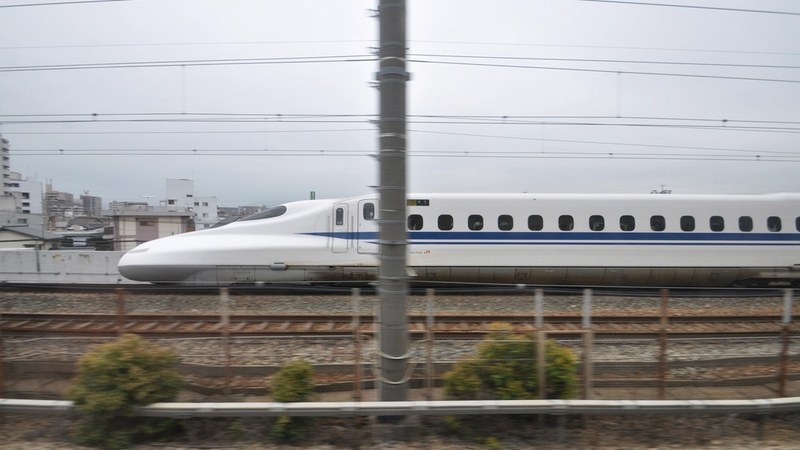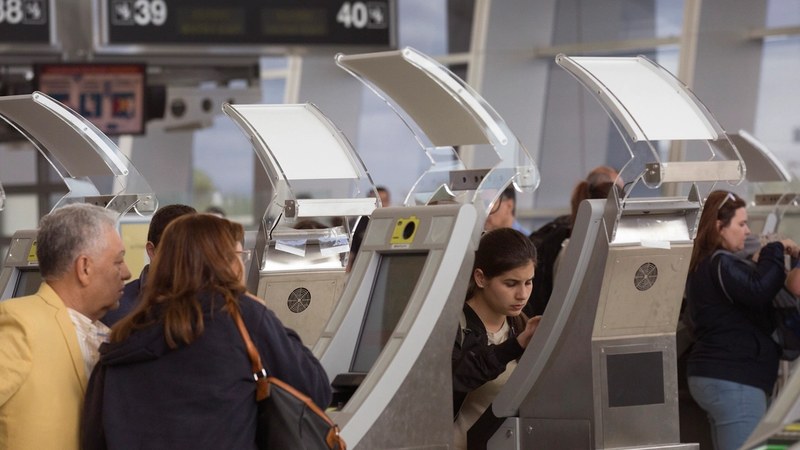
A nationwide strike by France’s four representative railway unions started on the evening of November 4, 2026, and continued through the morning of November 6, causing significant disruptions across SNCF train services nationwide. The strike particularly affected regional and intercity trains such as Intercités and TER, while TGV high-speed lines operated largely normally with isolated cancellations and schedule adjustments. The action coincided with mass street protests on November 5 by over 600,000 people across cities including Paris, Lyon, and Marseille.
Service cancellations and altered timetables
Passengers experienced widespread cancellations and reduced frequencies on regional and intercity SNCF routes, notably impacting TER and Intercités trains. The
eastern and northern TER lines ran on amended schedules, with some trains skipping stops. While TGV services mostly maintained near-normal timetables, some departures were retimed and occasional cancellations reduced availability. The disruption also affected RER and Transilien suburban lines around Paris, where fewer trains ran and some stations partially closed.
Scope and motivations of protests
The rail strike formed part of a larger social mobilization on November 5, with demonstrations involving students, public-sector workers, private employees, and the Yellow Vests movement. Protesters called for wage increases, protection against rising living costs, and opposed aspects of the French government’s 2027 budget plans. The movement, which started
with student grievances in September, grew to include multiple sectors. Authorities reported peaceful large-scale rallies, although some earlier October protests had seen clashes and vandalism.
Metropolitan and suburban transport disruptions
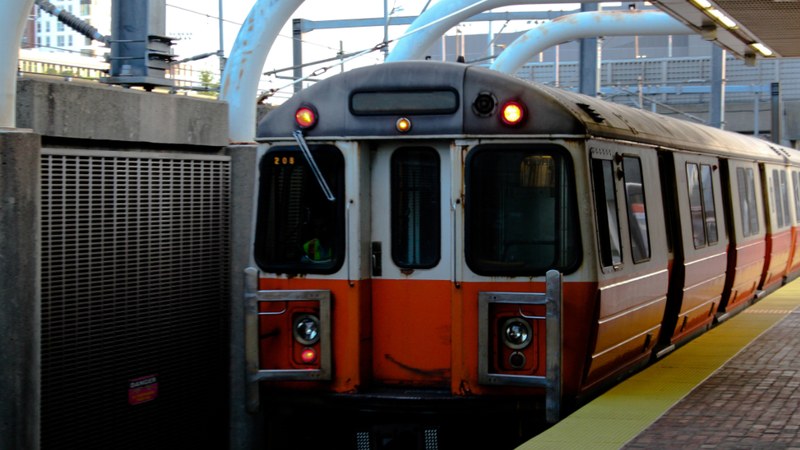
In Paris, the Metro, trams, and buses continued mostly normal operations at open stations during the strike peak on November 5. However, the RER and Transilien suburban networks faced patchy service with reduced train frequencies. Several suburban stations experienced closures or limited service. Passengers were advised to avoid travel during peak hours to mitigate congestion. The disruptions affected connectivity between city centers and major rail hubs, complicating commuting.
International rail services and travel impact
International connections such as Eurostar, running services
primarily between London and Paris, operated near their usual schedules but experienced knock-on delays due to French domestic disruptions. Travellers connecting from regional cities in France faced uncertainty regarding timely transfers to international trains. Public notices urged passengers to allow extra transfer time. Alternative transport options such as intercity coaches, car rentals, and taxis saw increased demand and higher prices, adding to travel challenges on and around November 5.
Advisories and official statements
SNCF advised passengers to verify train status before traveling, noting cancellations and retimed departures may occur. French police prepared for large protests and public safety operations in key cities. Tourism boards
and foreign embassies issued advisories recommending travelers to avoid protest areas and to monitor current transport updates via SNCF Connect and TER regional sites. They also suggested contingency planning due to possible last-minute changes and connection difficulties.
Ongoing social unrest and potential further disruptions
The strike and protests are part of an escalating wave of unrest that began in September, initially focused on students’ concerns and expanding to include multiple labor sectors. Unions have indicated the possibility of follow-up strike actions and protests beyond November 5, urging travelers to keep itineraries flexible. The movement reflects broader dissatisfaction with wage levels, public service reforms, and government budget policies
scheduled for 2027 implementation.