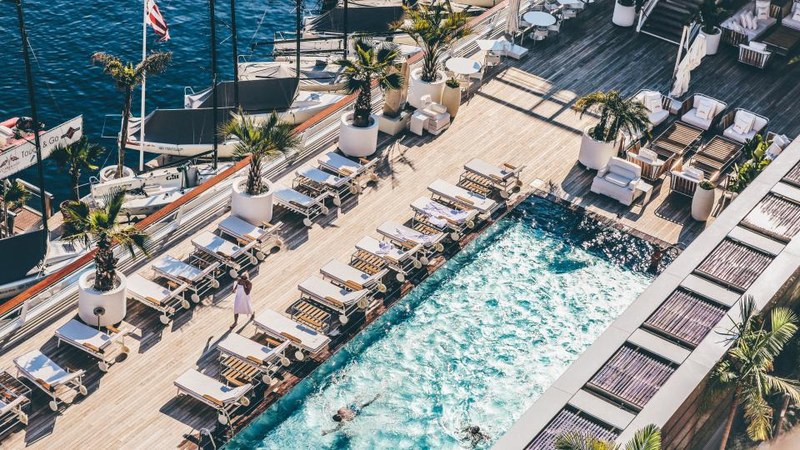
Hilton Greater China has unveiled plans to introduce its lifestyle brand Tempo by Hilton to the Asia-Pacific market, officially entering the Chinese hotel sector. This move joins Tempo with Hilton’s existing brands Canopy by Hilton, Curio Collection by Hilton, Signia by Hilton, and Motto by Hilton to form a five-brand lifestyle portfolio in China. Hilton announced an intention to double its lifestyle hotel presence in the country within the next several years.
Tempo brand rollout and design philosophy in China
First Tempo by Hilton hotels in China will open in key cities including Xiamen, Beijing, Chengdu, and Jiaxing. Originating in January 2020, Tempo targets modern, affluent professionals with
six-figure incomes seeking upscale yet approachable lifestyle accommodations. In North America, Tempo’s nightly rates fall between $150 and $250.
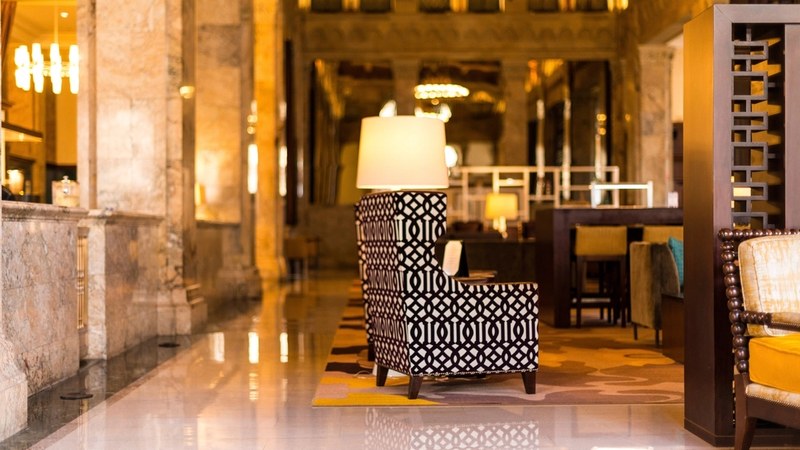
Tempo’s design omits traditional luxury features such as large lobbies, full-service restaurants, and spas. Instead, the brand reinvests in practical guest needs like spacious cloakrooms, illuminated mirrors, premium bedding, quiet rooms, and ergonomic office furniture. The lobby serves as a social hub featuring Moonsong CAFÉ + BAR, shifting from daytime coffee shop to nighttime cocktail bar, enhancing revenue and fostering guest interaction beyond rooms.
Developed jointly with Nelson Worldwide over 14 months, Tempo operates a standardized, scalable hotel prototype aimed at
replicating lifestyle hotels efficiently at large scale, addressing historic challenges of boutique models with slow returns and costly uniqueness.
Competitive positioning within Hilton and against rivals
Tempo targets a similar demographic as Hilton Garden Inn but at a slightly higher price point and trendier image, potentially drawing customers willing to pay more for enhanced lifestyle features. The DoubleTree brand’s recent shift toward cost efficiency has introduced overlap with Tempo’s positioning, with Tempo offering faster investment returns and appealing to younger clientele.
Outside the Hilton portfolio, Tempo faces significant competition from AC Hotels by Marriott, which currently holds a first-mover advantage in China’s select-service lifestyle segment. Both brands
feature similar amenities such as a coffee-by-day, bar-by-night lobby model and comparable pricing in North America.
Local Chinese brands—Atour, Manxin, and Orange Crystal—also present formidable competition. These domestic players hold advantages in scale, cost control, site selection, cultural preferences, and rapid updating of offerings, challenging Tempo’s expansion and brand recognition.
Challenges replicating Hampton by Hilton’s success
Tempo aims to achieve a success level comparable to Hampton by Hilton’s established mid-market presence in China. However, Hampton’s growth benefited from unique conditions: entering China in 2014 when international mid-tier competition was minimal, partnering closely with local giant Jin Jiang International, and capitalizing on investor confidence in the franchising
model.
Tempo will navigate a more crowded and competitive landscape without those exact advantageous factors, making its trajectory uncertain compared to the ‘second Hampton’ narrative.
Hilton’s lifestyle hotel expansion strategy in China
Hilton’s launch of Tempo represents a strategic push to capture the mid-to-upscale lifestyle market segment in China, a space where the company’s portfolio previously lacked a strong competitor. By leveraging a scalable, standardized hotel model and appealing to younger affluent customers, Hilton expects Tempo to complement its luxury and economy brands and meet evolving market demand.
The introduction of Tempo to China confirms Hilton’s broader ambition to accelerate growth in the lifestyle hotel space by
doubling its Chinese portfolio within the coming years, intensifying competition domestically and with international rivals in one of the world’s most dynamic hotel sectors.