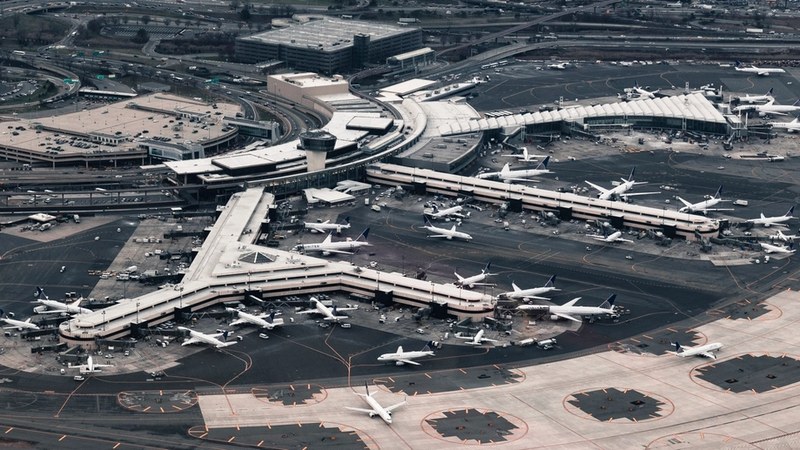
On July 18, 2026, the United States experienced 4,896 flight delays and 126 cancellations at major airports, with Chicago O’Hare reporting the highest disruptions of 801 delays and 17 cancellations. Other heavily impacted airports included Hartsfield-Jackson Atlanta with 420 delays and 16 cancellations, Orlando with 216 delays and 5 cancellations, San Francisco with 213 delays and 7 cancellations, San Diego with 182 delays and 12 cancellations, New York JFK with 115 delays and 4 cancellations, and Newark Liberty with 87 delays and 4 cancellations.
Southwest Airlines reported the greatest number of flight delays, logging 866 delayed flights and 9 cancellations
nationwide. American Airlines faced 850 delays and 11 cancellations, with significant disruptions at hubs such as Dallas-Fort Worth and Chicago O’Hare. Regional carrier SkyWest recorded 434 delays and led airlines in cancellations with 21. United Airlines experienced 434 delays and 4 cancellations mainly at Chicago O’Hare and Newark airports. These disruptions affected flights operated by Frontier Airlines as well.
Causes of Disruptions
The widespread delays and cancellations are attributed primarily to longstanding staffing shortages in Federal Aviation Administration air traffic control. These shortages have lowered the air traffic handling capacity at several major U.S. airports, constraining the flow of flights. Additionally, wildfire smoke
drifting southward from Canada has degraded visibility over parts of the Northeast U.S., particularly around New York metropolitan airports including JFK, LaGuardia, and Newark Liberty. Reduced visibility requires increased spacing between aircraft arrivals and departures, slowing down operations and contributing to cascading delays.
Traveler Impact and Network Effects
Passengers experienced extensive travel disruptions across domestic and international routes due to delays and cancellations. Chicago O’Hare, a critical national hub, registered the highest number of disruptions, which often results in delayed connecting flights across the Midwest and beyond. Delay impacts at other hubs such as Dallas-Fort Worth, Hartsfield-Jackson Atlanta, Orlando, San Francisco, San Diego, New York
JFK, and Newark Liberty compounded traffic congestion and schedule changes. Travelers faced ongoing changes to flight schedules throughout the day as airlines worked on recovery efforts.
Regional Air Quality and Operational Challenges
Hazardous air quality alerts have accompanied the wildfire smoke affecting northeast and mid-Atlantic regions, including New York, New Jersey, the Midwest, and Northeast corridors. These smoky conditions have complicated aviation operations due to decreased visibility and increased demands on air traffic management capacity. The New York metropolitan area, including both JFK and Newark Liberty airports, has been particularly affected, intensifying operational constraints during peak travel periods.
National Aviation Network Under Strain
The U.S. air transportation system, one of the
world’s busiest, suffered from cascading delays as limited runway capacities and staffing shortages at major connecting hubs led to widespread flight disruptions. The network effect of delays originating at hubs like Chicago O’Hare, Dallas-Fort Worth, and Atlanta spread to affect multiple routes crossing Texas, Georgia, Florida, California, New York, and New Jersey. These disruptions underscore systemic vulnerabilities within the national aviation infrastructure amid external factors such as wildfires influencing air traffic operations.