Over 100 flights were cancelled and roughly 660 delayed across Canada on July 17, 2026, affecting operations mainly at Toronto Pearson, Vancouver International, Montreal–Trudeau, and Calgary International airports.
Disruptions Concentrated at Canada’s Main Airport Hubs
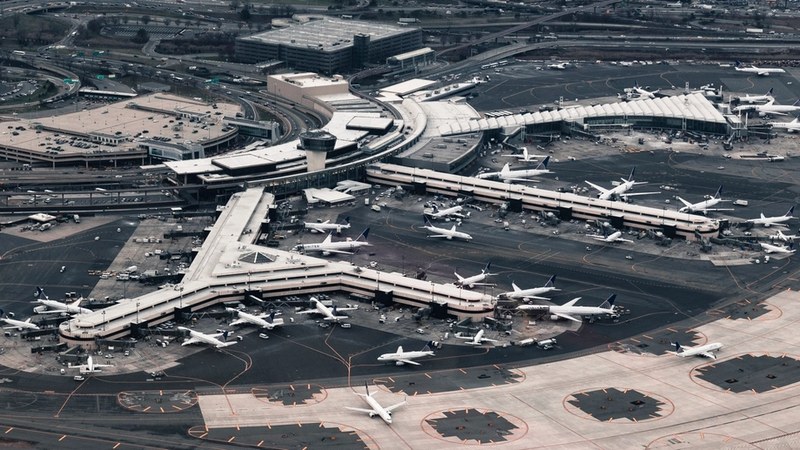
The cancellations and delays were focused at the country’s four busiest airports, which handle the majority of domestic and transborder flights. Toronto Pearson, Vancouver International, Montreal–Trudeau, and Calgary International experienced significant operational strain, leading to ripple effects across the national network.
Impact on Airlines and Routes
Air Canada reported cancellations and extended delays on multiple domestic routes linked to its hubs in Toronto, Montreal, Calgary, and Vancouver. Core routes such as Calgary–Toronto, Calgary–Vancouver, Toronto–Vancouver, and Toronto–Montreal were
notably affected.
WestJet faced delays surpassing one hour on some flights departing from Calgary and Toronto, alongside several cancellations. Their heavy use of Calgary as a hub contributed to disruptions spilling over to other Western Canadian connections.
Porter Airlines had delayed departures on selected routes from Toronto Pearson to Montreal, Ottawa, and regional destinations, tightening connection windows for passengers amid broader network disturbances.
Regional carriers feeding into the main hubs also retimed or downgraded services in response to cancellations and schedule changes, compounding delays for inbound and outbound flights on July 17.
Causes Behind the Disruptions
The day’s flight interruptions resulted from a combination
of structural and transient factors. Airlines have trimmed or reconfigured routes this year due to elevated fuel costs, leading to reduced schedule redundancy and increased vulnerability to disruptions.
Staff shortages in crew availability, ground handling, and maintenance intensified operational pressures during the busy summer travel season. Tight scheduling meant that even early-day setbacks cascaded into widespread late departures and missed connections.
Adverse weather contributed to flow control and ground holds. Summer thunderstorms around Toronto and Montreal and low visibility at Vancouver International led to delays in traffic management, exacerbating operational challenges.
Passenger Experience and Hotel Demand
Travelers faced extended waits at check-in and security lines,
with crowded departure lounges reported across the affected airports. Airlines rebooked many passengers on later flights or alternative routes, sometimes rerouting through different hubs such as Calgary instead of Vancouver or Montreal instead of Toronto.
Narrow options on high-frequency corridors left some passengers missing same-day connections. Many were required to stay overnight, pushing up hotel demand near Toronto Pearson and Vancouver International airports due to stranded travelers seeking accommodations.
Context and Industry Considerations
The cancellations on July 17 significantly exceeded the average low single-digit cancellation rates recorded in Canada’s 2023 federal aviation performance scorecards. The disruptions reflect ongoing challenges in the country’s aviation system
during peak travel periods.
Consumer advocates suggest travelers monitor flight status frequently, choose earlier departures, and allow longer connection times when booking to reduce rebooking difficulties in future disruption scenarios.