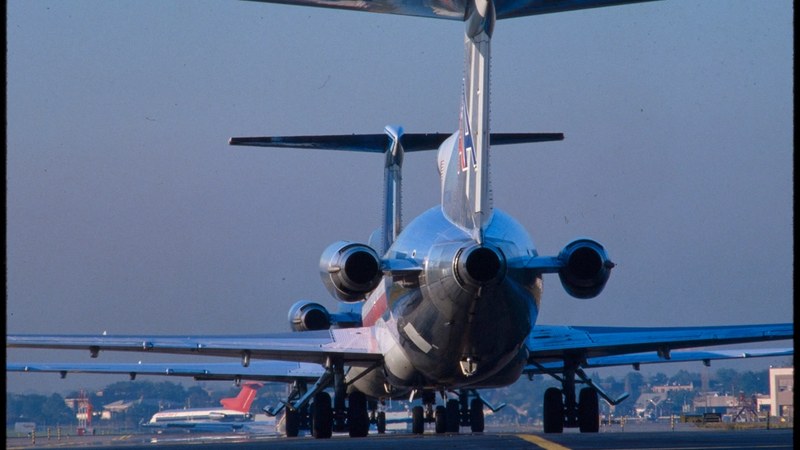
On July 18, 2026, the United States experienced widespread flight disruptions with 4,896 delays and 126 cancellations reported across multiple airports. Chicago O’Hare Airport recorded the highest number of disruptions nationally with 801 delays and 17 cancellations. Other heavily affected airports included Dallas-Fort Worth, Hartsfield-Jackson Atlanta, Orlando International, San Francisco International, San Diego International, John F. Kennedy International Airport (JFK), Newark Liberty International Airport, and Cleveland. Among airlines, Southwest Airlines registered the most delayed flights with 866 delays and 9 cancellations, followed by American Airlines with 850 delays and 11 cancellations, SkyWest Airlines with 434 delays and the highest cancellation
count of 21, and United Airlines with 434 delays and 4 cancellations.
Wildfire Smoke Reduces Visibility and Impacts Flight Operations
A key factor contributing to flight disruptions was wildfire smoke drifting south from active fires in Canada. The smoke reduced visibility particularly in Northeast US airspace, affecting airports in the New York metropolitan area including JFK, LaGuardia, and Newark Liberty. The Federal Aviation Administration mandated increased spacing between arriving and departing aircraft at these airports due to reduced visibility, slowing flight throughput and extending delays. The wildfire smoke also affected air quality in New York and New Jersey, prompting public health advisories.
Delay and Cancellation Figures at Major US Airports
Chicago O’Hare Airport experienced 801 flight
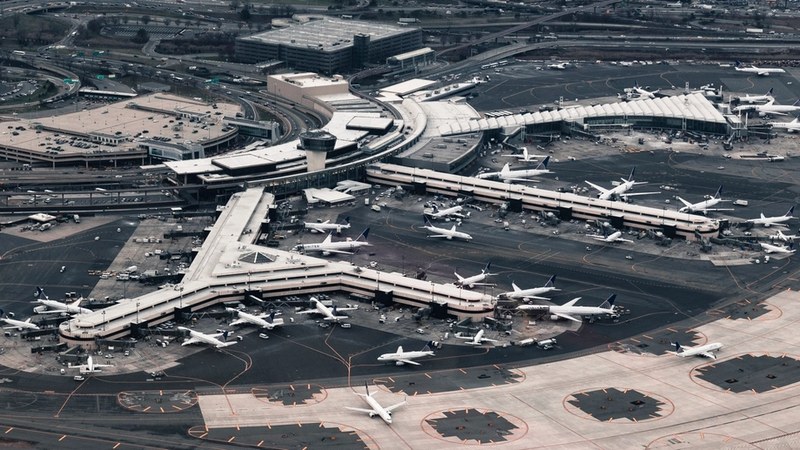
delays and 17 cancellations, making it the worst-impacted airport nationwide. Hartsfield-Jackson Atlanta International Airport recorded 420 delays and 16 cancellations amid heavy passenger traffic. Orlando International Airport reported 216 delays and 5 cancellations, affecting leisure and family travel. San Francisco International Airport saw 213 delays and 7 cancellations, impacting both domestic and international flights. In Southern California, San Diego International Airport logged 182 delays and 12 cancellations. New York City airports operated amid challenging conditions with JFK reporting 115 delays and 4 cancellations, and Newark Liberty International Airport recording 87 delays and 4 cancellations.
Airline Operational Disruptions
Among airlines, Southwest Airlines had 866
delays and 9 cancellations across its domestic network. American Airlines faced 850 delays and 11 cancellations particularly at major hubs including Dallas-Fort Worth and Chicago O’Hare. SkyWest Airlines logged 434 delayed flights and led in cancellations with 21 flights cancelled nationally. United Airlines reported 434 delays and 4 cancellations, affecting flights through hubs such as Chicago O’Hare and Newark. These disruptions reflect operational challenges stemming from airspace limitations and airport congestion at key hubs.
Ripple Effects Across National Air Travel Network and Traveler Advisories
Delays and cancellations at primary connecting points like Chicago O’Hare, Dallas-Fort Worth, Hartsfield-Jackson Atlanta, and New York airports had cascading effects on the broader US aviation
system. Flights delayed at these hubs delayed connections and propagated disruptions nationwide. Travelers flying through these airports faced longer wait times and greater uncertainty as flight schedules fluctuated throughout the day. The ongoing wildfire smoke conditions combined with high passenger volumes contributed to sustained operational slowdowns. Travelers impacted by delays are advised to verify flight status frequently as schedules may continue to change.
Air Quality Advisories and Public Health Concerns
Smoke from Canadian wildfires degraded air quality in several US regions including parts of the Midwest, Mid-Atlantic, and Northeast. Cities such as Chicago and Detroit recorded hazardous air quality index readings prompting public health warnings to limit
outdoor activities. Air quality alerts were also issued in New York and New Jersey. The smoke’s persistence overlapped with major events such as the 2026 FIFA World Cup Final scheduled at MetLife Stadium in New Jersey, raising concerns over outdoor air exposure for the estimated 82,500 spectators expected at the open-air venue.