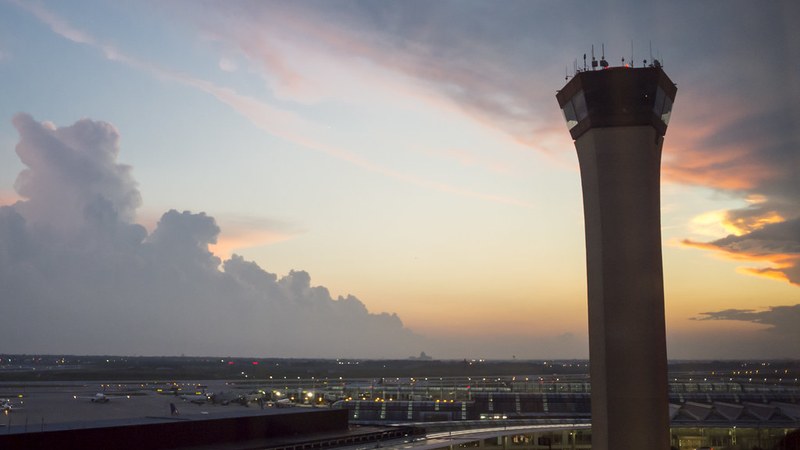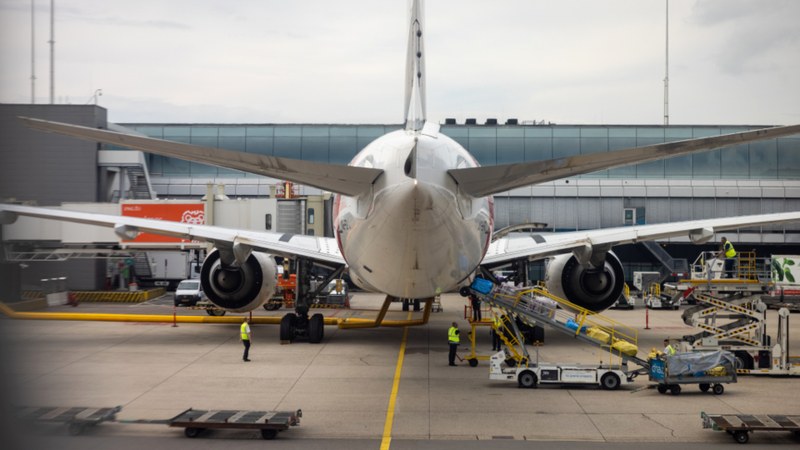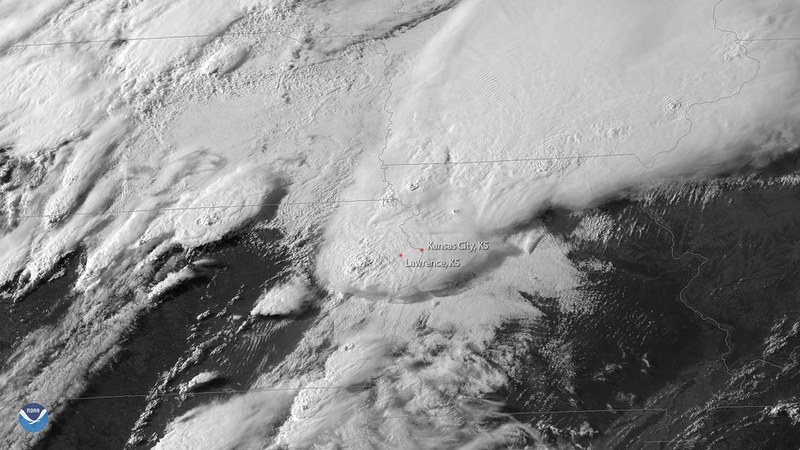
The Federal Aviation Administration (FAA) issued a temporary ground stop at Hartsfield-Jackson Atlanta International Airport on Saturday afternoon, July 12, 2026, due to thunderstorms affecting the region. The halt disrupted departures and arrivals, causing widespread delays and scattered cancellations at one of the world’s busiest airports.
FAA Ground Stop Timing and Weather Conditions
Departures bound for Hartsfield-Jackson were paused starting in the early afternoon, with the ground stop initially lasting until 2:30 p.m. Eastern and then extended until 4 p.m., finally expiring by around 5 p.m. Eastern. The restrictions applied primarily to flights destined for Atlanta, holding aircraft at their origin airports until conditions improved. Thunderstorms over
metro Atlanta and central Georgia reduced airspace capacity and created unsafe conditions in the arrival and departure corridors.
Operational Impact and Flight Disruptions
The ground stop caused a significant backlog of flights waiting on the ground, resulting in cascading delays throughout airline networks. As of approximately 1 p.m., more than 900 flights were delayed with average delays of 40 minutes and maximum delays approaching 75 minutes, according to reports from WSB-TV. Airlines faced congestion on taxiways and gate availability when the ground stop was lifted, further extending recovery times.
Some flights in the air were permitted to continue their approach to Atlanta, but many new
departures were held at origin cities. The surge in demand for takeoff and landing slots after the restriction ended contributed to operational challenges. Airlines rebooked passengers on later flights or rerouted them through other hubs to minimize travel disruption.
Traveler Effects: Delays, Missed Connections, and Rebooking
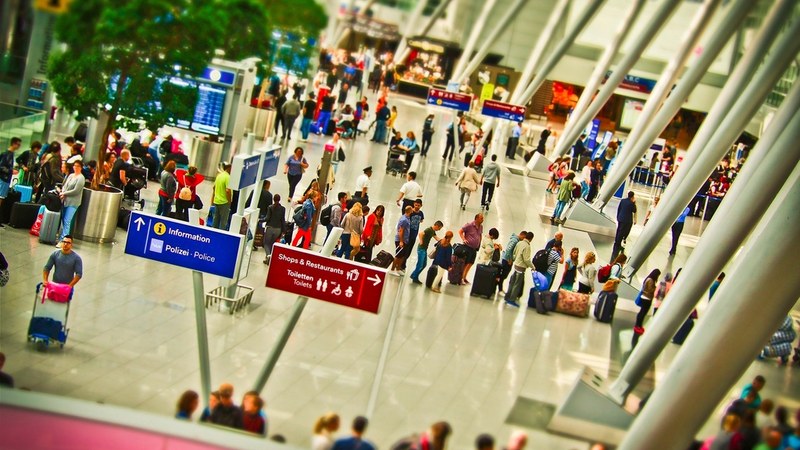
Travelers experienced long waits both on concourses and aboard grounded aircraft. The disruption on a peak summer travel day led to missed connections, especially for passengers linking to smaller Southeast and Midwest cities that rely on Atlanta as a major gateway. Crowded customer service desks and extended rebooking times added to passenger difficulties. Digital tools such as airline apps were crucial
for expedited itinerary changes during the disruption.
FAA Procedures and Safety Rationale for Ground Stops
The FAA uses ground stops as a traffic management tool to align inbound flights with reduced airspace capacity during hazardous storms. Thunderstorms generate lightning, turbulence, and rapid cloud changes along key flight paths that severely limit aircraft handling capacity. Ground stops help avoid aircraft holding patterns in storm-affected airspace and reduce controller workload by spacing arrivals and departures appropriately.
These measures are typically adjusted in real time based on radar and lightning data. When weather conditions improve or move away from critical sectors, the FAA switches from full ground stops to metered arrivals
or ground delay programs to safely increase throughput.
Regional Weather Patterns and Ongoing Thunderstorm Risks
A persistent pattern of hot, humid weather with daily scattered thunderstorms has affected Atlanta and the broader Southeast United States, including other major hubs. A severe thunderstorm watch for eastern Georgia counties extends until 9 p.m. on July 12. This weather setup commonly produces sudden downpours, lightning, and localized severe weather, all of which disrupt airport operations. Meteorologists forecast further scattered or isolated severe storms on Sunday afternoon, which may continue to impact air travel in the region.