The second heatwave in July 2026 is forcing rail networks across the United States and the United Kingdom to implement speed reductions to prevent track damage caused by extreme temperatures. Heat advisories on July 20, 2026, covered large portions of the Midwest, Mid-Atlantic, Northeast United States, and parts of the UK, exposing railway infrastructure to risks of thermal misalignment and track buckling.
US Rail Operators Implement Speed Restrictions
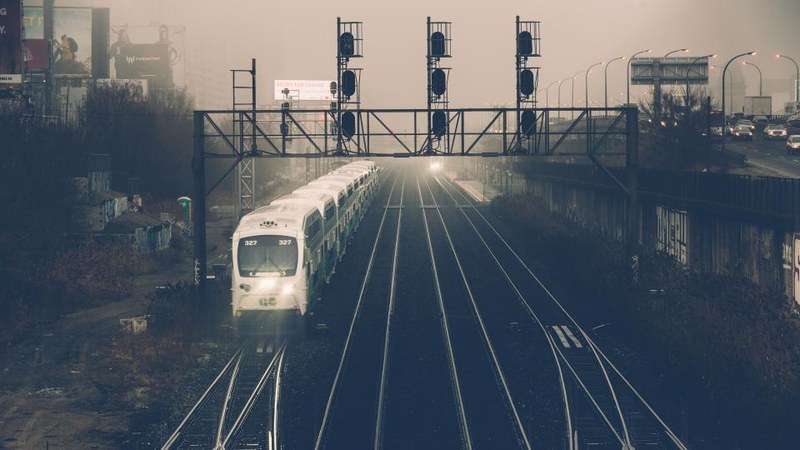
In the Philadelphia region, the Southeastern Pennsylvania Transportation Authority (SEPTA) reduced speeds by approximately 5 to 10 miles per hour on all Regional Rail trains, trolleys, and other rail modes during periods of excessive heat to safeguard track
integrity and prevent overhead wire sagging. These measures are causing minor delays on more than a dozen stations in the area.
Amtrak also imposed speed reductions across the Northeast from Wednesday through Friday, July 20 to 22, 2026, warning of potential delays while maintaining safety and reliable operations. Similarly, the Metropolitan Transportation Authority (MTA) restricted speed on its Metro-North Railroad trains to a maximum of 70 miles per hour during the hot weather period as a safety measure.
Rail Temperature Mitigation by Union Pacific
Union Pacific, which operates across the western two-thirds of the United States, introduced a novel method to reduce rail temperatures by painting
sections of track white in high-heat areas. This reflective coating can lower rail temperatures by around 20 degrees Fahrenheit, reducing the risks posed by thermal expansion. Rod Doerr, Union Pacific’s chief safety officer, explained that when steel rails cannot expand, they can push sideways causing thermal misalignment, a significant safety threat.
Official Statements and Safety Measures
New York Governor Kathy Hochul announced that Long Island Rail Road and Metro-North crews were strategically staged at key locations to respond swiftly to heat-related rail issues, with heat patrols deployed to monitor rail temperatures. An Amtrak spokesperson advised travelers to monitor train status closely as speed reductions during
heatwave hours may lead to delays.
The Southeastern Pennsylvania Transportation Authority stated, “During excessive heat conditions when tracks are more susceptible to damage, SEPTA reduces speeds by approximately 5-10 miles per hour for safety on all of its Regional Rail trains, trolleys, and other rail modes.” The Metropolitan Transportation Authority confirmed, “Metro-North Railroad has implemented speed reductions: trains are not exceeding 70 mph.”
The National Weather Service issued warnings on July 20, 2026, urging residents in affected regions to stay hydrated, take breaks, and limit outdoor activity to mitigate heat risks.
Passenger Impacts and Safety Advisories
Passengers using rail services in affected US regions should
anticipate extended journey times due to speed restrictions imposed to maintain track safety. Delays are expected particularly around Philadelphia’s regional network and along Metro-North Railroad routes. Rail operators recommend monitoring train status frequently during this period.
Heatwave Context and Infrastructure Challenges
Steel rails expand under high temperatures, and without room to expand, they can buckle or misalign, creating safety hazards. Overhead wires may sag under heat stress, further complicating rail operations. In addition to rail lines, extreme heat threatens other infrastructure such as pavements, bridges, and electrical grids.
Experts link the increasing frequency and intensity of heatwaves, including those in July 2026, to climate change.
The World Meteorological Organization reported in January 2026 that 2025 ranked among the three warmest years on record, with the past 11 years being the hottest in the modern era.