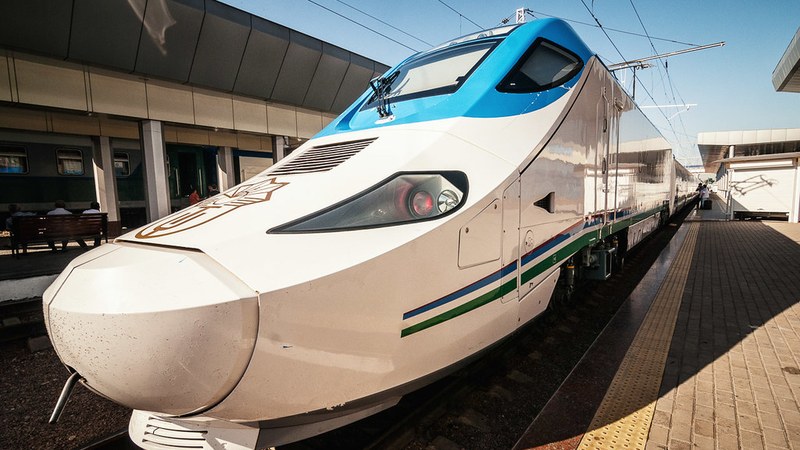
Indian Railways inaugurated two new Vande Bharat Sleeper train services connecting Mumbai to Bengaluru and Delhi to Varanasi. The Mumbai-Bengaluru Vande Bharat Sleeper began operations on October 31, 2026, while the Delhi-Varanasi service started on November 1, 2026. These trains offer faster overnight travel between key economic and cultural centres.
Mumbai-Bengaluru Route and Schedule
The Mumbai-Bengaluru Vande Bharat Sleeper departs from Mumbai’s Chhatrapati Shivaji Maharaj Terminus (CSMT) at 8:10pm, arriving at Sir M Visvesvaraya Terminal (SMVT) Bengaluru at 11:55am the following day. The return journey leaves Bengaluru at 7:50pm and reaches Mumbai at 11:55am the next day. The train travels through major stops including
Kalyan, Pune, Solapur, Kalaburagi, Raichur, Guntakal, and Anantapur.
This service covers the approximately 1,000 km distance in 15 hours and 45 minutes, improving travel time by over six hours compared with the existing Udyan Express, which takes more than 22 hours. Two Vande Bharat Sleeper trainsets are allotted for this route, with trial runs recording speeds up to 160 km/h.
Delhi-Varanasi Route and Schedule
The Delhi-Varanasi Vande Bharat sleeper train connects Varanasi with New Delhi, stopping at Prayagraj and Kanpur. Train number 27421 departs from Varanasi at 8:50pm, reaches Prayagraj Junction at 10:35pm for a 5-minute halt, leaves at 10:40pm, stops at Kanpur Central
at 12:40am, and arrives in New Delhi at 5:55am. The return train, 27422, leaves New Delhi at 9:40pm, reaches Prayagraj at 4:45am with a 5-minute halt, and arrives back at Varanasi at 6:45am.
The service operates six days a week with Saturdays off, supporting overnight connectivity for pilgrims, business travelers, students, and tourists on this route.
Fare Structure and Ticketing
Vande Bharat Sleeper trains charge fares based on distance, ranging from Rs 2.40 to Rs 3.80 per passenger per kilometre excluding GST. The third air-conditioned class (3AC) fare is Rs 2.40 per km, making a 1,000 km journey roughly Rs 2,400 before taxes. These
rates are considerably below international overnight train fares in countries like China, Japan, and France, where the cost per km ranges between Rs 7 and Rs 20.
The trains follow an all-inclusive fare model without Reservation Against Cancellation (RAC) tickets. Passengers on the waiting list are confirmed only when cancellations occur, ensuring a confirmed seat for each traveler once tickets are booked.
Passenger Reservations and Catering
Special reservation quotas are allocated within the sleeper train coaches. Lower berths are earmarked for senior citizens, women aged 45 and above, pregnant women, persons with disabilities, and their attendants. Each sleeper class coach offers six to seven
reserved lower berths; 3AC coaches have four to five lower berth allocations; and 2AC coaches have three to four such berths.
The Indian Railway Catering and Tourism Corporation (IRCTC) is collaborating to finalize the onboard food menu for the Mumbai-Bengaluru Vande Bharat Sleeper service, expected to include regional cuisine to enhance passenger experience.
Background and Network Expansion
The launch of these services expands the Vande Bharat Sleeper network beyond the original Howrah-Kamakhya route, inaugurated in January 2026. These new trains aim to address the demand for faster overnight travel among business professionals, students, pilgrims, and tourists across India.
Union Minister Ashwini Vaishnaw provided details
in the Lok Sabha about the fares, reservation policies, and scheduled services as Indian Railways continues to offer modernized overnight options connecting important economic and religious hubs.