Suspension of Visa Bonds Facilitates Travel for American Fans
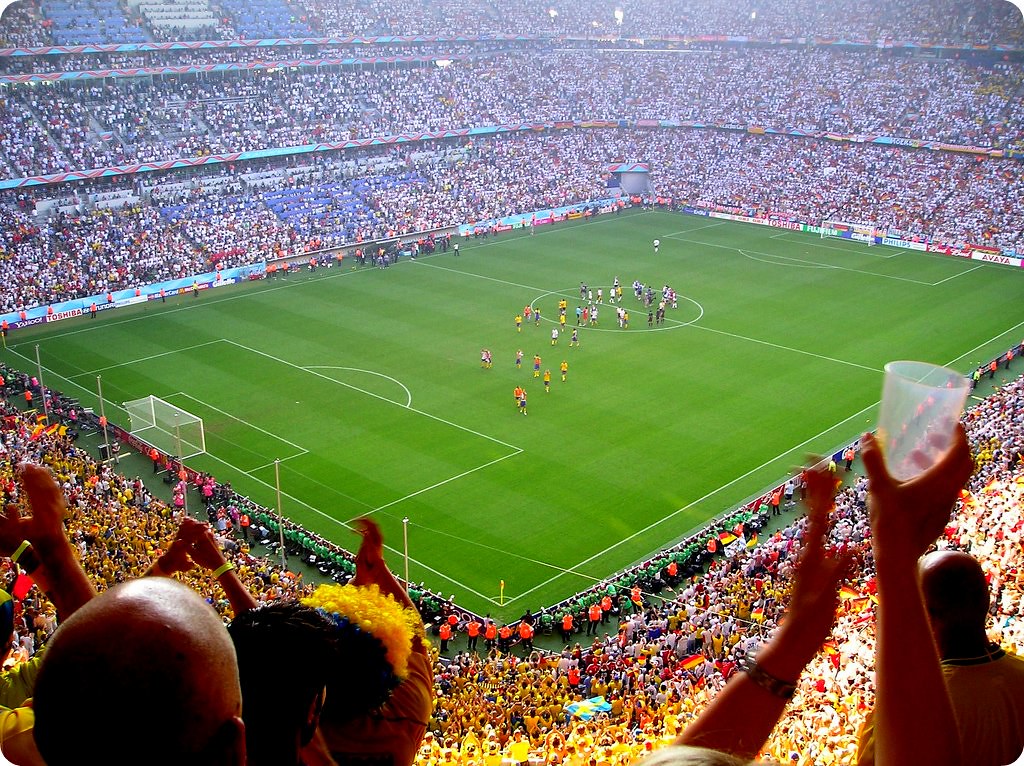
As excitement builds towards the 2026 FIFA World Cup hosted across North America, recent developments indicate smoother international travel experiences for American soccer enthusiasts. The U.S. Travel Association has expressed support for the suspension of visa bonds requirements for World Cup fans, an administrative change intended to ease entry processes during the tournament. While exact implementation details remain forthcoming, this initiative is seen as a positive move that may significantly reduce procedural barriers faced by travelers.
Visa bonds, which function as financial guarantees ensuring visa compliance, have traditionally posed additional challenges for certain international visitors. The suspension specifically aims at
simplifying access for fans attending World Cup events in the United States, aligning with broader goals to foster an inclusive and welcoming environment throughout the competition.
Potential Impact on the Hospitality Industry
This policy adjustment is anticipated to generate favorable ripple effects across the U.S. hospitality industry, a sector poised to welcome large volumes of visitors during the extended World Cup tournament. By removing visa bond obstacles, organizers and travel service providers expect a smoother influx of international attendees, which could enhance occupancy rates in hotels, increase patronage across restaurants, and stimulate revenue for local tourism attractions.
The U.S. Travel Association’s backing underscores a broader commitment
to strengthening American travel infrastructure in response to major global events. With heightened international visibility and visitor demand, hospitality operators stand to benefit not only from increased bookings but also from improved guest experiences, bolstered by more straightforward entry procedures.
Broader Implications for Travel Logistics and Visitor Experiences
Adjustments to visa bond policies may also alleviate logistical pressures on airports, customs, and border protection agencies, potentially leading to expedited processing times and less congestion during peak influx periods aligned with match schedules. For American travelers attending the World Cup, these changes could translate into reduced wait times and a more efficient journey from arrival to event attendance.
While
specific numbers impacted have not been disclosed, the anticipated volume of international visitors places considerable importance on streamlined entry protocols. Government entities, travel bodies, and hospitality stakeholders are collaboratively preparing for a surge in demand, making the visa bonds suspension a key enabler of seamless travel experiences.
Travel Tips for Attendees Ahead of the 2026 FIFA World Cup
Travelers planning to attend World Cup matches in the U.S. should stay informed about evolving visa and travel requirements as event dates approach. Although the visa bond suspension is welcomed, visitors remain responsible for ensuring all other visa and identification documents are in order before traveling.
It is advisable for prospective attendees to
consult official government sources and trusted travel partners for the latest updates. Early planning regarding accommodation and transportation can further enhance the overall experience, given the anticipated high demand within host cities.
As preparations continue, both fans and service providers are encouraged to maintain flexibility, monitor announcements from the U.S. Travel Association and related authorities, and approach World Cup travel logistics proactively to fully benefit from the support measures in place.
The easing of visa bond requirements marks a constructive stride toward facilitating international sports tourism, exemplifying how targeted policy decisions can complement wider hospitality sector objectives during major events.
With the 2026 FIFA World Cup fast approaching, these efforts collectively aim to shape an accessible, vibrant, and hospitable atmosphere for all attendees.