Virgin Group announced plans to operate new high-speed trains between the United Kingdom and continental Europe starting October 1, 2030. The company intends to run up to 20 round-trip services daily connecting London with Paris, Brussels, and Amsterdam through the Channel Tunnel, which spans roughly 31 miles under the English Channel.
Alstom to Build 12 High-Speed Trains for Virgin
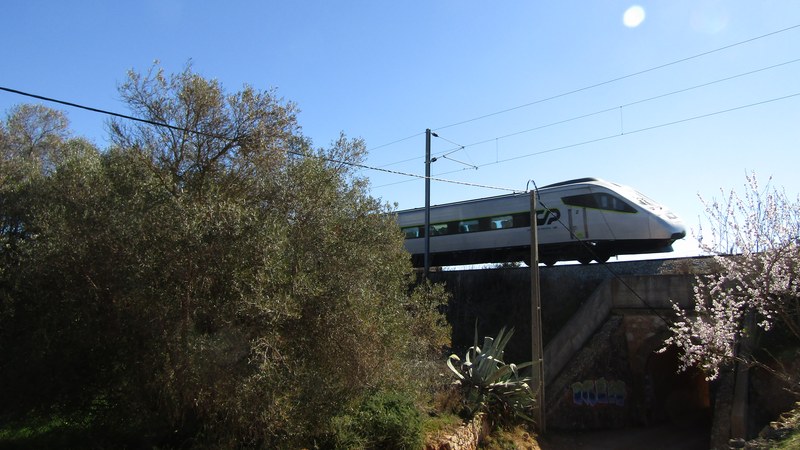
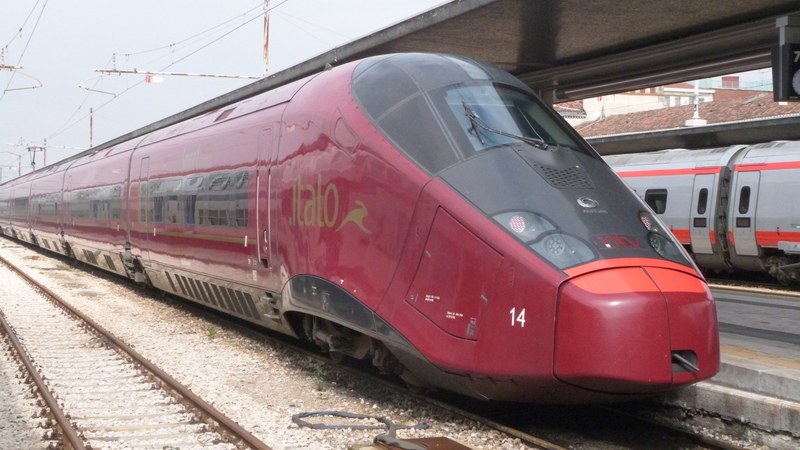
Virgin has contracted French manufacturer Alstom to build 12 Avelia Stream high-speed trains in Italy, designed to reach speeds of approximately 186 miles per hour. The trains’ designs draw inspiration from Virgin Atlantic Clubhouses, Virgin Voyages cruise line, and Virgin Hotels to enhance passenger comfort and onboard experience. Accessibility
features are planned from the outset to ensure inclusive travel.
Routes and Market Competition
The new Virgin service will operate on routes linking London to Paris, Brussels, and Amsterdam, providing direct competition to Eurostar, which currently operates these routes plus additional connections to Rotterdam and Cologne. Italy’s Trenitalia is another operator pursuing cross-Channel rail services. Virgin’s entry will add nearly 7.5 million seats annually to these corridors.
Passenger Benefits and Service Integration
Passengers using Virgin’s rail services will be able to earn and redeem Virgin Points through the Virgin Red loyalty platform on train journeys and related travel experiences. Virgin is also exploring options to integrate these rail connections
with Virgin Atlantic flights, facilitating smoother travel from the UK to continental Europe. The company secured access to a maintenance facility in East London for its new train fleet.
Virgin Group’s Vision for Cross-Channel Travel
Virgin Group CEO Josh Bayliss said the trains will provide “a distinctive new choice in cross-Channel travel,” aiming to make “the journey something to look forward to as much as the destination.” Regulatory approval for Virgin to operate on the UK high-speed network was granted in August 2026 for services starting from October 1, 2030. Full operation depends on further approvals outside the UK and successful train construction and certification.