Tourism Momentum Building Around FIFA World Cup 2026
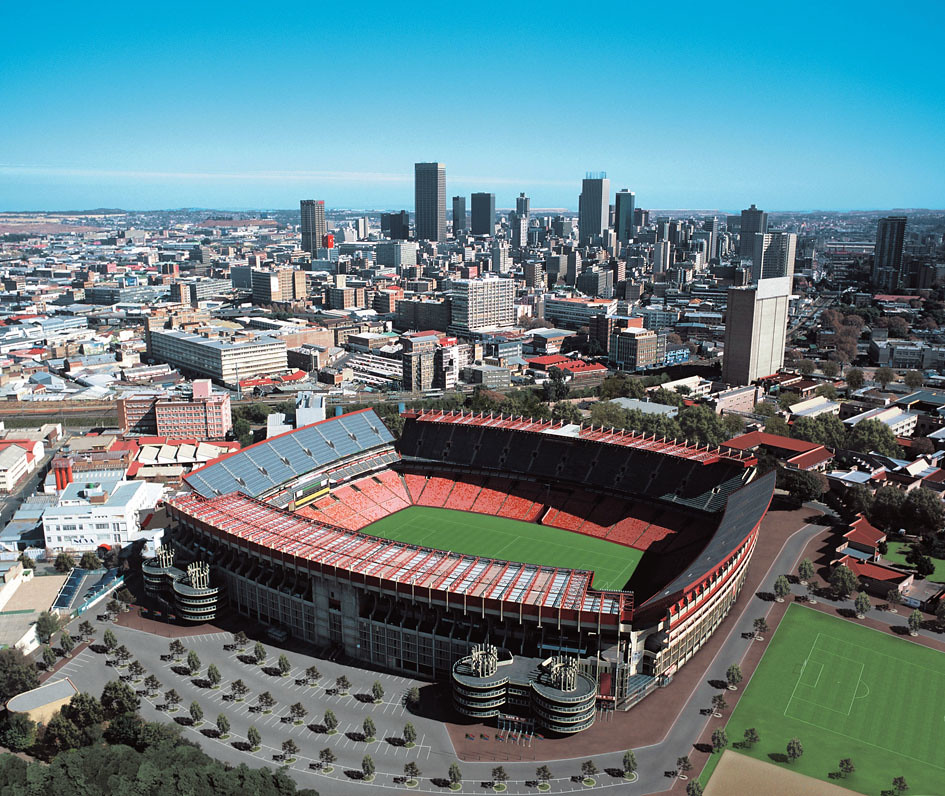
The upcoming FIFA World Cup 2026, jointly hosted by the United States and Canada, is generating strong anticipation across the North American travel and tourism sectors. As one of the world’s most widely viewed sporting events, the tournament is expected to attract a broad influx of international visitors, increasing occupancy rates in hotels, amplifying demand for local transportation, and elevating foot traffic at popular destinations and venues.
Although exact visitor counts have not been disclosed, industry experts foresee a notable spike in tourism activity in host cities and surrounding regions. This momentum is prompting hospitality providers, tourism operators, and city
planners to prepare for heightened capacity needs and enhanced service delivery to accommodate both the surge in international visitors and domestic travelers moving within the continent.
Complementary Cultural Attractions Boosting Travel Demand
Adding to the World Cup-driven travel surge, significant cultural initiatives such as the Route 66 celebrations and the America250 events are poised to reshape visitor patterns across the United States. Route 66 commemorations highlight the historic and cultural significance of the iconic highway, attracting nostalgia-driven interest and road trip enthusiasts.
Meanwhile, America250 events, marking key national milestones, are expected to deepen engagement with American heritage through a variety of community and cultural programs. Together,
these celebrations contribute additional tourism interest beyond traditional sports fans, broadening the appeal to diverse traveler segments.
For Canada, while the World Cup represents a core draw, synergy with these regional cultural festivities augments the overall tourism portfolio, encouraging travelers to extend stays and explore a wider range of attractions and experiences.
Implications for Travelers and the Hospitality Industry
Travelers heading to the US and Canada during this period should anticipate busier venues, increased pricing in certain sectors, and competitive demand for accommodations and event-related services. Planning ahead becomes critical as hospitality businesses ramp up offerings and operational capacity to meet the influx of visitors.
Service providers
across transportation, food and beverage, and entertainment sectors are expected to adjust operations to capture the opportunity presented by this tourism boom. For leisure travelers and sports fans alike, early bookings and flexible itinerary management can help mitigate congestion challenges and secure preferred experiences.
Sustained Tourism Opportunities Beyond the World Cup
The convergence of the FIFA World Cup 2026 with iconic cultural celebrations like Route 66 milestones and America250 programs suggests a multifaceted tourism spike not limited to just the event’s duration. This blending of sport and culture underlines evolving tourism dynamics in North America, promising commercial benefits for a wide range of travel stakeholders.
Stakeholders should
closely monitor evolving traveler patterns and maintain agile strategies to capitalize on the extended tourism interest. Cities and regions involved have a significant opportunity to showcase their unique heritage and infrastructure during this high-profile period, potentially setting new standards for large-scale event tourism management.
As preparations progress, both travelers and businesses are advised to remain informed and adaptable amid an evolving tourism landscape shaped by one of the biggest sporting events in recent history integrated with notable cultural festivities.