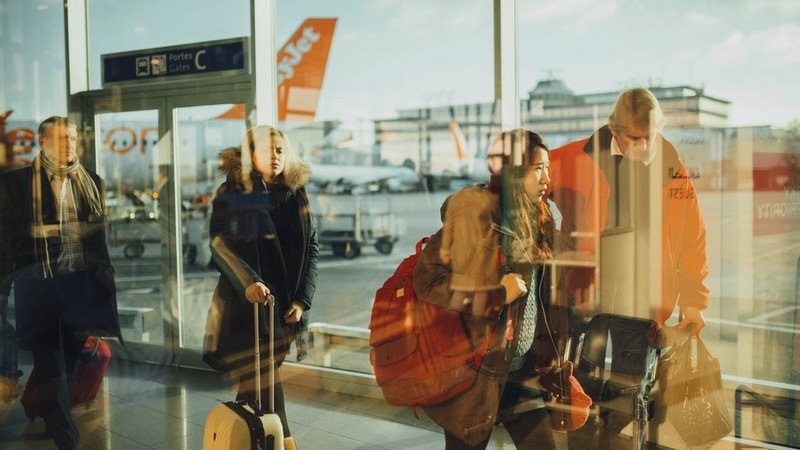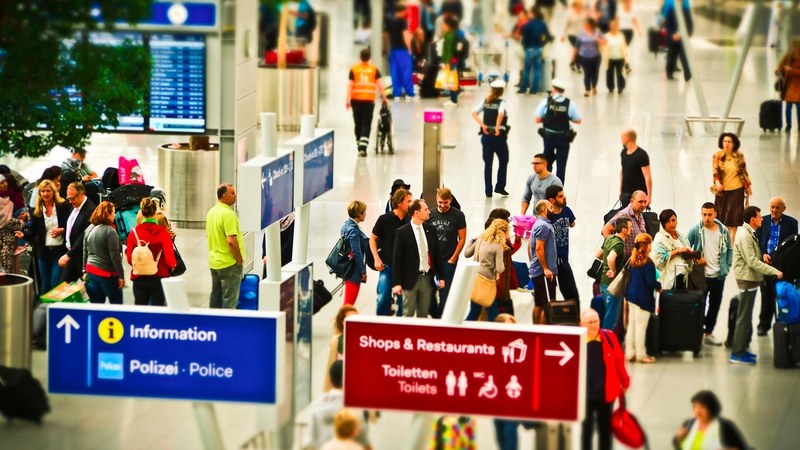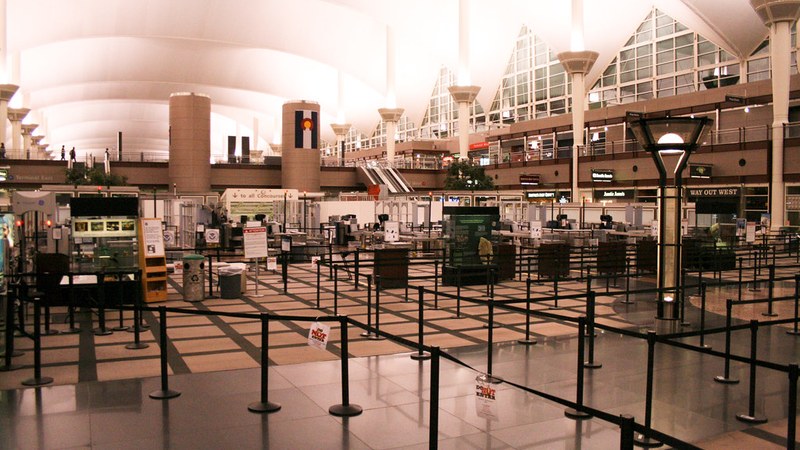
At least 34 flights across Europe experienced disruptions due to bomb threats during 2-5 November 2026, with 25 of those threats occurring on Thursday, 5 November, spanning multiple countries including Italy, Ireland, the UK, Spain, Bulgaria, Romania, Poland, Finland, Austria, Denmark, Belgium, Portugal, France, Greece, Serbia, and Czechia.
Airlines and Flight Diversions Amid Bomb Threats
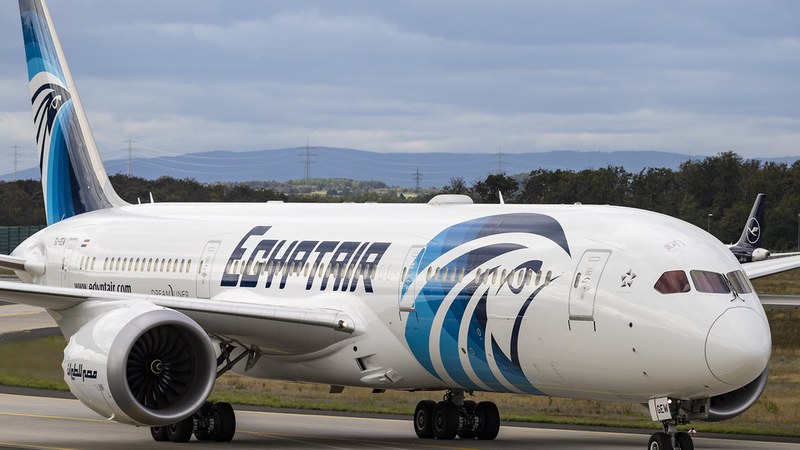
Flights operated by Ryanair, Aer Lingus, Wizz Air, Finnair, easyJet, Aegean Airlines, Iberia, Sky Express, Air Serbia, and LOT Polish Airlines were impacted. Notable disruptions include a Ryanair flight from London Stansted delayed due to a phone bomb threat at Cork airport, and another Ryanair flight from Pescara, Italy to Brussels-Charleroi inspected
after the word “bomb” was written in an onboard toilet. Aer Lingus diverted a Dublin to Rome flight to Évreux, France, where the pilot was questioned after initially refusing a military base landing. Additionally, a UK to Bulgaria flight diverted on Monday following a bomb threat.
UK airports Heathrow and Birmingham received overnight bomb threats classified as hoaxes. The Metropolitan police’s aviation police command assessed four threats against Heathrow flights and found no security issues. Seven flights on 3 November also faced diversions or searches.
Origins and Content of Bomb Threats
Bomb threat emails sent to airports in Rome and Sofia were signed by the “fighters
of the Male State”, a Russian far-right extremist group founded in 2016 by Vladislav Pozdnyakov. The emails declared: “We, the fighters of the Male State, will make history with our actions today. Your feminist regime will remember this forever. The explosion will occur in 60 minutes. Today, your skies will turn red.” Authorities continue to investigate but have found no evidence linking the threats to hostile terror groups or state actors as of the reporting date.
Official Responses and Security Assessments
Nick Careen, Senior Vice-President for Operations, Safety and Security at IATA, affirmed, “Safety is the number one priority for the industry and we take
all threats seriously.” The Metropolitan police’s aviation command confirmed no security issues were identified after evaluating threats against Heathrow flights. EU Transport Commissioner Apostolos Tzitzikostas condemned threats against civilians but stated it was too early to link the incidents.
Italian Defence Minister Guido Crosetto described the disruptions as “under-threshold warfare” aiming to evade blame and escalate tensions. He said, “It seems to me that every day now, from refrigerators to blood supplies in France, to these fake alarms, there’s someone who has an interest in stoking tensions.” A UK transport minister characterized the bomb threats as malicious hoaxes activating established
threat response procedures.
Context of Threats and Aviation Security Implications
The bomb threat disruptions coincided with cyber-attacks against European infrastructure, including supermarket refrigeration systems. The European air traffic control agency Eurocontrol reported that despite the 25 threats on 5 November, only a small fraction of 27,400 flights scheduled across Europe that day were affected. Aviation experts indicate that fake threats arise daily, but coordinated hoaxes on this scale are unusual.
Available detailed airline operation information online potentially aids perpetrators in crafting specific threats. Security protocols, including aircraft searches and diversions, were implemented, increasing delays but preventing security breaches.
Passenger Impact and Safety Outcomes
Passengers on at least 34 flights faced diversions, emergency
landings, or security searches, resulting in travel delays across multiple carriers and routes. Despite disruptions, all affected flights landed safely with no explosives or dangerous materials found. Knock-on effects caused flight delays on some routes but did not significantly disrupt overall European air traffic volume.