Water levels on the Rhine River have dropped to historic lows amid prolonged heat and drought across Europe. On August 14th, a river gauge at Kaub, a critical bottleneck on the Middle Rhine, registered approximately 10 centimetres, below the previous 2018 record. Subsequent measurements indicated even lower levels, signaling extreme shallow conditions.
Navigation Halted at Kaub; Commercial Shipping Impacted
Navigation through Kaub has become impossible for many vessels due to severely reduced water depth. This disruption has effectively halted commercial shipping on affected Middle Rhine sections. German shipping organisations have warned that if water levels continue to fall, the Rhine could split into navigable and non-navigable stretches,
further complicating freight and passenger transport.
River Cruise Operators Alter Itineraries and Deploy Vessel Substitutions
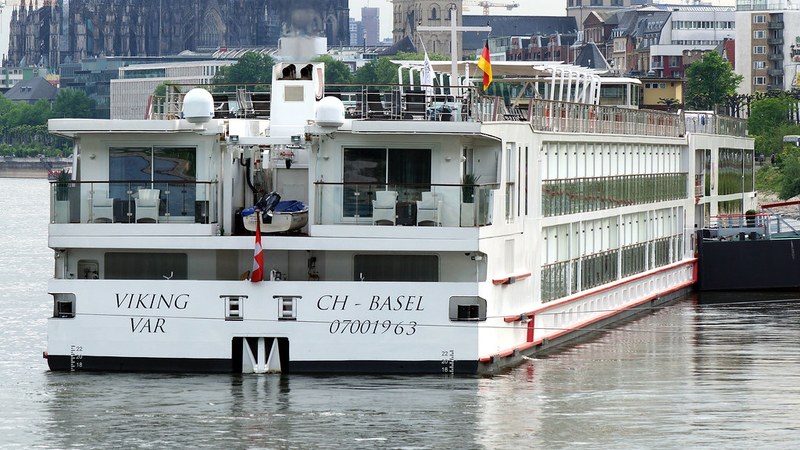
Riviera Travel has canceled 10 departures and modified six itineraries on the Rhine, Danube, Moselle, and Main rivers as a direct response to low water conditions. The company has implemented a combination of itinerary changes, ship substitutions, and cancellations based on vessel draft and local river status. Uniworld has also substituted vessels on affected Rhine routes to maintain service where possible.
Passenger Adjustments Include Ship Swaps and Coach Transfers
River cruise passengers face varied impacts, including itinerary modifications, ship changes, and coach transfers. Operators have also adjusted embarkation and disembarkation points to navigate around impassable river sections. Depending on the draft and
position of individual vessels, some cruises continue despite severe conditions elsewhere, while others require alternative land transport arrangements.
Freight Operations Reduce Loads; Cargo Diverted to Road and Rail
Freight vessels still navigating parts of the Rhine are operating with significantly reduced loads. The ongoing river restrictions have forced increased cargo diversion to road and rail networks, adding strain to European logistics. The Rhine remains a major corridor for industrial freight, making these adaptations critical amid navigation constraints.
Continuous Monitoring and Weather-Dependent Outlook
Cruise companies are closely monitoring river gauge readings, particularly at critical points such as Kaub, along with weather forecasts to assess water level recovery potential. Future decisions on scheduled departures for late August
and beyond hinge on rainfall and consequent rise in river levels.