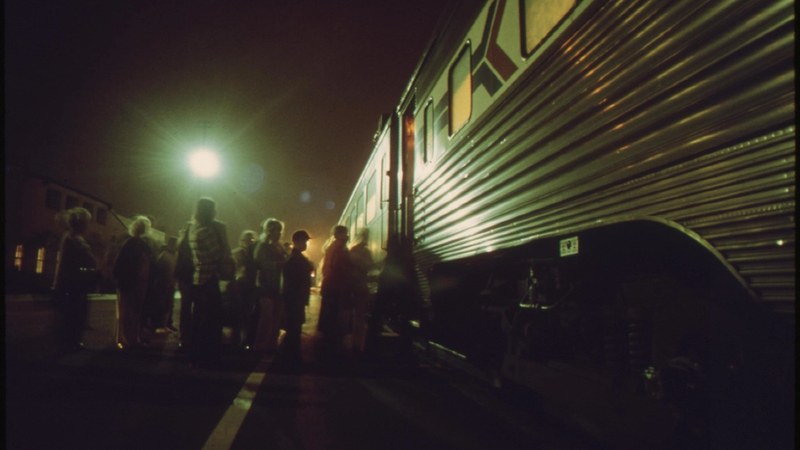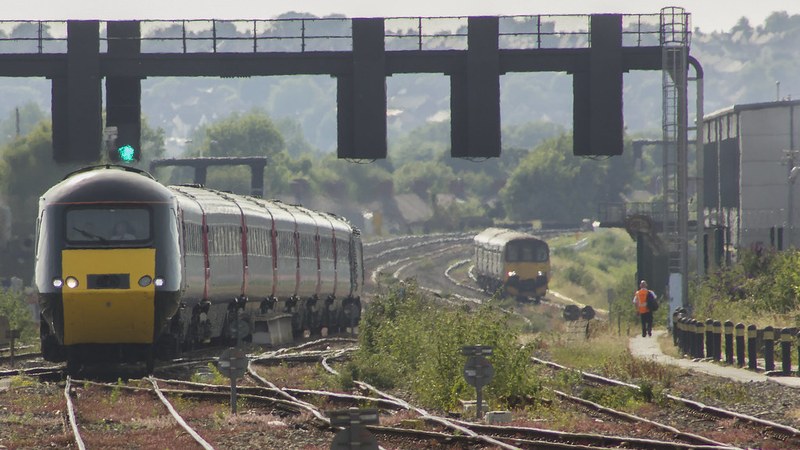
South Western Railway announced timetable changes effective Monday, 10 August 2026, reducing train services to one every two hours between Yeovil and Exeter St Davids. Journey times between London Waterloo and Exeter will increase by up to 27 minutes due to imposed speed reductions on the West of England line.
Network Rail Implements Early August Speed Restrictions Across Eastern England
Network Rail introduced speed limits and altered timetables starting Wednesday, 3 August 2026, affecting multiple operators in eastern England. Routes served by Great Northern in Cambridgeshire and Norfolk, Greater Anglia and c2c in Essex, as well as the eastern section of the Elizabeth line from London, will experience late-night service
reductions and timetable changes until ground conditions improve.
Great Northern adjusted its timetable on 3 August for services to and from King’s Lynn in Norfolk. Greater Anglia plans to modify evening Essex services and deploy rail replacement buses. Certain late c2c trains to Shoeburyness will run on changed schedules. The Elizabeth line will operate a reduced service between 11 pm and midnight on specific dates between Gidea Park and Shenfield.
Soil Moisture Deficit Caused by Heatwave Initiates Track Stability Issues
The rail disruption is a response to soil moisture deficit (SMD), triggered by low rainfall in spring compounded by the fourth heatwave hitting the UK in 2026. Clay soils underpinning
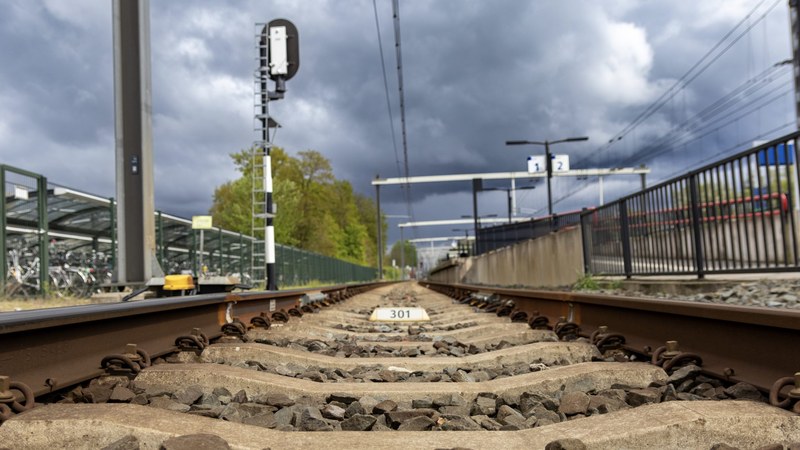
many rail embankments shrink as moisture evaporates, causing track geometry distortions such as sleepers dropping or shifting, which threaten train safety.
These shifts in track alignment require speed restrictions while repairs and monitoring are ongoing. South Western Railway’s West of England line is notably vulnerable, having experienced similar interventions last year following extended dry spells.
Maintenance Measures Including Ballast and Tamping to Stabilize Tracks
Network Rail engineers are using tamping machines to lift tracks and insert stone ballast to create solid foundations and reduce the impact of soil shrinkage. In 2026, approximately 49,000 tonnes of ballast are expected to be laid across vulnerable routes. Last year, tampers treated about
62 miles (100 km) of track in the Anglia region to combat dried soil effects.
Official Statements and Passenger Impact
Lawrence Bowman, managing director of South Western Railway and Network Rail Wessex, said, “Extreme weather events are becoming increasingly common, and this is the second year in a row that prolonged hot, dry weather has affected our network.” He added that investments in route strengthening and embankment work since last summer have reduced journey time increases by about 30 minutes compared to 2025’s disruptions while keeping services safe.
Passengers using South Western Railway between London Waterloo and Exeter should expect journeys extended by up to
27 minutes due to speed restrictions. On the Yeovil to Exeter segment, service frequency is cut to one train every two hours. Travelers on Great Northern, Greater Anglia, c2c, and the Elizabeth line can expect timetable changes, slower services, and some replacement buses during evening hours.