Hilton has introduced Tempo by Hilton, its lifestyle hotel brand, to the Asia-Pacific market including China. This addition completes Hilton’s suite of five lifestyle brands in China: Canopy by Hilton, Curio Collection, Signia, Motto, and Tempo. Hilton intends to double the number of its lifestyle hotels in China in the next few years.
Tempo Brand Positioning and Design Concept
Tempo by Hilton targets modern successful professionals with six-figure annual incomes, offering upscale yet approachable accommodations. In North America, rates range between $150 and $250 per night. The brand adopts a “lightweight lifestyle” approach, minimizing large facilities such as spas and full-service dining to invest in customer-focused
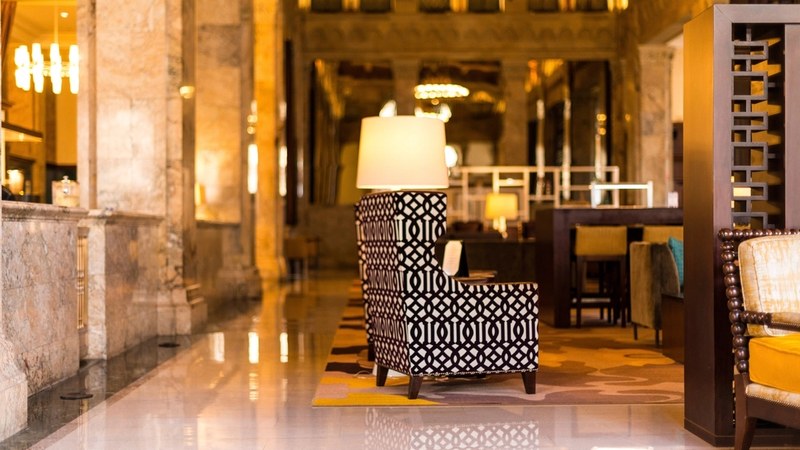
features like spacious cloakrooms, oversized illuminated mirrors, premium bedding, quiet rooms, and ergonomic office furniture. Tempo transforms traditional hotel lobbies into social spaces with a low, communal table serving as the front desk and a Moonsong CAFÉ + BAR operating as a coffee shop by day and bar by night, encouraging guest interaction and ancillary revenue.
Standardized Prototype Enables Scalability
Developed over 14 months with design firm Nelson Worldwide, Tempo’s prototype employs standardized elements to enable large-scale replication. This scalable model addresses challenges typical in lifestyle hotels, which often face slow returns due to unique, location-specific designs. Hilton positions Tempo as a solution combining
appealing design to younger, affluent consumers with a replicable operational system attractive to investors seeking quicker returns.
Competitive Landscape in China
Tempo will compete internally within Hilton’s portfolio against brands like Hilton Garden Inn and DoubleTree Hotels, the latter having introduced a cost-efficient “Dacheng version” catering to similar mid-market segments. Externally, Tempo faces established rivals such as AC Hotels by Marriott, which holds a first-mover advantage in China’s select-service lifestyle segment, and strong local Chinese brands including Atour, Manxin, and Orange Crystal, all owning substantial scale, cost control, and brand recognition.
Comparing Tempo to Hampton by Hilton
Tempo aims to replicate aspects of the mid-scale success Hampton by Hilton achieved
in China since its 2014 market entry, which was boosted by timely entry, partnership with Jin Jiang International, and first-mover advantage. However, Tempo confronts a more fragmented and competitive mid-to-upscale hospitality sector in China, requiring proof of deeper market insight, scalability, and profitability to secure a foothold.
Tempo’s initial openings in China are planned for Xiamen, Beijing, Chengdu, and Jiaxing, signaling Hilton’s strategic focus on key urban centers. The brand seeks to fill a gap in Hilton’s mid-to-upscale lifestyle offering, balancing design, comfort, and pricing without luxury premiums.
Strategic Goals for Tempo’s Expansion
Hilton envisions Tempo reinforcing its mid-market presence by attracting younger middle-class Chinese
professionals with design-centric preferences. The brand’s scalable model aims to boost Hilton’s lifestyle hotel portfolio in China, filling the segment between luxury flagships and economy brands. By focusing on replicability and customer-centric features, Hilton targets growth and profitability in a segment led domestically by Chinese lifestyle hotel brands and internationally by Marriott’s AC Hotels.