Hantavirus Case on Cruise Ship Prompts Heightened Global Health Vigilance
A recent health alert has been issued following the confirmation of a hantavirus case aboard a cruise ship shortly before its docking in Rotterdam. This development has prompted port authorities to intensify health inspections and disinfection procedures in efforts to mitigate any further risk of exposure. The incident has attracted significant attention from the international travel industry, with implications especially noted for U.S. travelers planning cruises with European port calls.
Hantavirus, a viral infection typically associated with exposure to rodent excreta, is not commonly linked to cruise environments. However, given the close quarters aboard ships and the varied ecosystems visited
during itineraries, health officials have underscored the necessity of rigorous preventative protocols to safeguard passenger wellbeing worldwide.
Rotterdam Accelerates Cruise Ship Disinfection and Inspection Efforts
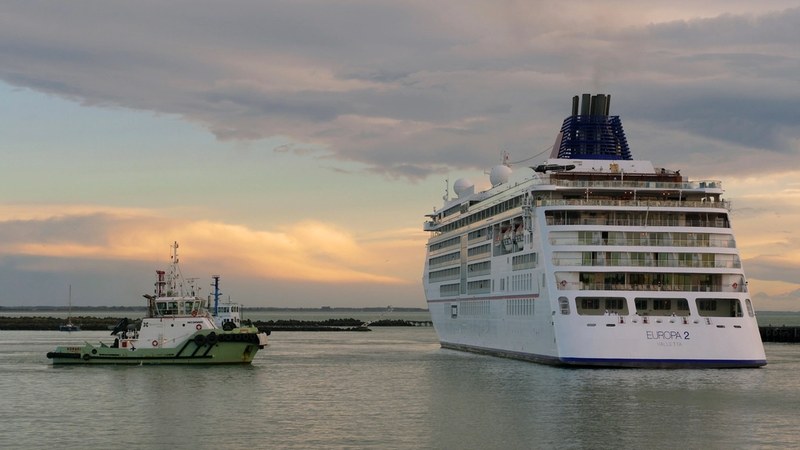
As one of Europe’s major cruise hubs, Rotterdam has responded swiftly to the situation by ramping up its health safety measures. Authorities at the Rotterdam port have implemented enhanced disinfection protocols targeting cruise vessels arriving under suspected health concerns, including the affected ship. This includes comprehensive surface sanitation and increased health inspections both prior to and upon ship entry into port.
The intensified sanitation measures build on existing maritime health standards but operate with heightened urgency due to the hantavirus case. Rotterdam’s approach
aims to minimize any potential transmission risks while reassuring both travelers and cruise operators of the port’s commitment to health security.
These measures, already underway, may influence disinfection practices at other key ports globally, setting a precedent for an escalated response framework involving collaboration among port authorities, cruise lines, and public health officials.
Implications for U.S. Cruise Travelers amidst Global Traveler Health Alerts
U.S. travelers with plans to embark on international cruises that include European destinations are advised to stay informed about evolving safety protocols associated with this health alert. While no confirmed travel restrictions or bans have been announced, cruise safety protocols are expected to tighten as ship operators
respond to the global heightened health alerts and port requirements.
Industry experts highlight the importance of travelers adhering closely to guidance from cruise lines and health agencies, including updated pre-boarding health screenings and possible on-board safety measures. Maintaining vigilance around personal hygiene and awareness of symptoms connected to hantavirus remain key components in traveler precautions.
The broader context of this situation reflects a growing emphasis on global traveler health within the cruise sector, a response to increasingly complex infectious disease scenarios. Enhanced collaboration between international ports and cruise companies is anticipated to continue shaping operational protocols aimed at maintaining safe
cruising environments.