Greece’s tourism industry is on track to exceed €25 billion in revenues in 2026, driven by 28.5 million international arrivals and €18.2 billion in receipts during the first eight months. This marks a 9.4% increase in tourism income and a 10% rise in arrivals compared with the same period in 2025, according to the Bank of Greece.
Tourism Concentration in Key Regions and Seasonality Trends
Five administrative regions—South Aegean, Crete, Attica, Central Macedonia, and the Ionian Islands—generate 90% of Greece’s tourism revenue. Similarly, five islands account for 47% of international arrivals. Although summer months remain dominant, with arrivals increasing 2.6% in August 2026 largely due to foreign visitors,
September and October are becoming more commercially important as the tourism season extends.
Shifts in Visitor Behavior Amid Economic Pressure
Tourists are booking holidays closer to arrival dates and reducing lengths of stay, with the average duration dropping from 7.4 nights in 2019 to 6.1 in 2025. Economic uncertainty and inflation have led travelers to spend more cautiously. Visitors increasingly select half-board packages over breakfast-only deals to manage expenses, a trend observed by the Hellenic Federation of Hoteliers and local hoteliers in Pieria where the average stay declined from six days in 2025 to 5.2 days in 2026.
Investment and Infrastructure Challenges
Tourism businesses invested approximately €5 billion in 2025, including
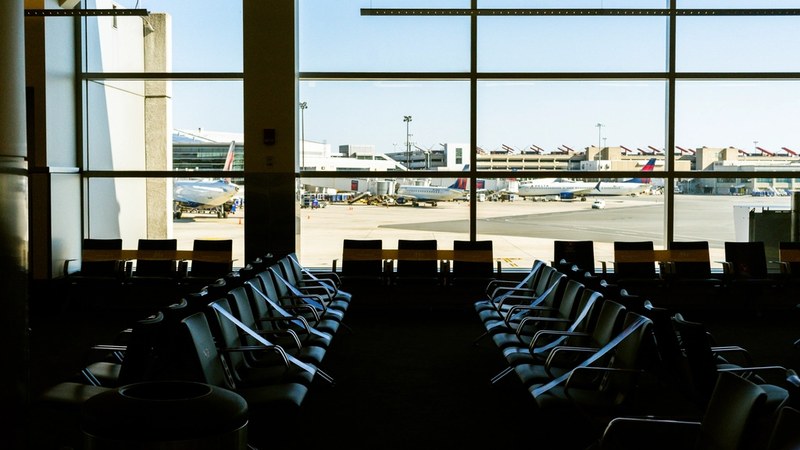
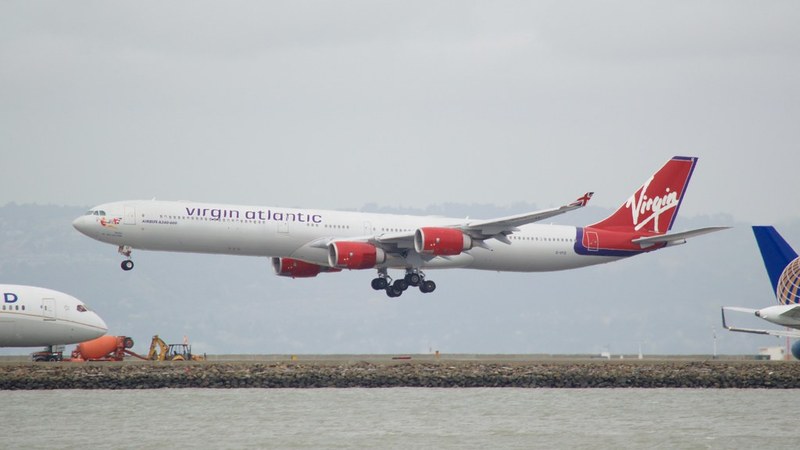
€2.8 billion in hotels. Despite this private investment, public infrastructure gaps remain significant. Air traffic management issues such as frequent flight delays, airport staffing shortages, and postponed upgrades to air navigation equipment continue to affect Greece’s competitiveness. Improvements in road and rail connections, ferry networks, ports, and border crossings are also needed to support sustainable growth.
International Markets Driving Growth
Germany remains Greece’s top tourism market with 4.21 million arrivals—up 8.1%—and spending of €2.86 billion, a 7.2% increase from January to August 2026. The United Kingdom followed with 3.4 million visitors generating €2.67 billion in receipts, up 5%. Italy recorded 1.92 million arrivals, a
22.1% rise, with tourism revenue increasing 31.7% to over €1.26 billion. The United States saw a 1.5% decline in visitor numbers to 1.06 million, but expenditure rose 21% to €1.47 billion. In contrast, France experienced a drop in arrivals by 5.4% to 1.35 million and a revenue decline of 8.1% to €932 million.
Industry Commentary on Seasonal Extension and Financial Pressures
Vasilis Lapanaitis, founder of Square Lime, noted the growing significance of September and October, stating, “September now carries much greater weight in the overall season, and October is gradually becoming more commercially important.” He added, “For many destinations, success means adding two or three genuinely profitable weeks
to the season rather than two loss-making months.”
Iraklis Tsitlakidis, vice-president of the Hellenic Federation of Hoteliers and Pieria Hoteliers president, said, “We see that all Europeans are counting their money and trying to limit expenses.” Dimitris Karalis, president of the Messinia Hoteliers Association, reported, “Revenues were clearly under greater pressure in 2026, while expenses had risen dramatically. As a result, the overall financial outcome for businesses was weaker.”
Environmental Certification and Sustainability Compliance
Approximately 850 hotels hold sustainability certification, but 73% of tourism businesses have not set emissions reduction targets for 2030, despite legal obligations. The Greek Tourism Confederation has launched the METRON Sustainable
Tourism initiative to support environmental compliance and sustainability within the sector.
Traveler Impacts: Flight Delays, Pricing, and Booking Trends
Flight delays and airport staff shortages have affected air travel experiences. Popular destinations like Mykonos and Santorini face high pricing that tests demand limits. Last-minute booking trends and shorter tourist stays reflect shifts in traveler behavior amid economic pressures. Extension of the tourism season depends on maintaining operational support in transport, hospitality, and activities through September and October.
Structural Challenges in Tourism Development
Public infrastructure deficits, uneven destination management, and concentrated visitor flows in a few regions and islands remain obstacles for sustainable tourism growth in Greece. Most municipal units, covering 95% of national
territory, have limited tourism development. Authorities emphasize the need for better spatial planning, investment in transport networks, and the establishment of effective Destination Management and Marketing Organisations to balance regional activity and address overcrowding.