Florida’s tourism sector generated an estimated $134 billion economic impact in 2025, fueled by a record 143 million visitors to the state, according to statements made by Governor Ron DeSantis at the 2026 Governor’s Conference on Tourism in West Palm Beach.
Visitor numbers have surged dramatically over the last decade, rising from approximately 105 million in 2015 to 143 million in 2025. This increase of roughly 38 million visitors highlights Florida’s heightened appeal as a tourist destination. Governor DeSantis emphasized this unprecedented growth, stating, “I’m excited to say that Florida is and remains and will continue to be the number
one tourist destination in these United States.” Although 2026 visitation is slightly below 2025’s record pace, it remains strong despite economic and geopolitical challenges.
Tourism’s Role in Supporting Florida’s Economy
Tourism revenue accounts for a significant share of Florida’s sales and tourism-related tax income, much of which comes from non-resident and tourist spending. DeSantis highlighted that a large portion of the state’s sales tax is paid by visitors rather than Florida residents. This outside spending contributes to the state’s tax base and has enabled the state to reduce its budget for four consecutive years while increasing its rainy-day fund and running large surpluses. During DeSantis’ tenure,
Florida has paid down 52% of its historical debt and is approaching $10 billion in tax reductions over eight years, including the elimination of the commercial rent tax and exemptions for family and recreational purchases.
Tourism Beyond Theme Parks
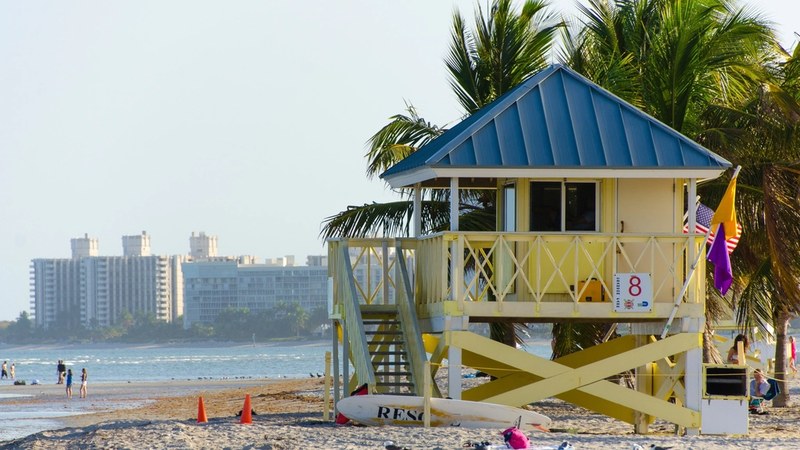
While Central Florida’s theme parks continue to expand—Universal Orlando is growing and Disney is increasing investments—the state’s tourism industry extends far beyond amusement parks. Florida leads the nation in fishing, boating, and cruises. Beaches across Northwest Florida, the Gulf Coast, and South Florida remain popular attractions. Communities such as Bradenton, Sarasota, Naples, Fort Myers, and Mexico Beach, which was devastated by Hurricane Michael in 2018,
have attracted new investment and visitor interest during their recoveries from major hurricanes. Governor DeSantis noted Florida’s resilience, stating, “Florida has a way of bouncing back quicker than some others do.”
COVID-19 Response Helped Sustain Tourism
Florida maintained tourism momentum during the COVID-19 pandemic by refusing statewide beach closures and reopening recreational and sporting activities early. The governor recalled a surge of visitors from Texas, Louisiana, Mississippi, Alabama, Tennessee, and Georgia to 30A in Northwest Florida during Memorial Day weekend in 2020, describing it as “a convergence of the SEC on 30A.” Florida also hosted professional sports events, including a UFC fight in Jacksonville after
DeSantis personally invited UFC President Dana White to hold the event in the state, as well as golf tournaments, NASCAR events, Major League Baseball, NBA bubble games, and WWE shows as sports returned elsewhere.
Major Sporting and Cultural Events Attract Visitors
Florida has hosted two Super Bowls and two college football national championships during DeSantis’ administration. Annual events like the Daytona 500 continue to draw large crowds. Miami has become a hub for Formula One racing and Art Basel, broadening the state’s appeal beyond traditional tourism markets. Central Florida’s theme parks offer visitors the option to spend entire vacations within resort complexes, with ongoing investments from Universal
Orlando and Disney.
Environmental Investments Linked to Tourism
Florida has invested nearly $10 billion in Everglades restoration during Governor DeSantis’ administration. These environmental projects aim to improve water quality and support tourism activities such as boating and fishing while protecting destinations vulnerable to harmful algae outbreaks. These efforts contribute to sustaining the state’s tourism economy by preserving natural attractions critical to visitor experiences.
Hurricane Recovery Spurs New Tourism Growth
Communities impacted by hurricanes, including Bradenton, Sarasota, Naples, Fort Myers, and Mexico Beach, have shown strong recovery with renewed investment attracting visitors. Mexico Beach, devastated by Hurricane Michael in 2018, exemplifies this resurgence. These areas contribute to the diversity of Florida’s tourism
industry beyond Central Florida and coastal resort areas, boosting the state’s overall economic strength.