On September 6, 2026, the Federal Aviation Administration implemented ground stops at six major Northeast airports—New York’s LaGuardia, John F. Kennedy, Newark Liberty, Philadelphia, and Boston Logan—disrupting thousands of flights across the United States.
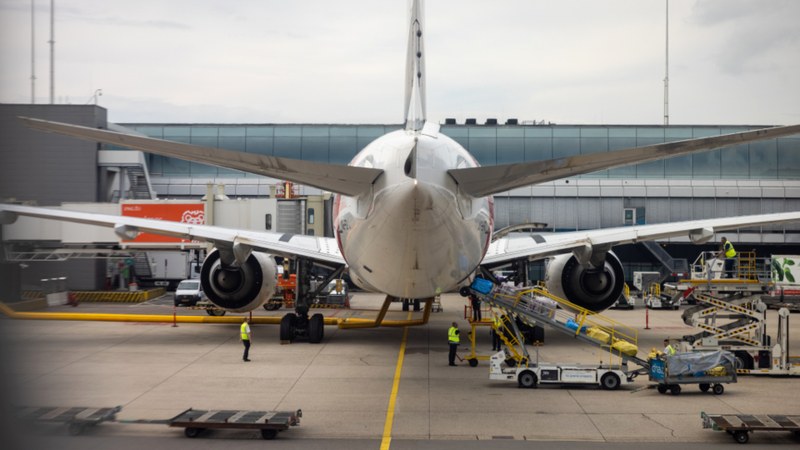
An IT outage at American Airlines triggered a nationwide ground stop for the carrier. The airline’s dispatch and flight operations systems, alongside customer tools such as mobile apps and booking platforms, were affected. Dozens of aircraft were reported parked on taxiways at Dallas Fort Worth International Airport, American’s largest hub, during the disruption.
Causes Include Staffing Shortages, Weather, and Existing Flight Caps
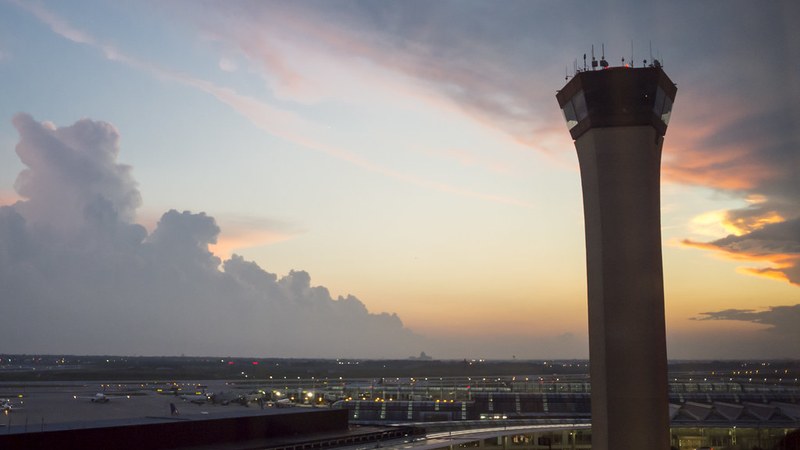
The FAA attributed the ground stops to a combination of severe thunderstorms over
the Mid-Atlantic and New England corridors, temporary traffic management directives, and staffing constraints at regional air traffic control facilities. These complications coincided with pre-existing FAA-imposed arrival and departure limits at busy Northeast airports, such as Newark, where caps remain in place through October 2026 to reduce congestion.
Delays and Cancellations Affect Northeast Hubs and Beyond
Average departure delays at affected Northeast airports extended well beyond one hour. The FAA enforced flight reductions ranging from approximately 6 to 10 percent during recent staffing shortages, further limiting operational capacity. American Airlines had previously trimmed flights by several percentage points at about 40 airports due to these FAA directives. Other major
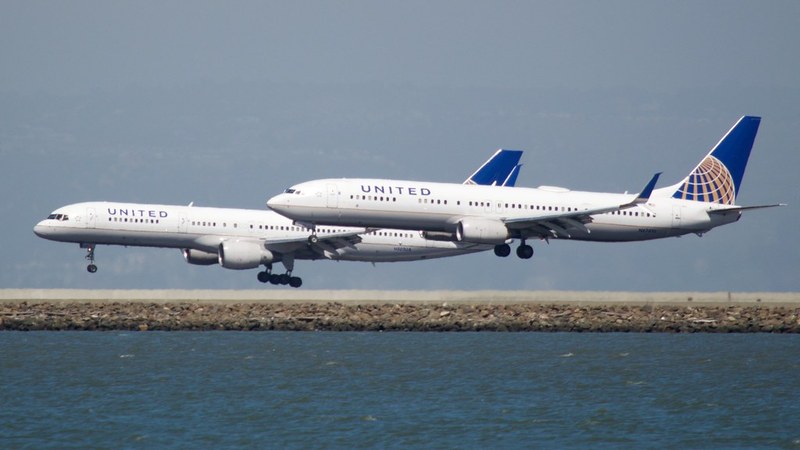
carriers including United, Delta, and Southwest also experienced increased delays and cancellations, particularly on routes impacted by storm activity in the Northeast and Midwest.
Travelers Encounter Lines, Taxiway Waits, and Limited Rebooking
Passengers faced long lines at security checkpoints and customer service counters. Aircraft queueing on taxiways caused widespread missed connections. Fully booked flights during the holiday period left limited same-day rebooking options, especially on busy coastal and inland routes. Those traveling through key American Airlines hubs such as Dallas Fort Worth, Charlotte Douglas, and Philadelphia reported additional disruptions as flight departures remained paused during the outage.
Ripple Effects and Industry Challenges Persist
The combined effects of FAA ground stops, weather-related capacity limits, and
American Airlines’ technology failure created ripple disruptions lasting multiple travel days. The FAA lifted the American Airlines nationwide ground stop after system stabilization but maintained traffic restrictions for Charlotte Douglas International Airport for a time. Airlines are adjusting aircraft and crew scheduling amid limited seat availability on transcontinental and international routes. The event underscores ongoing structural pressures on the U.S. air travel system, which continues to face infrastructure and staffing constraints alongside increasing severe weather incidents.