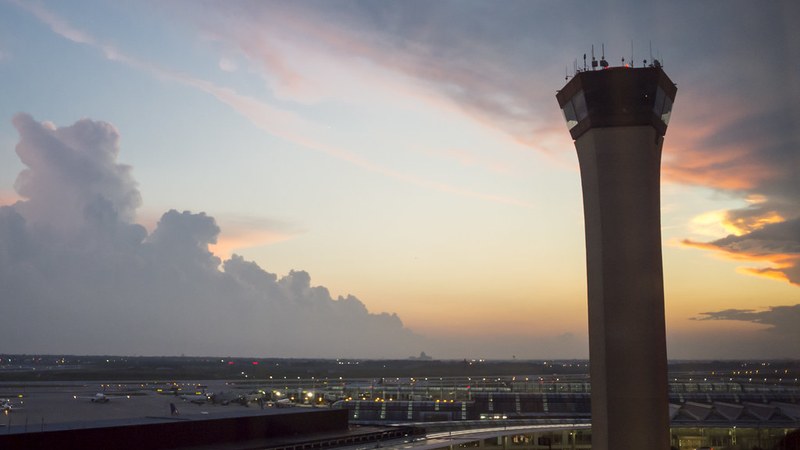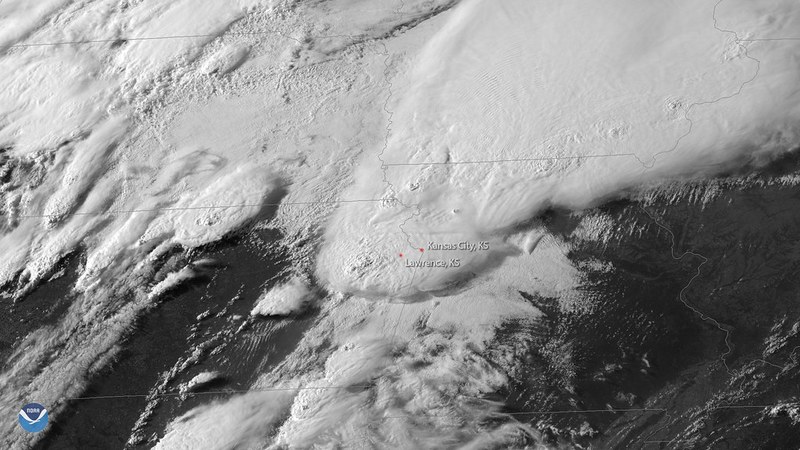
The Federal Aviation Administration (FAA) issued ground stops on September 6, 2026, at six major Northeast U.S. airports: New York LaGuardia, John F. Kennedy, Newark Liberty, Philadelphia International, and Boston airports. These restrictions were driven by severe thunderstorms over the Mid-Atlantic and New England corridors combined with staffing constraints at regional air traffic facilities.
Rapidly advancing thunderstorm cells and limited controller availability forced the FAA to halt or meter arrivals and departures for several hours during the day. This action compounded existing FAA caps on arrivals and departures at congested airports like Newark Liberty, part of strategies extending through October
2026 to manage chronic congestion.
American Airlines IT Outage Triggers Nationwide Ground Stop
On the same day, American Airlines encountered a significant IT outage impacting dispatch, flight operations, mobile applications, and booking systems. This disruption led the FAA to issue a temporary nationwide ground stop for all American Airlines flights.
At Dallas Fort Worth International Airport, American’s largest hub, dozens of aircraft remained parked on taxiways as the outage unfolded. Following system stabilization, the FAA lifted the nationwide ground stop but kept flight restrictions targeting Charlotte Douglas International Airport active, an important East Coast hub for American.
Widespread Flight Delays and Disruptions Across U.S. Carriers
The combined effect of FAA ground stops in the Northeast, severe
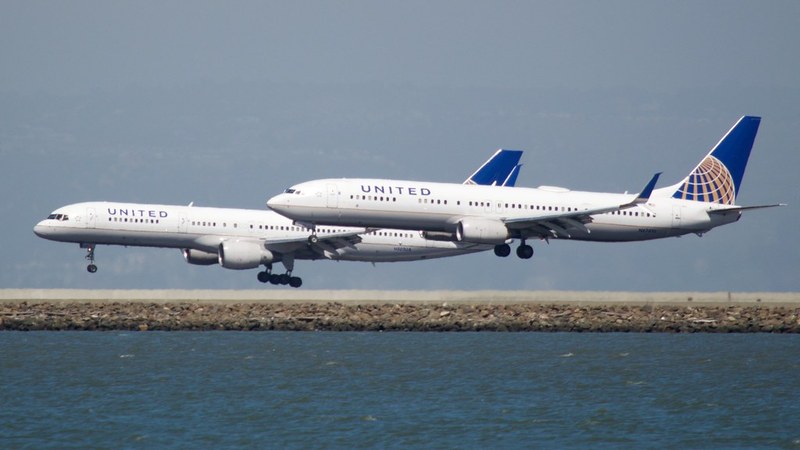
thunderstorms, and the American Airlines IT failure caused extensive delays and cancellations nationwide. Other major carriers such as United Airlines, Delta Airlines, and Southwest Airlines experienced elevated disruption levels, particularly along routes intersecting the storm-affected Northeast and Midwest regions.
Nine large airports across the country, including Chicago O’Hare and key Northeast hubs, operated under FAA stoppages or heavy delay programs during the storm period. Backlogs led to aircraft and crew positional issues affecting downstream flights on highly trafficked transcontinental and international routes.
Even after lifting the nationwide ground stop for American Airlines, flights bound for Charlotte Douglas International Airport continued
to face operational restrictions, amplifying delays especially during this busy holiday travel window.
Structural Strain from FAA Restrictions and Recurrent Weather Challenges
The disruptions unfolded amid ongoing FAA measures to reduce scheduled operations by 6 to 10 percent at numerous busy airports through October 2026. These caps aim to alleviate congestion and workload pressures on overstretched traffic control centers.
Recurring severe weather systems, particularly summer thunderstorms along the East Coast, frequently immobilize multiple hubs. The network’s narrow margin for error is further strained by the vulnerability of airline IT infrastructure, as seen in American Airlines’ repeated system outages within two years.
Traveler Impact and Recovery Recommendations
Passengers at affected Northeast airports encountered long lines
at security and customer service counters while aircraft waited extended periods on taxiways. High holiday booking levels limited same-day rebooking availability, especially on peak coastal and inland connections.
American Airlines customers faced difficulties with rebooking and flight updates due to outages in customer-facing platforms. Travelers using hubs such as Dallas Fort Worth, Charlotte Douglas, and Philadelphia experienced additional delays caused by departure pauses and scarce later flight seats on heavily booked routes.
Delayed connections and cascading disruptions are expected to continue as airlines rebalance aircraft and crews, making frequent flight status checks and allowance for extra connection time essential during
recovery.
Industry Context of Capacity Limits and Technological Challenges
Peak holiday demand, infrastructure constraints, and reliance on complex IT systems have amplified disruption risks during times of weather and technical failure. Airlines, including American, have preemptively reduced schedules at about 40 airports in line with FAA directives to mitigate day-of operational disruptions.
Regulatory initiatives are ongoing to modernize air traffic control systems and increase staffing, while airlines face pressure to upgrade IT resilience after recent high-profile outages. Meanwhile, severe weather remains a persistent factor causing network-wide interruptions in key air corridors.