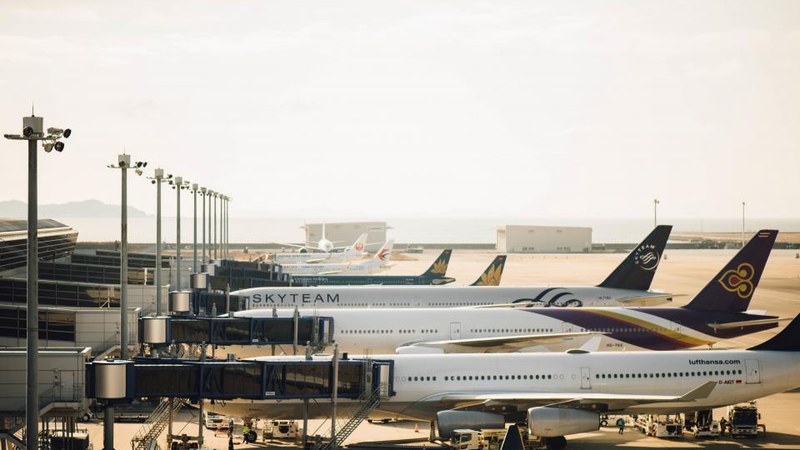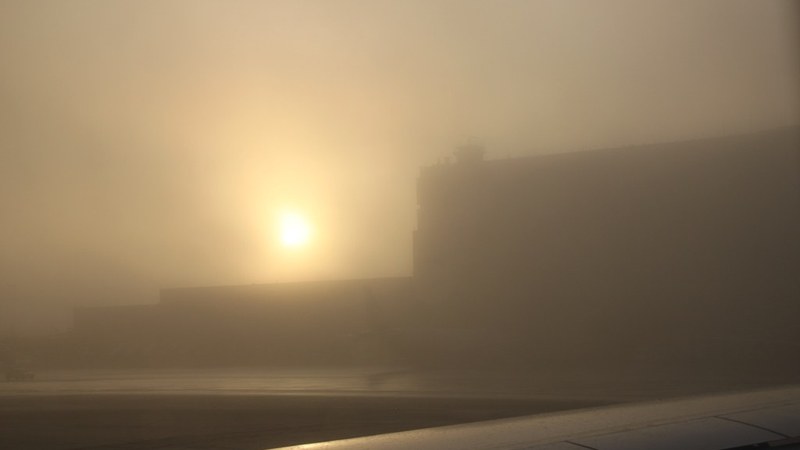
Heavy fog on November 2, 2026, reduced visibility at Edmonton International Airport, disrupting flight operations and resulting in multiple cancellations and delays on domestic and transborder services.
Flight cancellations on leisure and domestic routes
Freezing fog from late November 1 into the early hours of November 2 caused cancellations of Canadian carrier flights arriving from Cancun and Puerto Vallarta. Late evening flights connecting Edmonton with Calgary, Vancouver, Yellowknife, and Fort McMurray were cancelled or delayed on November 1. Overnight arrivals from Las Vegas and Phoenix were also cancelled, while a Houston service experienced a significant delay on the evening of November 1.
Delays affected several evening flights
departing from regional centers in British Columbia and Alberta. Affected travelers experienced disruptions continuing into the morning of November 2, with some cancellations persisting on Vancouver routings.
Weather conditions behind operational impacts
Edmonton International Airport recorded freezing fog and extremely low visibility conditions starting late on November 1. Temperatures hovered below the freezing point with light winds that prevented moisture dispersal, sustaining dense fog near the surface. Seasonal temperature inversions typical in late autumn trapped moisture around central Alberta, adding to the visibility challenges.
The freezing fog created risks of ice buildup on aircraft and airport infrastructure, triggering stricter operational limits on takeoffs and landings.
Visibility levels dropped below required thresholds, leading to ground holds and flight diversions to maintain safety during early morning hours.
Travel advisories and ground access delays
Passengers traveling through Edmonton International Airport were advised to monitor flight statuses online and keep contact information updated due to rapidly changing schedules. Ground transportation faced slower conditions, especially on highways and rural roads south of Edmonton, where lingering fog created localized low-visibility areas.
Travelers were encouraged to allow extra time for airport access and use low-beam headlights when driving through fog. Connections to northern and regional destinations such as Yellowknife may continue to experience rescheduling as airlines reposition crews
and aircraft after overnight disruptions.
Schedule normalization and ongoing fog risk
By mid-morning on November 2, flight schedules began returning to normal with most daytime flights from major hubs including Toronto, Calgary, and Vancouver operating on time. However, a limited number of morning departures to and from Vancouver remained cancelled. Airport information boards indicated that most flights were on schedule by late morning, although scattered cancellations persisted on specific routes.
Weather forecasts for the Edmonton area continued to signal the possibility of patchy fog and freezing fog throughout November 2, meaning visibility challenges could reoccur.
Seasonal context of fog disruptions at Edmonton
Episodes of dense fog in central Alberta during late autumn fit
a recurring seasonal pattern linked to temperature inversions and extended nights trapping moisture near the surface. Freezing fog, snow, and low temperatures frequently affect Edmonton and other Alberta airports during this season.
During fog conditions, airlines tend to prioritize core domestic and transborder trunk routes to maintain connectivity, while leisure and point-to-point flights are more vulnerable to cancellations. Travelers through Edmonton International are recommended to build additional buffer time during late autumn for tight connections due to these seasonal weather risks.