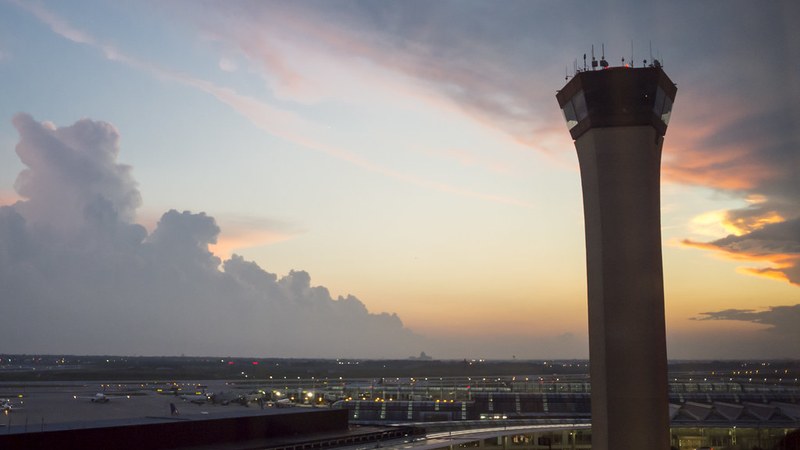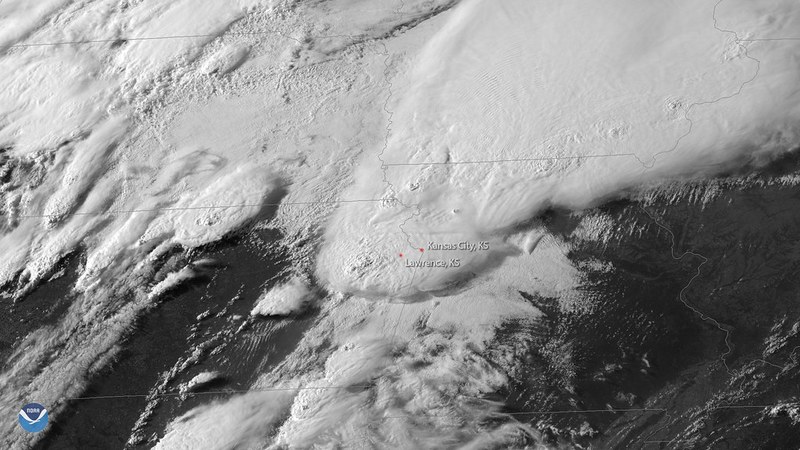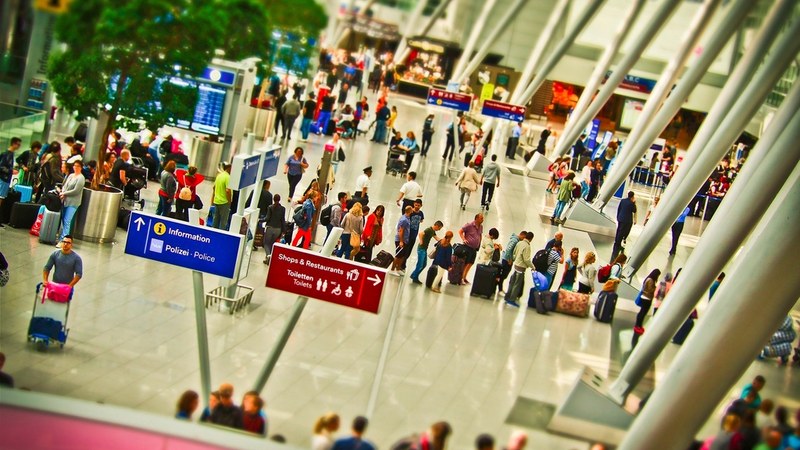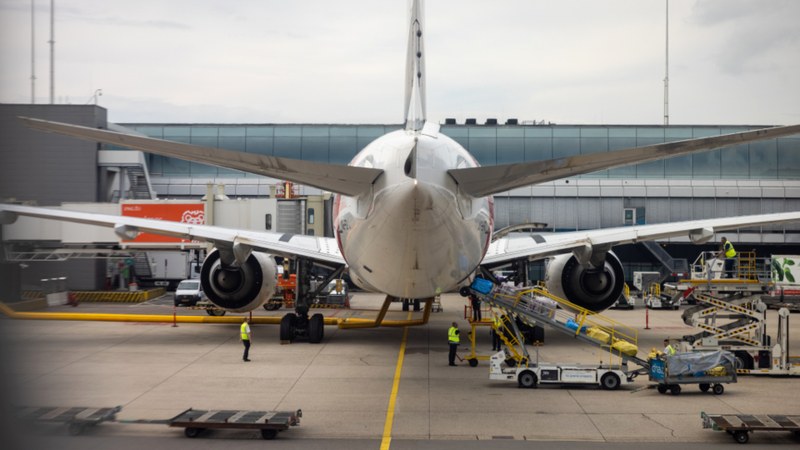
The Federal Aviation Administration (FAA) issued a temporary ground stop at Hartsfield-Jackson Atlanta International Airport on Saturday afternoon, July 12, 2026, in response to thunderstorms moving through the Atlanta area. The ground stop halted departures from the airport and delayed over 900 flights.
FAA Ground Stop Timing and Weather Context
The FAA implemented the ground stop initially until 2:30 p.m. Eastern and subsequently extended it until 4 p.m. before it expired later that day. At approximately 1 p.m., more than 900 delays were recorded with an average delay time of 40 minutes and a maximum of 75 minutes. Eastern Georgia remained under a severe thunderstorm watch through
9 p.m. on July 12, 2026. Meteorologist Eboni Deon of Severe Weather Team 2 forecasted scattered or isolated severe storms for the region on Sunday afternoon.
Disruptions to Flights and Passenger Itineraries
The ground stop applied to flights scheduled to arrive at Hartsfield-Jackson, resulting in aircraft remaining parked at their departure airports until conditions improved. While planes already airborne were generally permitted to continue to Atlanta, the halt in arrivals and departures caused airline networks to experience cascading delays and scattered cancellations. Passengers reported long waits both on concourses and in aircraft at other airports, and many missed connections to smaller Southeast and Midwest cities reliant
on Atlanta as a hub. Airlines responded by rebooking passengers onto later flights or rerouting through alternative hubs.
Reasons Behind the FAA’s Ground Stop
The FAA uses ground stops as a traffic management tool when weather conditions render airport operations or surrounding airspace unsafe or severely constrained. Thunderstorms along arrival and departure corridors limit sector capacity and require air traffic controllers to reroute or hold aircraft to avoid hazardous conditions such as lightning, turbulence, and wind shear. By halting departures toward affected airports, the FAA prevents excessive congestion and reduces instances of extended holding patterns near storms.
Official Figures and Forecasts on the Delay
The FAA reported over 900 flight delays by early
afternoon on July 12, with delays averaging 40 minutes and reaching up to 75 minutes. The ground stop was in place from early afternoon, extended twice, and was lifted by late afternoon. Meteorological data indicated a severe thunderstorm watch remained active in eastern Georgia until 9 p.m., signaling ongoing potential for disruptive weather in the area.
Regional Aviation and Weather Context
Hartsfield-Jackson Atlanta International Airport is a major connecting hub for domestic and international flights, making it a critical node in airline networks. Weather patterns across the Southeast during mid-summer typically involve hot, humid conditions accompanied by daily chances of thunderstorms, resulting in rolling disruptions
at Atlanta and other eastern U.S. hubs. The same thunderstorm pattern has caused temporary ground stops and arrival management measures at multiple airports throughout the region this week. These disruptions are expected to continue as summer storms persist.
FAA Ground Stop Triggers Widespread Network Delays on Peak Travel Weekend
Saturday’s FAA-imposed ground stop at Hartsfield-Jackson significantly affected air traffic during a peak summer travel weekend. The temporary pause in departures, prompted by severe thunderstorms, led to extensive airport and airline operational backlogs. The resulting delays, cancellations, and rebookings cascaded through connecting flights and contributed to congestion on taxiways and at gates even after the ground stop was lifted.