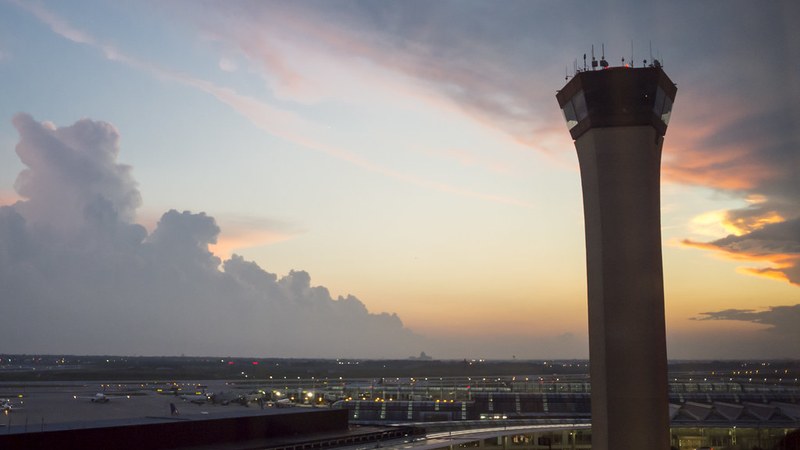
The Federal Aviation Administration (FAA) implemented a temporary ground stop at Hartsfield-Jackson Atlanta International Airport on Saturday, July 12, 2026, due to severe thunderstorms moving through the Atlanta area. The ground stop halted departures destined for the airport, leaving aircraft parked at their origin cities to manage safety amid unsafe weather and constrained airspace.
Operational Impact and Flight Disruptions
The ground stop caused mounting delays and scattered cancellations on routes touching Atlanta, one of the world’s busiest aviation hubs. Flights already in the air were generally allowed to continue toward the airport, while outgoing flights were held on the ground, causing capacity bottlenecks and missed
connections in airline networks serving the Southeast and Eastern United States major hubs.
Ground Stop Duration and Delay Statistics
The FAA ground stop remained in place into the late afternoon of July 12, with an expected end time of at least 5 p.m. Eastern. As of about 1 p.m., the FAA reported more than 900 flight delays at Hartsfield-Jackson, with an average delay time of 40 minutes and a maximum delay of 75 minutes. A severe thunderstorm watch issued by the National Weather Service covered multiple east Georgia counties—including Baker, Berrien, Brooks, Calhoun, Clay, Colquitt, Cook, Decatur, Dougherty, Early, Grady, Lanier, Lee, Lowndes, Miller, Mitchell, Quitman,
Randolph, Seminole, Terrell, Thomas, Tift, and Worth—until 9 p.m. on July 12.
Traveler Experience and Post-Stop Congestion
Passengers experienced long waits inside airport concourses and at gates, with aircraft remaining parked at origin cities until the ground stop was lifted. Airlines reported reorganizing schedules and rebooking passengers onto later flights or alternate routes through other hubs, leading to flight cancellations and missed connections. After the ground stop was lifted, congestion persisted on taxiways and gates at Hartsfield-Jackson, prolonging disruption as airlines worked through backlog amid crew duty limits and maintenance constraints.
Meteorological Causes and Regional Context
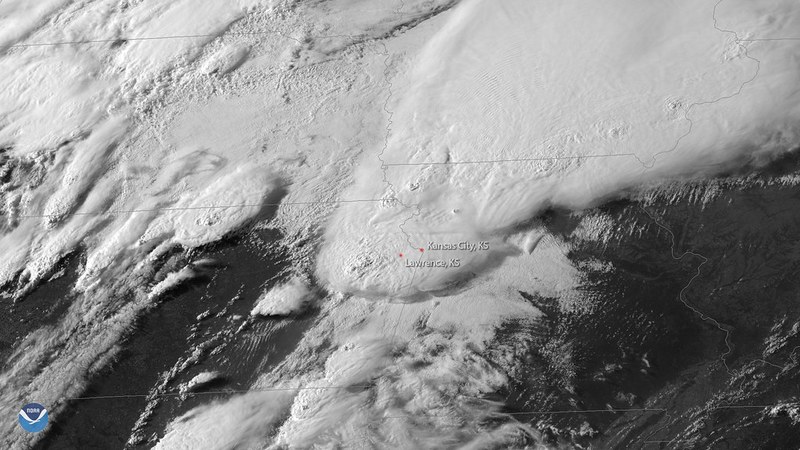
The ground stop was prompted by thunderstorms moving through the Atlanta metro area and
central Georgia, producing convective weather conditions that reduce safe traffic capacity. Lightning, turbulence, and wind shear along arrival and departure corridors reduced sector throughput, leading the FAA to impose the stop as a traffic management tool to maintain safety. The severe thunderstorm watch covered many east Georgia counties until 9 p.m., and similar thunderstorm-related delays have impacted other major hubs in the eastern United States during the summer peak travel period.