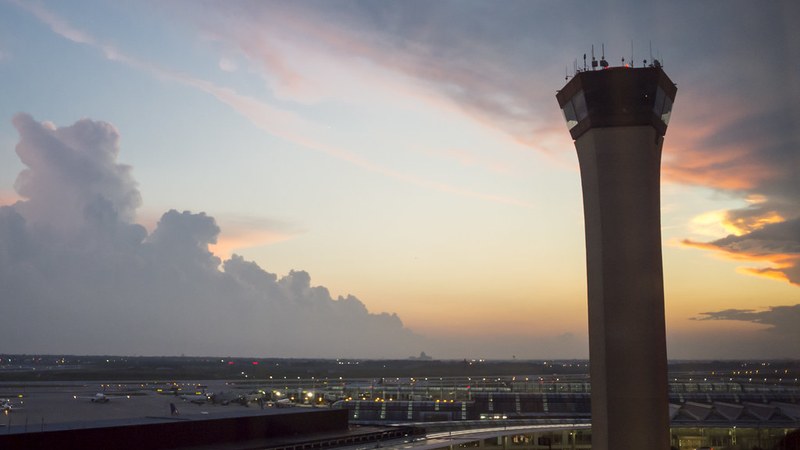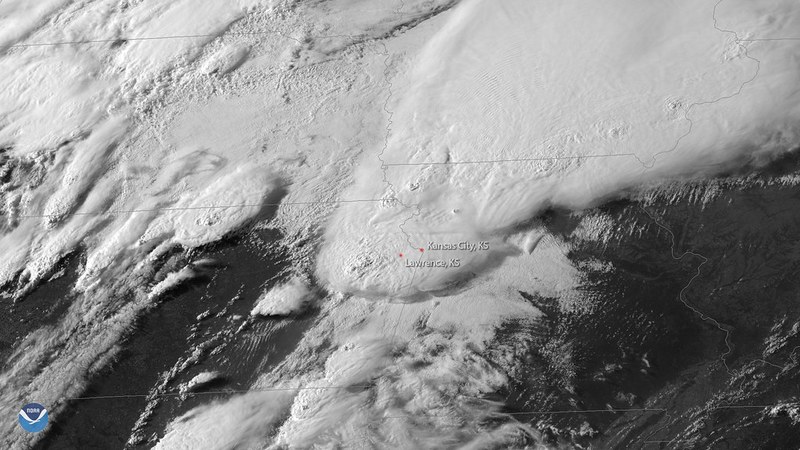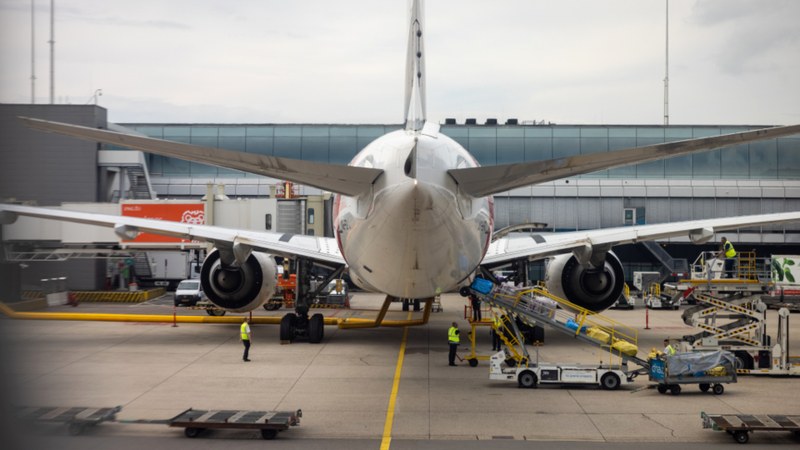
The Federal Aviation Administration (FAA) implemented a temporary ground stop at Hartsfield-Jackson Atlanta International Airport on July 12, 2026, following the development of thunderstorms over metro Atlanta and central Georgia. This safety measure disrupted numerous flights at one of the world’s busiest hubs.
Departures from Hartsfield-Jackson were halted for several hours during the afternoon of July 12 as thunderstorm activity made conditions unsafe. The ground stop applied to outbound flights from the airport and flights scheduled to arrive at Atlanta were held at their origin cities until weather conditions improved. Arrivals already in flight were generally allowed to continue to
the airport. The ground stop persisted into the late afternoon, with the FAA setting the expected end time at no earlier than 5 p.m. Eastern.
The suspension of departures created a congestion backlog affecting airline operations well beyond Atlanta. Published flight status boards and airline announcements showed increasing delays and cancellations on routes involving Atlanta, with some carriers rebooking passengers on later flights or alternate routes through other major hubs. Passenger reports indicated missed connections particularly impacting flights connecting to smaller Southeast and Midwest cities dependent on Atlanta as a transfer point.
FAA Safety Measures During Convective Weather
The FAA employs ground stops as a tactical
approach to manage arrivals and departures when airport weather and airspace constraints threaten safety. Thunderstorms with lightning, turbulence, and dynamic cloud formations reduce the capacity to safely handle aircraft in approach and departure corridors. A ground stop prevents further aircraft from entering congested airspace, mitigating risks of extended holding patterns near hazardous weather.
Ground stops are usually brief and adjusted based on radar, lightning detection, and pilot feedback. After conditions improve, the FAA transitions to metered arrivals or ground delay programs to sequence flights efficiently and reduce bottlenecks. This system supports controllers managing air traffic safely around storm cells affecting
critical flight paths into major hubs like Atlanta.
Passenger Experience During the Disruption
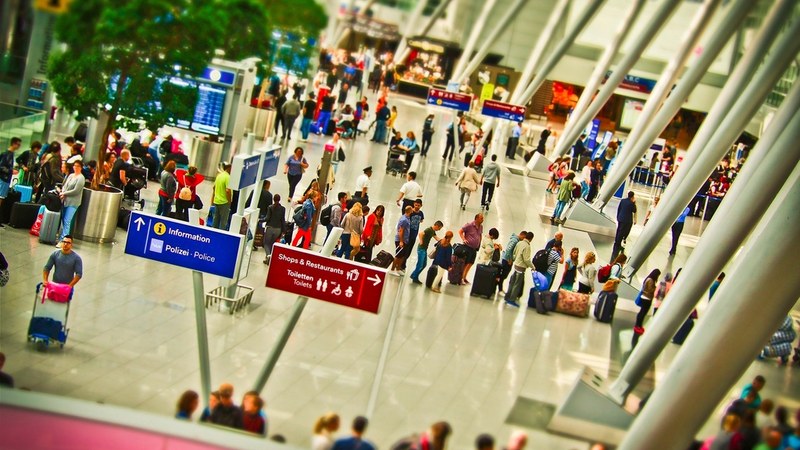
Travelers experienced extended waits in airport concourses and on aircraft at origin airports due to the ground stop. Customer service areas at Hartsfield-Jackson became crowded as passengers sought assistance with itinerary changes. Many faced all-day disruptions, including missed connecting flights and prolonged rebooking procedures.
Airlines advised using mobile apps and online platforms to manage rebookings amid the disruption. Free same-day changes were offered during this significant weather event as travelers coped with shifting schedules and increased demand for alternative flights through other hubs in the eastern United States.
Summer Thunderstorms and Hub Network Impact
Hartsfield-Jackson Atlanta International Airport
operates as a major domestic and international connecting hub. Disruptions at this airport quickly affect extensive airline networks serving the Southeast and beyond. The ground stop on July 12 occurred during a peak summer travel weekend, exacerbating scheduling challenges amidst already high passenger volumes.
The Southeast United States commonly experiences hot, humid summer weather with daily thunderstorm activity. These storms cause frequent aviation disruptions due to convective weather hazards such as strong updrafts, wind shear, lightning, and hail that interfere with safe flight operations. Similar storm-related ground stops and arrival restrictions have occurred in other major hubs across the eastern
U.S. in recent days, affecting air traffic flow regionally.
With ongoing thunderstorms forecasted, intermittent flow constraints and travel delays are expected to continue for flights passing through Atlanta and connecting airports.