On July 19, 2026, European air traffic faced significant disruptions, recording 57 flight cancellations and approximately 1,920 delays across multiple countries. Major airlines impacted include British Airways, KLM, Lufthansa, easyJet, Air Dolomiti, Ryanair, Virgin Atlantic, and Emirates. The affected airports span England, Spain, the Netherlands, Germany, Denmark, Russia, and additional locations.
Airport-Specific Delays and Cancellations
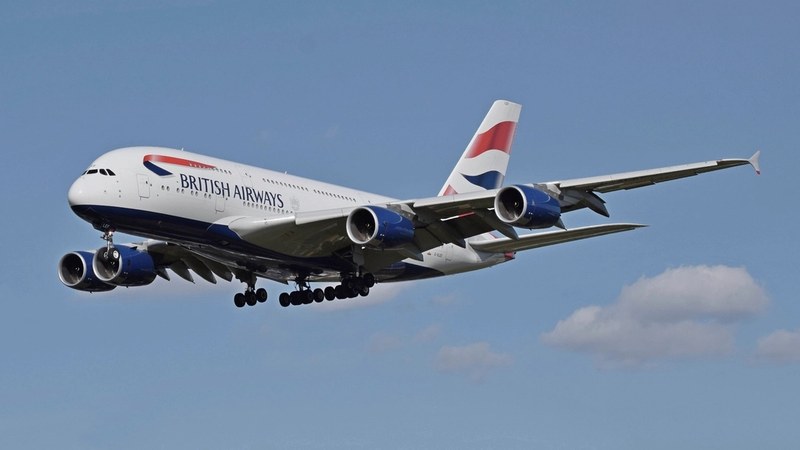
London Heathrow airport experienced the highest number of cancellations, with British Airways responsible for 18 cancellations primarily at Heathrow, and additional cancellations at Madrid-Barajas and Palma de Mallorca. Madrid-Barajas reported 171 delayed flights and two cancellations, with Iberia accounting for 42 delays there. KLM registered 11 cancellations mostly at
Amsterdam Schiphol and Berlin Brandenburg airports.
Lufthansa posted eight cancellations divided between Frankfurt and Munich airports and led the count for delayed flights. Together, Lufthansa and easyJet contributed to more than 460 delayed flights across Europe. Frankfurt recorded the highest number of flight delays, involving Lufthansa, Condor, Air Dolomiti, Discover, and City Airlines.
EasyJet, Ryanair, Eurowings Europe, Vueling Airlines, Jet2, and Condor dealt with extensive delays at Palma de Mallorca during the busy holiday travel period. Amsterdam Schiphol’s congestion affected multiple carriers including KLM, Transavia Airlines, easyJet, Air Baltic, and Delta Air Lines. London Gatwick, Copenhagen, Berlin Brandenburg, and Vnukovo
airports also reported significant operational pressures today.
Operational and Geopolitical Causes Affecting Flight Schedules
Europe’s delays and cancellations stem from a combination of local operational constraints, aircraft rotation issues, and airport congestion. Additionally, continuing airspace restrictions related to hostilities in the Middle East have disrupted airline scheduling and aircraft routing. Renewed military tension involving the United States and Iran has increased missile and drone threats over Gulf airspace. Attacks in the Strait of Hormuz and subsequent U.S. military strikes in Iran have heightened security concerns affecting air traffic.
Due to these risks, airlines are avoiding portions of Middle East airspace or operating longer alternative routes. Several carriers
including British Airways, KLM, Lufthansa, Virgin Atlantic, Emirates, Etihad Airways, Air Canada, and others have suspended or reduced services to destinations such as Dubai, Doha, Abu Dhabi, Riyadh, Tel Aviv, Beirut, Amman, and Muscat. These restrictions are contributing to longer flight times and reducing flexibility in operations, complicating efforts to recover from delays even on routes outside the immediate conflict zones.
Traveler Impact and Flight Status Monitoring
Passengers flying today through major European hubs including London Heathrow, Frankfurt, Munich, Amsterdam Schiphol, London Gatwick, Madrid-Barajas, and Palma de Mallorca are facing extended wait times, missed connections, and schedule changes due to the disruptions. Thousands of travelers across
Europe have been affected by the cancellations and delays as airports handle a large concentration of disrupted flights.
Given the ongoing operational and airspace challenges, travelers should monitor their flight status carefully before arriving at the airport to adjust plans as necessary.
Network Effects on Europe’s Air Traffic
Europe’s dense aviation network amplifies the impact of operational disruptions, as delays at major hubs ripple across connecting flights and airports. Lufthansa and easyJet together accounted for over 460 delayed flights today, with British Airways, KLM, Ryanair, and Air Dolomiti also experiencing substantial disruption. Airports serving Frankfurt, Munich, Berlin Brandenburg, Madrid, Palma de Mallorca, London, Amsterdam, Copenhagen, and
Moscow all recorded delays and cancellations creating cascading effects across multiple routes and carriers.
These widespread challenges highlight how operational issues and geopolitical constraints on Middle East airspace combine to significantly affect airline operations and passenger travel throughout Europe.