On July 19, 2026, Europe experienced 57 flight cancellations and approximately 1,920 flight delays across multiple countries. London Heathrow posted the highest cancellations, with 18 flights cancelled, mainly British Airways services. Madrid-Barajas Airport registered 171 delayed departures and two cancellations, while Munich and other key hubs also faced significant operational disruption.
Airline Disruptions Focused on British Airways, KLM, Lufthansa, and easyJet
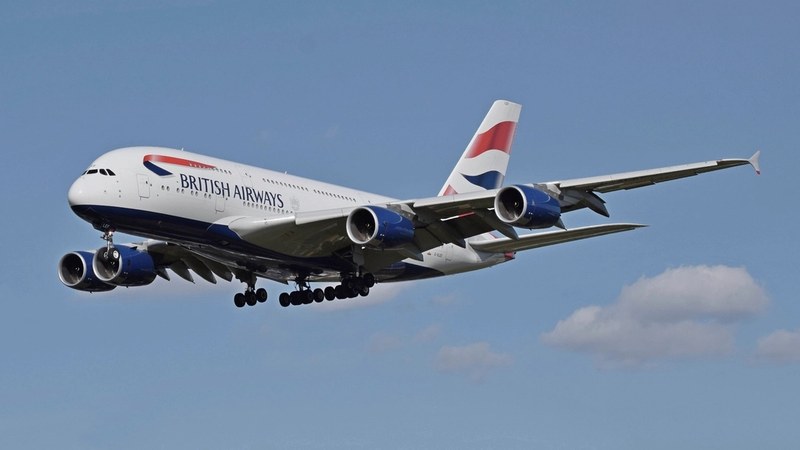
British Airways led the cancellations with 18 flights cancelled, primarily at London Heathrow but also affecting Madrid-Barajas and Palma de Mallorca. KLM cancelled 11 flights mainly at Amsterdam Schiphol and Berlin Brandenburg airports. Lufthansa recorded eight cancellations split between Frankfurt and Munich airports and led the airlines in total
delayed flights. Combined delays reported by Lufthansa and easyJet surpassed 460 flights. EasyJet, Ryanair, Eurowings Europe, Vueling Airlines, Jet2, Condor, Air Dolomiti, Discover, and City Airlines also reported considerable delays and disruptions.
Widespread Impact Across Key European Airports and Countries
The disruption spanned England, Spain, the Netherlands, Germany, Denmark, and Russia. Major affected airports included London Heathrow, London Gatwick, Amsterdam Schiphol, Frankfurt, Munich, Berlin Brandenburg, Copenhagen, Madrid-Barajas, Palma de Mallorca, and Moscow’s Vnukovo Airport. Amsterdam Schiphol congestion caused KLM to report the highest number of delayed and cancelled flights at the airport, also impacting Transavia Airlines, Air Baltic, easyJet, and Delta Air Lines.
Causes: Operational Constraints and Middle East Airspace Restrictions
Flight delays and cancellations resulted
from local operational constraints, aircraft rotations, and airport congestion across Europe’s busiest hubs. Additionally, airspace restrictions linked to ongoing hostilities in the Middle East, including missile and drone threats in the Gulf region, compounded scheduling difficulties. Renewed military escalations involving the US and Iran, attacks on shipping routes in the Strait of Hormuz, and US strikes inside Iran forced airlines to avoid regions or use longer alternative routes. These factors have increased flight times and reduced airline operational flexibility, even impacting flights far from the conflict zone.
Passenger Impact and Travel Advice
Thousands of travelers faced extended waits, missed connections, and altered schedules at multiple
European airports. London Heathrow and Frankfurt recorded the largest concentrations of cancellations and delays, with Madrid-Barajas and Amsterdam Schiphol also heavily affected. Travelers departing from or transferring through these hubs encountered significant scheduling disruptions. Ongoing congestion and Middle East airspace restrictions suggest that operations will continue to be challenging in the near term.
Europe’s Aviation Network Stretched by Compounded Disruptions
The high interconnectivity of Europe’s aviation infrastructure means disruptions at major hubs rapidly propagate across the continent. Lufthansa and easyJet alone accounted for over 460 delayed flights, with British Airways, KLM, Ryanair, and Air Dolomiti also contributing to extensive operational stress. Airports serving Frankfurt, Munich, Berlin, Madrid,
Palma de Mallorca, London, Amsterdam, Copenhagen, and Moscow all experienced delays and cancellations, demonstrating how issues in key gateways ripple through Europe’s airspace. Airlines managing congested terminals along with Middle East routing complications face reduced ability to absorb delays and recover normal schedules.