East Midlands Railway (EMR) suspended multiple train services and introduced timetable changes across routes in the East Midlands region from 8 July 2026, extending at least until mid-July, amid sustained hot weather and operational difficulties.
Regional routes linking Nottingham to Worksop and Nottingham to Leicester were suspended daily from 12:00 BST during the second week of July. Intercity services running to and from London St Pancras, including those via Leicester, Nottingham, Lincoln, Derby, and Sheffield, faced cancellations on some days. EMR warned that some trains could be removed at short notice or run at reduced speeds throughout this period.
Rolling stock delivery delays and reliability issues
The
cancellations coincide with rolling stock shortages caused by delays in new train deliveries and withdrawal of older trains. EMR began introducing Class 810 Aurora trains manufactured by Hitachi Rail in December 2025, with over one-third of the fleet delivered, but these units have experienced reliability issues including faults on toilets, doors, and air conditioning systems. Steve Jones, Secretary of the Railfuture East Midlands branch, said the principal cause for Intercity cancellations is a shortage of trains, as older stock has been withdrawn before the full Aurora fleet was ready.
A Hitachi Rail spokesperson confirmed ongoing work to improve the Aurora
fleet’s introduction and added that additional testing is being conducted at Long Marston Rail Innovation Centre to support fleet transition.
Heatwave impacts on rail infrastructure and operations
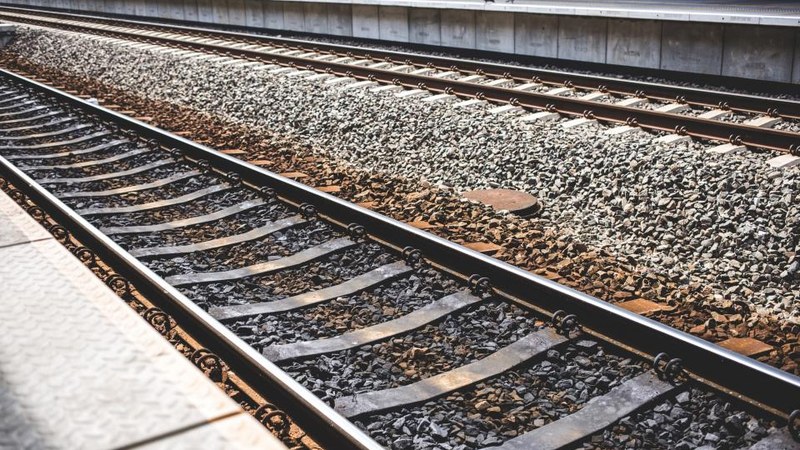
High temperatures have intensified challenges for EMR and other operators by causing rail infrastructure issues such as track expansion and risk of buckling, necessitating speed restrictions and timetable alterations. Railways expert Tony Miles explained that rails remain warm overnight during super hot nights, resulting in accumulating heat and increased risk of track faults. Network Rail, which manages most UK rail infrastructure, said temporary measures including revised timetables may be introduced to maintain safety, potentially increasing journey times.
EMR acknowledged the
significant operational challenges caused by the high temperatures, stating safety as the primary reason for temporary changes introduced to maintain reliable service across the network. The operator apologized for the disruptions and urged passengers to check journeys before travel due to possible short-notice changes.
Passenger impact and official responses
Due to suspended services from midday during the heatwave, commuter travel on routes like Nottingham to Leicester has been severely affected. Passengers were advised to travel before 12:00 BST when possible and to carry water, wear lightweight clothing, and use shaded or indoor waiting areas.
EMR’s Customer Experience Director Philippa Cresswell said the temporary timetable reductions
help protect the wider railway and improve resilience. The Department for Transport criticized manufacturer delays causing unacceptable disruption and requested EMR minimize impacts. Under the new Great British Railways structure, integration of track and train operations aims to improve coordination of such decisions. A Network Rail spokesperson reiterated that temporary timetable changes are sometimes necessary for safety.
Additional factors affecting service availability
Service availability has also been impacted by a fatal train collision near Bedford on 19 June 2026, in which an EMR driver died and 162 people were injured. This crash removed at least two trains from service. The Rail Accident Investigation Branch is
still investigating the incident. Railfuture’s Steve Jones noted the collision added operational pressures alongside ongoing rolling stock and heat-related challenges.
Heat impacts on UK rail network and timetable changes
The East Midlands disruptions are part of broader nationwide rail challenges caused by the July 2026 heatwave. Other operators including Transport for Wales, Northern Rail, and Great Western Railway announced timetable alterations to cope with the effects of high temperatures on infrastructure and rolling stock. Rail expert Tony Miles described a nationwide impact linked to prolonged hot spells damaging older and rural infrastructure on multiple routes.