The United States Federal Aviation Administration (FAA) issued a nationwide ground stop on November 13, 2026, grounding all flights within the U.S. due to a communications outage affecting 22 regional air traffic control centres. The ground stop was lifted shortly before 9 p.m. EST the same day after FAA technicians investigated the telecommunication failure.
Canadian Airports Suspend U.S.-Bound Flights Amid FAA Ground Stop
Major Canadian airports including Calgary International Airport (YYC), Toronto Pearson International Airport, Montreal-Trudeau Airport, and Vancouver International Airport suspended all flights to and from the United States in response. Air Canada canceled all remaining U.S.-bound flights for the evening of November 13, 2026. WestJet monitored the
situation and followed regulatory directions but did not immediately announce widespread cancellations for U.S. destinations.
Passenger Disruptions at Calgary and Toronto Airports
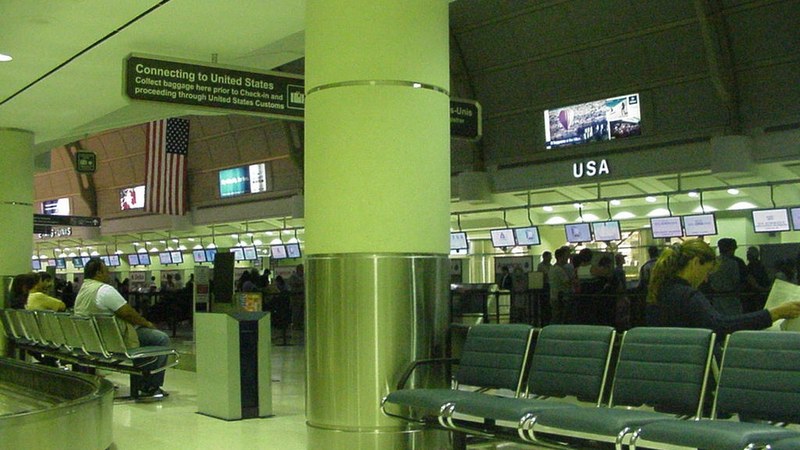
Passengers faced extensive delays, cancellations, and confusion at Calgary International Airport and Toronto Pearson. Flights such as a Calgary-to-Denver route were delayed over an hour before passengers were asked to deplane and rebooked for morning flights on November 14. Many travelers were informed to seek accommodations due to uncertain flight rescheduling. At Toronto Pearson, hundreds of U.S.-bound flights were canceled, and some passengers were stranded after U.S. customs processing was abruptly halted.
Nav Canada Confirms Normal Operations but Ongoing Delays Persist
Nav Canada, which operates Canada’s civil air navigation system, reported no direct impact
on its systems during the FAA ground stop and affirmed that Canadian air traffic was being managed safely and normally. Despite this, Canadian airports experienced ongoing delays as operations gradually returned to normal and flight backlogs were cleared.
Official Responses and Cause of the Ground Stop
Canadian Transport Minister Steven MacKinnon confirmed Canada was providing full assistance to the FAA, including accommodating U.S.-bound aircraft as needed, and was closely monitoring the situation. U.S. Department of Homeland Security Secretary Markwayne Mullin stated the outage was caused by a telecommunication failure and ruled out cyberattacks or terrorist involvement, emphasizing, “This isn’t a safety to the American people, or another 9/11.”
Wider Impact on International Flights and Ongoing Delays
The FAA ground stop disrupted not only direct Canada-U.S. flights but also international routes passing through U.S. airspace, affecting flights to the Caribbean and South America. Delays and cancellations persisted into the evening after the ground stop was lifted, with airports adjusting schedules and managing aircraft parking to handle disruptions. Calgary International rebooked affected passengers for flights starting 9 a.m. on November 14.
Passenger Experiences and Airport Support Measures
Toronto Pearson Airport increased staffing levels and deployed support teams, focusing on the U.S. departures terminal, while implementing an aircraft parking plan. A Toronto Pearson social media post stated: “Our support teams are being deployed throughout the
terminals, with additional resources available in the U.S. departures area. We are also working closely with airlines and have implemented a parking plan for aircraft.” Passengers such as Kelly Adenike expressed frustration over unclear communications regarding flight resumption times, saying, “Do they expect me to go home? Could they call it off soon? Maybe let us know if we can wait until midnight?” Another passenger, Samantha Chowen, described being stranded after her flight from Nashville to Toronto was canceled shortly after boarding due to the air traffic control issue.