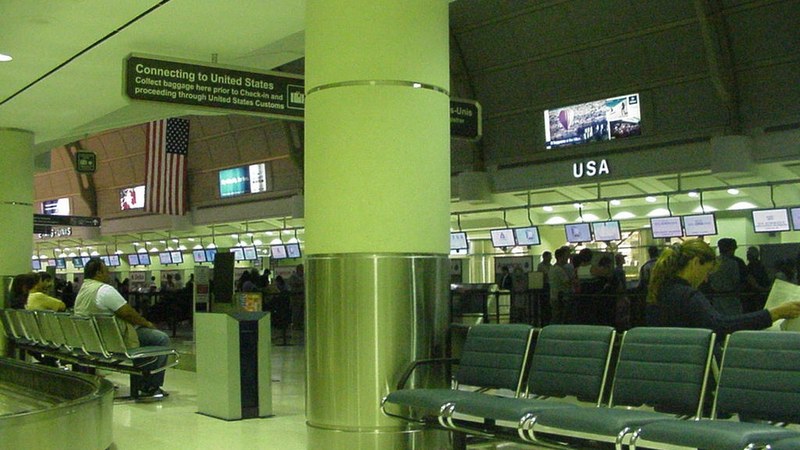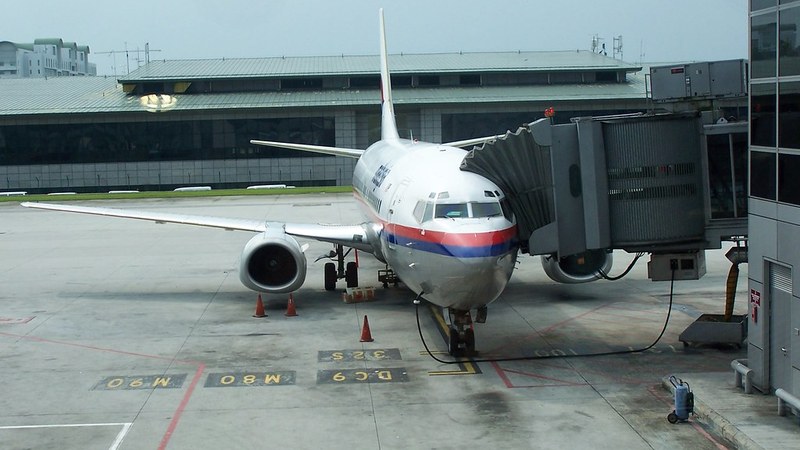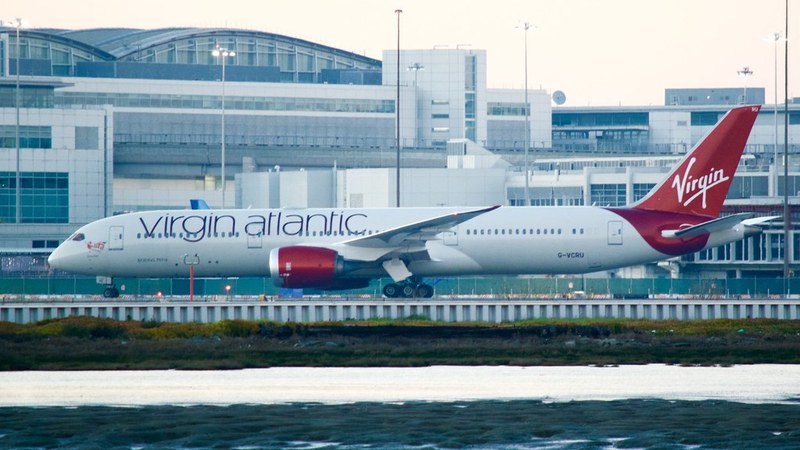
The Federal Aviation Administration (FAA) issued a nationwide ground stop on all departing flights across the United States on Friday, November 13, 2026, due to a telecommunications outage. The ground stop lasted approximately five hours and was lifted by 7:30 a.m. Eastern Time on Saturday, November 14, 2026, when U.S. airspace returned to normal operations, according to senior government sources.
Thousands of Flight Cancellations and Delays Recorded
Flight tracking service FlightAware reported over 3,800 flight cancellations and more than 2,000 delayed flights in the U.S. on Saturday, November 14. Delta Air Lines experienced the highest number of cancellations with 640 flights affected, followed by United Airlines with
530 cancellations and American Airlines with 488 cancellations.
Major Hubs Most Severely Impacted
Atlanta’s Hartsfield-Jackson International Airport, Chicago O’Hare International Airport, and New York’s John F. Kennedy International Airport recorded the largest volumes of cancellations on Saturday morning. Additional airports facing delays included Boston, Miami, Pittsburgh, Los Angeles, and Baltimore. Despite the resumption of normal airspace operations, airlines continue to face delays as they reposition crews and reschedule flights.
Outage Caused by Overloaded Legacy Routers
The FAA traced the outage to overloaded Cisco 600 series routers installed between 2001 and 2006 within its private air traffic control communications network known as the FAA Telecommunications Infrastructure (FTI). These routers began feeding out-of-sync
data packets into the system, causing static on voice communication lines and issues with controller displays. Transportation Secretary Sean Duffy explained the system was shut down to maintain safety after the routers started providing inconsistent information.
Officials Confirm No Cyberattack and Call for Modernization
Homeland Security Secretary Markwayne Mullin confirmed there was no evidence of a cyberattack or malicious activity linked to the outage and denied any connection to a simultaneous global Microsoft outage. The FAA has publicly urged Congress to approve emergency funding to replace and modernize the aging air traffic control system, citing the current network’s reliance on obsolete time-division multiplexing (TDM) technology. The contract for
operating the FTI network was awarded to Harris Corp. (now L3Harris) in 2002, but FAA sources expressed frustration over communication with the contractor during the incident.
Duffy emphasized the priority of safely returning travelers to their destinations as quickly as possible, stating: “Operations are slowly returning to normal this morning. Planes are pushing back, taxiing, and taking off, and it is safe to fly. We are in close coordination with the airlines to support the ongoing recovery.” He added that without congressional action to rebuild the system, similar outages are likely to recur.
Robert Sumwalt, former chair of the National
Transportation Safety Board, described the ground stop as “absolutely unprecedented,” noting the rarity of nationwide halts of this magnitude since the 9/11 ground stop and a shorter outage in 2023.