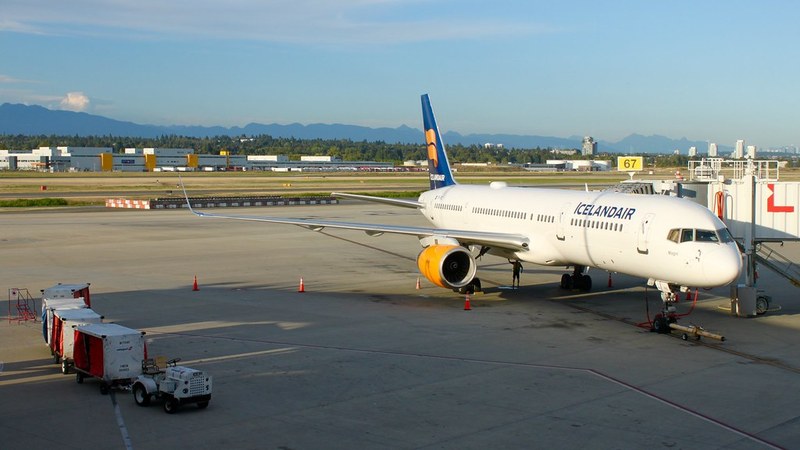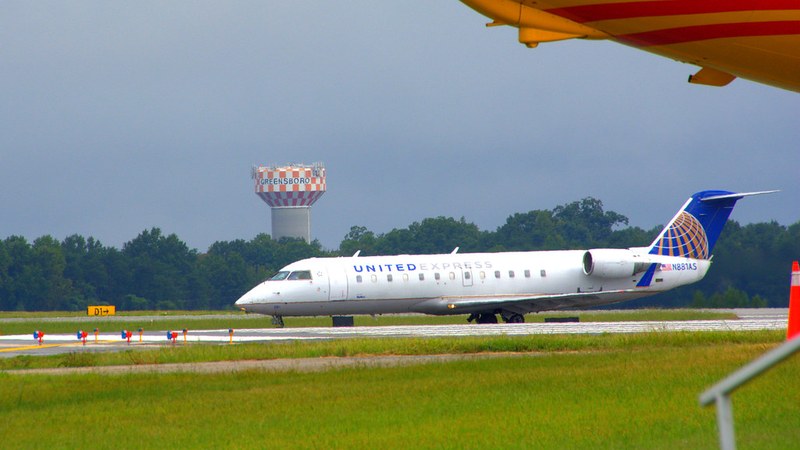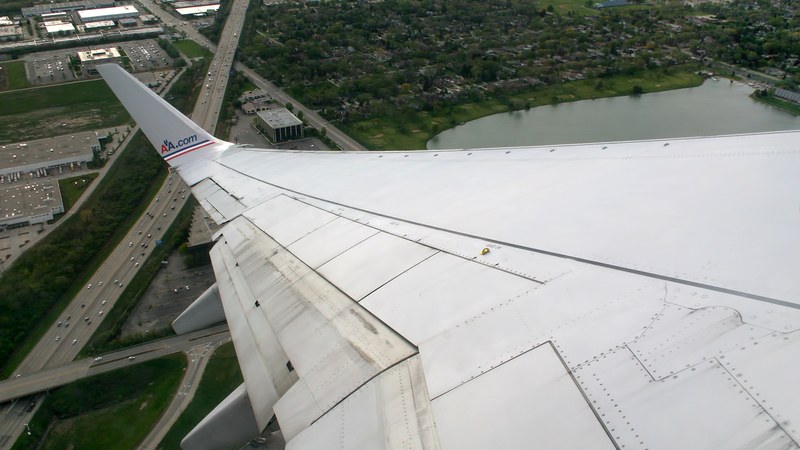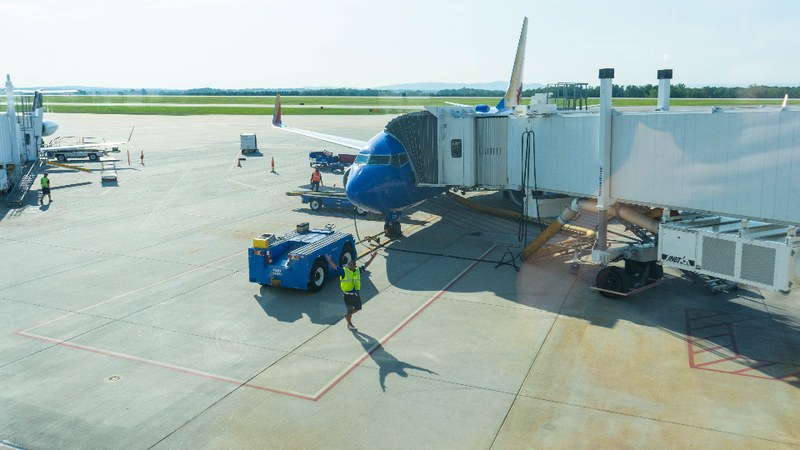
On November 13, 2026, the Federal Aviation Administration (FAA) implemented a rare nationwide ground stop that halted more than 11,000 flights scheduled to depart across the United States for over four hours. The ground stop began at 3:54 p.m. Eastern Time and was lifted at 8:15 p.m. ET the same day, impacting approximately 1.5 million passengers and 3,500 planes that were airborne when the stoppage commenced.
Aging Air Traffic Control Systems Cause Instability
Transportation Secretary Sean Duffy attributed the disruption to overloaded and outdated air traffic control telecommunications equipment. He explained that analog telecom switches and routers became overwhelmed with data, generating inconsistencies in radar and communication
data from multiple Air Route Traffic Control Centers and Terminal Radar Approach Control facilities. Duffy described the U.S. air traffic control system as “incredibly old,” emphasizing an urgent need for congressional funding to modernize the infrastructure and prevent future incidents. FAA officials have requested billions of dollars for this modernization effort.
Widespread Flight Disruptions and Airline Responses
The ground stop affected major U.S. airports including Chicago O’Hare, Midway, Newark Liberty International, John F. Kennedy, LaGuardia, and Orlando International. Over 1,322 flights were delayed and 268 were canceled nationwide, while about 600 flights were diverted, 104 of which were redirected to alternative airports. JetBlue Airways canceled the
remainder of its domestic flights for November 13, except European routes, and also canceled flights scheduled for November 14, 2026 to reposition crews and aircraft. Inbound international flights that departed from coastal hubs before 6 p.m. ET were managed on a case-by-case basis. Airports had to accommodate numerous grounded aircraft by managing parking space during the halted departures, and the disruptions forced extended delays even after the ground stop was lifted.
Rare Event Includes Previous Incidents and Follow-up
This was only the second nationwide ground stop since September 11, 2001; the first since January 2023, when the FAA’s NOTAM system failed. Previous regional disruptions included a Verizon
fiber cable cut in September affecting Newark and Philadelphia, and a 2025 equipment failure at Newark Liberty Airport. FAA and U.S. officials ruled out cyberattack as the cause, with Homeland Security Secretary Markwayne Mullin stating no evidence indicated malicious activity. AirSpace Intel and the FAA confirmed the recently deployed SMART AI system was not involved in the outage.
Official Statements and Lawmaker Reactions
Transportation Secretary Sean Duffy described the incident as an emergency requiring Congressional action and stated, “Our switches, our routers, actually got overloaded with data … and started to give us inconsistency in the data from those routers. And because of that, we
shut the system down.” Homeland Security Secretary Mullin said, “There’s nothing completely certain right now. It doesn’t appear that way,” regarding cyberattack suspicions. House Democratic leader Rep. Hakeem Jeffries called the outage an “unprecedented breakdown” demanding answers from the Trump Administration. Senator Tammy Duckworth emphasized the need to maintain safety through redundancies and called for a thorough investigation. Senate Transportation Committee Ranking Member Maria Cantwell reported ongoing communications with the FAA concerning technology and frequency issues affecting air traffic control. Officials expect delays and cancellations to continue into the weekend as recovery efforts proceed.