The Federal Aviation Administration (FAA) enforced a rare nationwide ground stop on the night of November 13, 2026, due to communications failures affecting all Air Route Traffic Control Centers. The ground stop was lifted at approximately 7:30 p.m. Central time but caused widespread flight disruptions nationwide.
Flight Delays and Cancellations at Chicago O’Hare and Midway
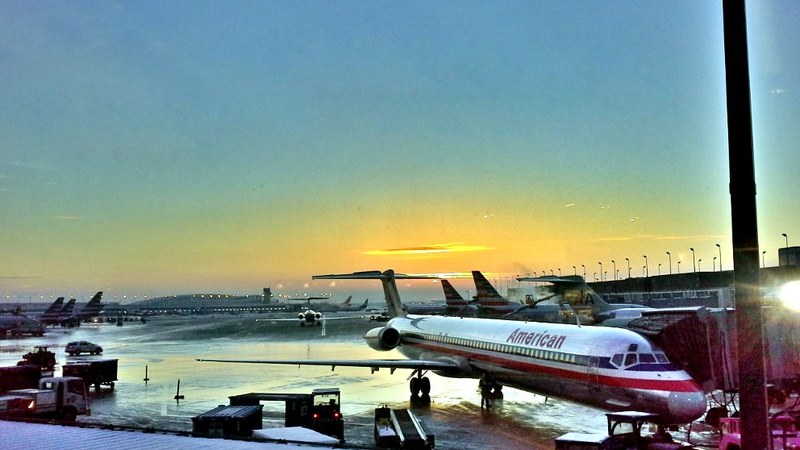
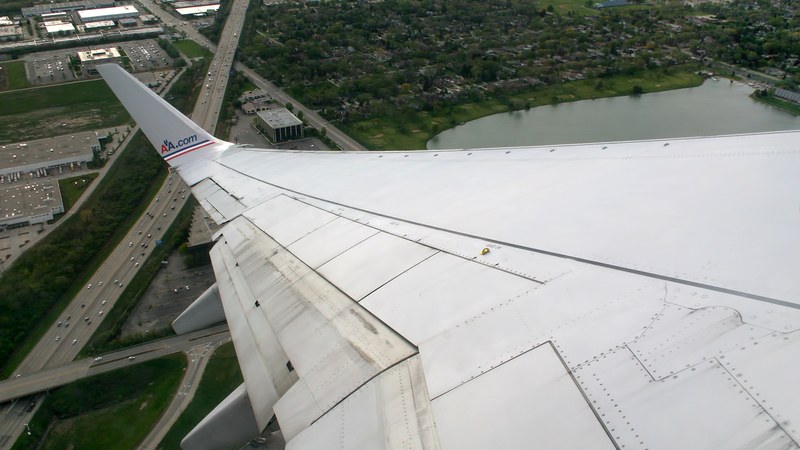
Following the lifting of the ground stop, Chicago O’Hare International Airport and Chicago Midway International Airport continued to experience significant flight disruptions. By 9:30 p.m., nearly 900 flights were delayed and more than 800 flights canceled across the two airports, with most cancellations occurring at O’Hare.
Passengers inside O’Hare terminals, particularly Terminal 3, faced
overcrowding and operational challenges described as “chaos.” Security lines were mostly empty, but gate areas were congested as travelers sought information amid the disruption.
Airline Responses and Recovery Efforts
United Airlines announced the resumption of some flights, including planned departures on the evening of November 13, but acknowledged a substantial number of cancellations. The airline offered travel waivers allowing customers to modify weekend travel plans due to ongoing disruptions expected into Saturday.
American Airlines prioritized operating remaining flights, focusing on routes to non-hub cities and international destinations to facilitate recovery. The carrier warned of residual delays and cancellations into the following days as operations stabilize.
Traveler Impact and Terminal Conditions
Passengers at Chicago airports experienced delays extending for hours. Among them, 44-year-old Pankti Patel was stranded at O’Hare’s Terminal 3, missing a critical reunion trip to Napa Valley with her sister scheduled for November 13. Patel’s flight, originally set to depart at 1:30 p.m., was delayed repeatedly, leading to emotional distress.
Another traveler, 29-year-old Danitra Haynes, who had been attending a work conference in Chicago, faced a flight delay of at least two hours on November 13 while awaiting departure to Los Angeles.
Passengers reported confusion and inconsistent information regarding the cause and duration of delays. Shawntell Sharrock, a passenger
in Terminal 3, described the area as “chaos” with no “solidified, same answer from anyone.”
Official Statements and Ongoing Investigation
The FAA stated the ground stop was implemented “due to extraordinary circumstances and for reasons of safety.” Secretary of Homeland Security Markwayne Mullin attributed the incident to a telecommunications outage impacting Air Route Traffic Control Centers, explicitly denying any connection to cyberattacks. He said, “this was a nefarious attack against us. It’s just a telecommunications outage.” He also assured safety measures were in place and passengers should not be concerned for those traveling.
U.S. Senator Tammy Duckworth, serving as Aviation Subcommittee Ranking Member, demanded a
thorough FAA investigation into the cause of the disruption.
Investigators are examining any potential links to the FAA’s nationwide rollout of a new artificial intelligence system designed to identify issues and assist with flight rerouting, though the system operates out of a single facility near Washington, D.C.
FAA Technology Modernization and Previous Incidents
The FAA is engaged in a multi-billion-dollar effort to modernize aging air traffic control infrastructure. Congress approved $12.5 billion last year for upgrades, including replacing outdated copper wiring with fiber optic lines and improving radio systems. However, additional funding of approximately $30 billion is projected as necessary to complete the modernization.
The telecommunications
failure follows a similar regional communication outage in the Northeast in September 2026 that disrupted hundreds of flights. Industry experts suggest that reliance on obsolete technology may have contributed to the nationwide communication breakdown necessitating the ground stop.
Steve Arroyo, an aviation safety analyst and former United Airlines pilot, noted the critical need for reliable communications, stating, “If you don’t have that ability, whether it’s because the old wires that they have are just run down or for whatever reason, you’ve got to stop airplanes on the ground. And not put them in the air where you’re going to risk
not being able to communicate with them.”