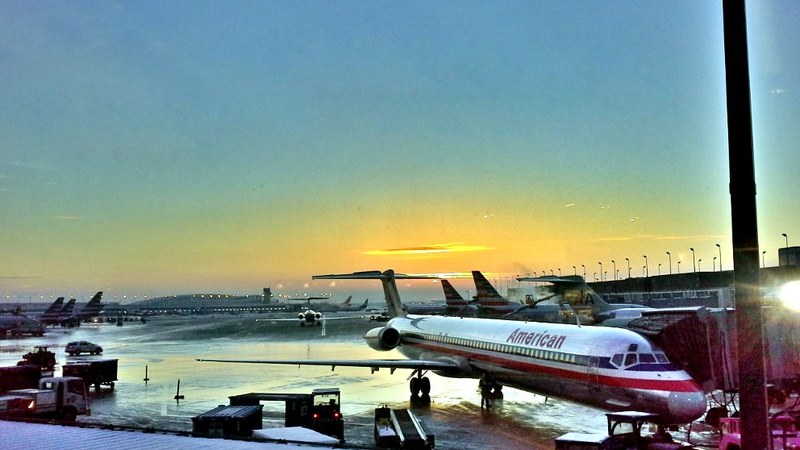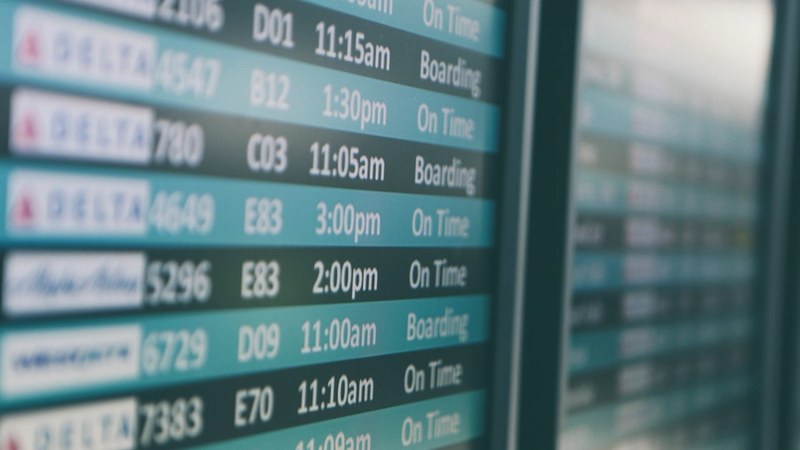
The Federal Aviation Administration (FAA) issued a nationwide ground stop affecting all departing flights in the United States on November 13, 2026, following a telecommunications outage at regional air traffic control centers. The ground stop, which began after instability was detected at 3:36 p.m. ET, was lifted by November 14, but delays and cancellations remain as flight operations gradually normalize.
Impact on Canadian Airports
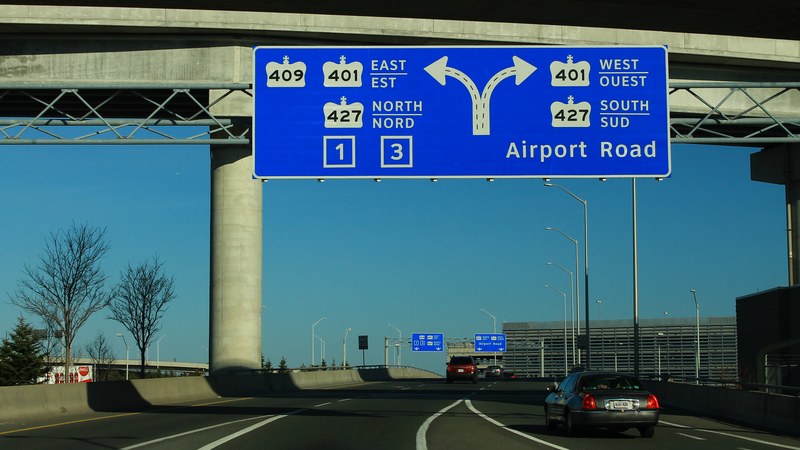
Major Canadian airports experienced disruptions due to the FAA ground stop that halted departures in the U.S. and airspace control issues affecting U.S.-bound flights. Toronto Pearson International Airport and Montréal-Trudeau International Airport faced numerous flight cancellations and delays. Ottawa International
Airport canceled flights to U.S. cities such as Boston, and at least two flights returning to Ottawa turned back mid-flight after reaching states like South Carolina or North Carolina.
Other impacted Canadian airports included Vancouver International Airport (YVR), Calgary International Airport (YYC), Edmonton International Airport (YYG), Saskatoon, and Regina. Calgary Airport halted all U.S.-bound departures during the FAA ground stop, while Edmonton was monitoring the situation in coordination with airline partners. NAV CANADA, Canada’s civil air navigation operator, acknowledged ongoing delays as it manages air traffic safely and efficiently amid recovery efforts.
Official Responses and Cause of Disruption
The FAA attributed the nationwide ground stop to
a telecommunications outage that disrupted radar and communications systems essential to air traffic control centers nationwide. FAA technicians actively investigated the issue during and after the event. Transportation Secretary Sean Duffy emphasized the role of aging U.S. air traffic control infrastructure, calling on Congress for emergency funding to accelerate system modernization. He stated, “I want Congress to give us emergency funding” to rebuild the system.
The Department of Homeland Security, led by Secretary Markwayne Mullin, confirmed there was no indication the outage was caused by a cyberattack or malicious act. Mullin dismissed public safety concerns, saying, “There’s no reason for
the public to be afraid or scared for your loved ones. This isn’t another 9/11.” He added that no lives were at risk during the disruption and clarified that the event was unrelated to a recent global Microsoft Outlook outage.
A spokesperson for Air Space Intel, provider of the AI-based Strategic Management of Airspace, Routes and Trajectories (SMART) air traffic control system, denied any connection to the ground stop, stating, “The ground stop is not based on or a result of the SMART system, any product of AI or our integration with FAA and ATC.” The Canadian Minister of Transportation,
Steven MacKinnon, confirmed that the federal government maintains contact with NAV CANADA as the situation is monitored.
Traveler Impact and Continuing Delays
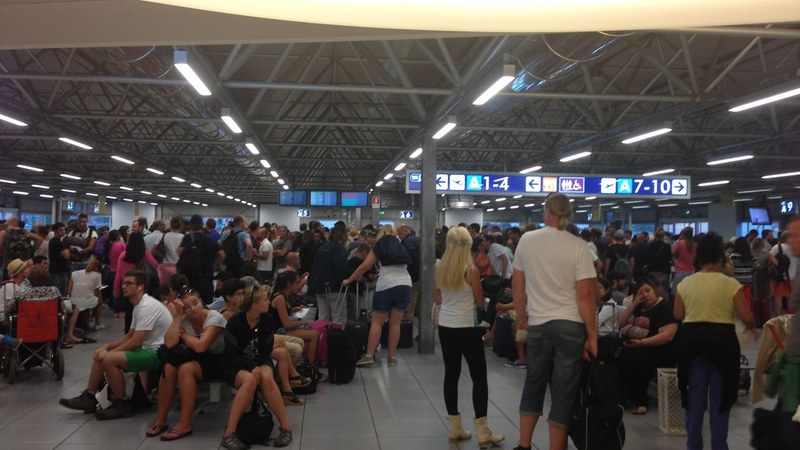
The ground stop disrupted thousands of flights between the U.S. and Canada as well as international routes crossing U.S. airspace. Passengers experienced cancellations, diversions, and long delays while awaiting information. In Ottawa, flights to Boston were canceled and two U.S.-bound flights that had already departed were redirected back to Canada. Toronto Pearson temporarily had no scheduled departures or arrivals to the U.S. during the stoppage, while Vancouver dealt with delays on U.S.-bound and international flights traversing American airspace.
Travelers are advised to anticipate
ongoing delays and cancellations as both U.S. and Canadian air traffic control operations restore normal function following the incident. NAV CANADA cautioned that delays may persist as the system returns to full efficiency, noting, “NAV CANADA will continue to ensure that air traffic remains safe and efficient in Canadian airspace. Some delays may persist as operations return to normal.”
Historical Context and Funding Efforts
This episode marks the third nationwide ground stop in U.S. aviation history, following the shutdowns on September 11, 2001, and in January 2023. The FAA has been contending with aging infrastructure, equipment failures, communications problems, and air traffic controller shortages. In
2025, Congress approved $12.5 billion to overhaul air traffic control systems. On November 13, 2026, alongside dealing with the outage, the FAA and White House requested an additional $30.1 billion in emergency funding to accelerate modernization efforts.
The FAA’s November 13 ground stop initially affected specific hubs with a temporary hold on flights in places like Chicago before expanding nationwide. The agency stated, “All departing traffic should remain groundstopped until further notice,” managing international flights individually to mitigate disruption.
Investigation and System Modernization
The Department of Homeland Security is conducting a full investigation into all potential causes of the telecommunications outage, while emphasizing no
public safety threats were present. Secretary Mullin stated, “There is no indication, as of yet, that this was a nefarious attack against us. It’s just a telecommunication outage as of right now.” FEMA activated support centers to work with airports, cities, and states to assist affected passengers including those needing medication.
The FAA continues to pursue modernization of its air traffic control infrastructure, leveraging congressional appropriations and requesting additional funding. The incident highlighted existing vulnerabilities in U.S. air traffic systems, impacting both domestic and international travel, including Canadian routes traversing U.S. airspace.